In modern industrial automation and precision measurement, laser sensor aluminum sheets have emerged as a critical component, offering unparalleled accuracy, durability, and efficiency. These specialized sheets are engineered to interact seamlessly with laser sensors, which are widely used for tasks such as distance measurement, object detection, surface profiling, and alignment in manufacturing, robotics, and quality control systems. The unique properties of aluminum make it an ideal material for these applications, combining lightweight characteristics with excellent reflectivity, thermal stability, and corrosion resistance.
The core functionality of laser sensor aluminum sheets lies in their surface treatment and coating technologies. Typically, these sheets undergo precise anodizing or polishing processes to enhance their reflectivity to laser beams. This ensures consistent signal return to the sensor, minimizing errors and improving measurement reliability. For instance, in high-speed production lines, even minor deviations can lead to significant defects; thus, the use of optimized aluminum sheets helps maintain tight tolerances, often within micrometer ranges. Moreover, aluminum's natural oxide layer provides a protective barrier against environmental factors like humidity, dust, and chemical exposure, extending the lifespan of both the sheet and the sensor system.
From a technical perspective, the selection of aluminum alloys—such as 6061 or 5052—plays a pivotal role. These alloys offer a balance of strength, machinability, and cost-effectiveness, allowing for customization into various shapes and sizes to fit specific sensor setups. Engineers often integrate these sheets into calibration targets, reference plates, or mounting fixtures, ensuring stable performance under dynamic conditions. For example, in automotive assembly, laser sensors paired with aluminum sheets are used to verify component positioning, while in semiconductor manufacturing, they aid in wafer alignment with extreme precision.
Recent advancements have further expanded the capabilities of laser sensor aluminum sheets. Innovations include nanostructured coatings that boost reflectivity across different laser wavelengths, from visible to infrared spectra. Additionally, the development of lightweight, flexible aluminum composites enables integration into curved or moving surfaces, broadening applications in aerospace and medical devices. As industries increasingly adopt Industry 4.0 and IoT frameworks, these sheets are becoming integral to smart sensor networks, facilitating real-time data acquisition and predictive maintenance.
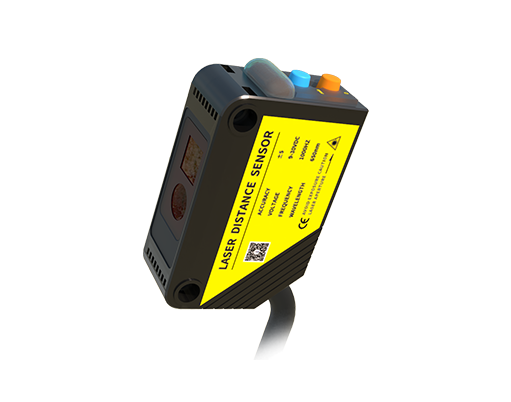
Despite their advantages, challenges such as thermal expansion and surface degradation over time must be addressed through rigorous testing and material science research. Best practices involve regular calibration using certified aluminum standards and adherence to international norms like ISO 9001 for quality assurance. Looking ahead, trends point toward eco-friendly recycling of aluminum sheets and AI-driven optimization of sensor interactions, promising even greater efficiency and sustainability. In summary, laser sensor aluminum sheets represent a fusion of material engineering and sensory technology, driving innovation across diverse sectors by enabling precise, reliable, and scalable measurement solutions.