In the realm of industrial automation and electrical control systems, the terms "sensor" and "proximity switch" are often used, sometimes interchangeably, leading to confusion among professionals and newcomers alike. While both devices play crucial roles in detecting and measuring physical parameters, they differ fundamentally in their operational principles, applications, and functionalities. Understanding these distinctions is essential for selecting the right component to optimize system performance, enhance safety, and reduce costs in electrical engineering projects.
A sensor is a broad category of devices that detect changes in physical or environmental conditions and convert them into measurable signals, typically electrical outputs. Sensors encompass a wide range of technologies, including temperature sensors, pressure sensors, optical sensors, and motion sensors. They are designed to provide continuous or discrete data about variables such as distance, speed, humidity, or light intensity. For instance, a temperature sensor in a manufacturing plant might monitor heat levels in real-time, sending analog signals to a control unit for process adjustment. Sensors often integrate with complex systems like PLCs (Programmable Logic Controllers) or IoT (Internet of Things) networks, enabling data-driven decision-making and automation. Their outputs can be analog (e.g., 4-20 mA current loops) or digital (e.g., pulse signals), depending on the application requirements.
In contrast, a proximity switch is a specific type of sensor that detects the presence or absence of an object within a defined range without physical contact. It operates based on electromagnetic, capacitive, or inductive principles, making it ideal for harsh environments where durability and reliability are paramount. For example, an inductive proximity switch uses a magnetic field to sense metallic objects, triggering a binary output (ON/OFF) when the object enters its detection zone. Proximity switches are commonly used in applications like position sensing, object counting, or limit switching in machinery. They are valued for their fast response times, resistance to environmental factors like dust or moisture, and simple integration into control circuits. Unlike general sensors, proximity switches typically provide discrete digital signals, acting as switches to control relays, motors, or other electrical components.
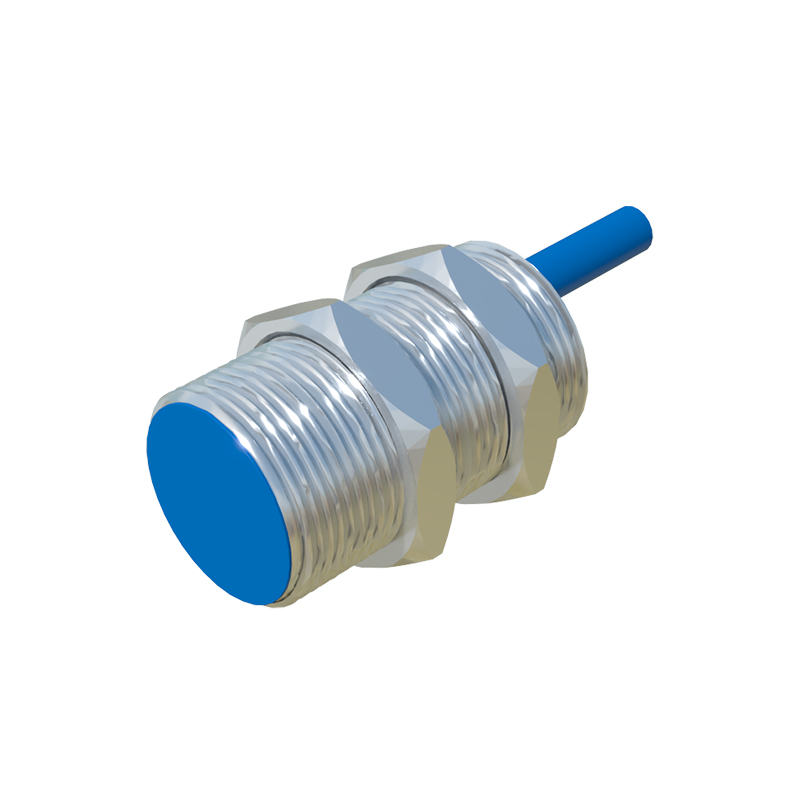
The key differences between sensors and proximity switches lie in their scope and functionality. Sensors are versatile tools for measurement and monitoring, offering detailed insights into various parameters. They can be analog or digital, with outputs that may require further processing for interpretation. Proximity switches, however, are specialized for detection tasks, focusing on binary outcomes—whether an object is present or not. This makes them simpler in design but highly effective for specific automation roles. In terms of applications, sensors are found in diverse fields from healthcare to automotive systems, while proximity switches are predominantly used in industrial settings for machine safety, assembly lines, and material handling.
For electrical engineers, choosing between a sensor and a proximity switch depends on the project's needs. If the goal is to gather continuous data for analysis or control, such as monitoring pressure in a hydraulic system, a sensor is appropriate. Conversely, for tasks like detecting a metal part on a conveyor belt to activate a robotic arm, a proximity switch suffices due to its robustness and straightforward operation. Cost considerations also play a role: sensors tend to be more expensive due to their complexity, while proximity switches offer a cost-effective solution for basic detection needs.
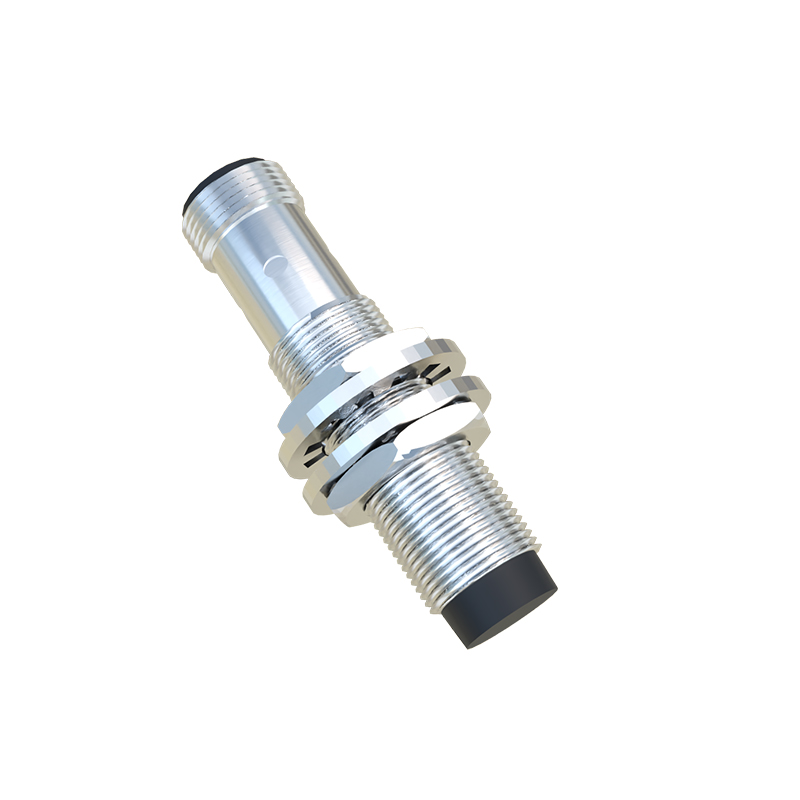
In summary, while all proximity switches can be classified as sensors, not all sensors are proximity switches. The distinction highlights the importance of precision in electrical engineering terminology and component selection. By leveraging sensors for comprehensive measurement and proximity switches for reliable object detection, engineers can build efficient, safe, and innovative systems that meet modern industrial demands. As technology advances, both devices continue to evolve, with smart sensors incorporating proximity features and proximity switches enhancing sensitivity, blurring lines but reinforcing their complementary roles in automation.