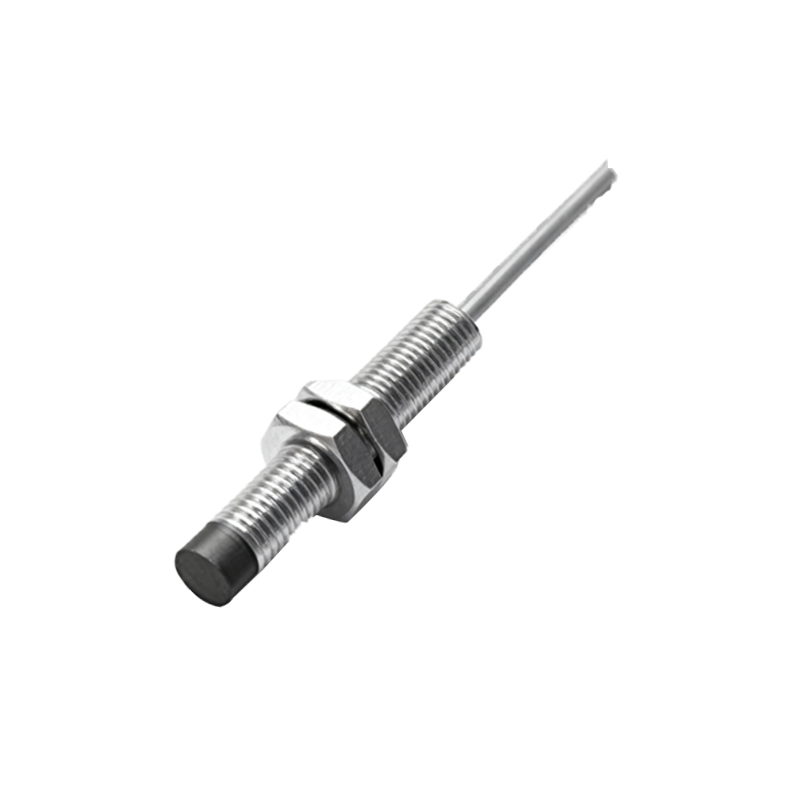
In the demanding environments of modern industrial automation, the reliability and durability of sensing components are paramount. Waterproof proximity sensors have emerged as critical devices, enabling precise object detection and process control in conditions where moisture, dust, and chemical exposure would incapacitate standard sensors. These robust sensors are engineered to withstand harsh settings, from food and beverage processing plants with high-pressure washdowns to outdoor mining operations and marine applications.
The core technology behind waterproof proximity sensors involves creating a hermetically sealed housing, typically using materials like stainless steel (often grade 316L for superior corrosion resistance) or ruggedized plastics such as PBT or PPS. This sealing, often rated by Ingress Protection (IP) codes like IP67, IP68, or IP69K, prevents water and other contaminants from reaching the sensitive internal electronics. The sensing principle itself remains largely unchanged—inductive sensors detect metallic objects, capacitive sensors detect both metallic and non-metallic materials, and ultrasonic sensors use sound waves for detection. The key innovation lies in encapsulating the oscillator coil, amplifier, and output circuitry within this impervious shell without degrading performance.
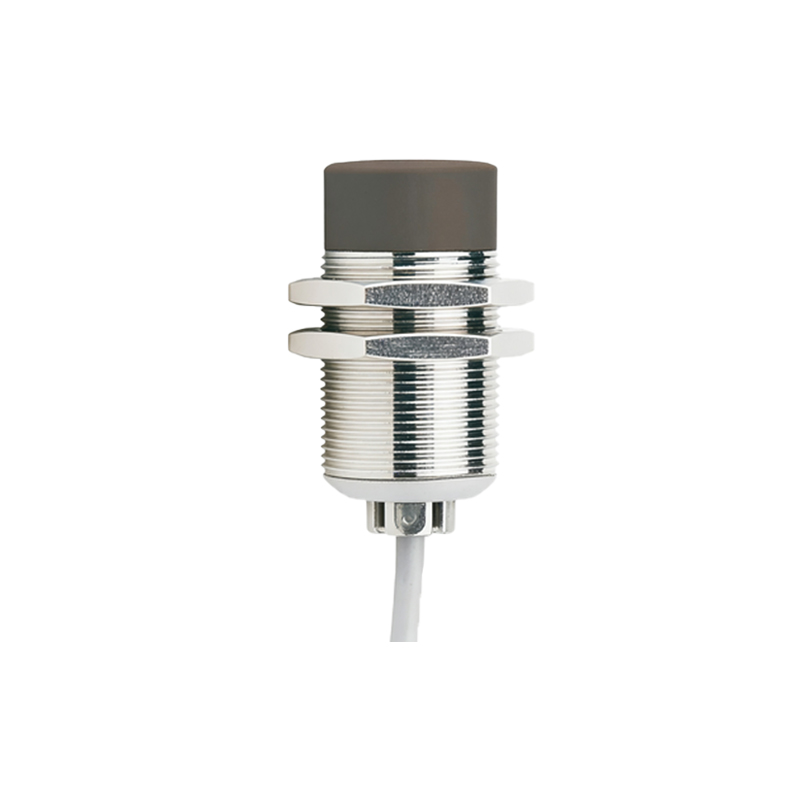
Selecting the right waterproof proximity sensor requires careful consideration of several technical parameters. The IP rating is the primary indicator of environmental resilience. An IP67 rating guarantees protection against temporary immersion, while IP68 and IP69K ratings ensure prolonged submersion and resistance to high-pressure, high-temperature jet sprays, respectively. Other vital specifications include the sensing distance, which can be affected by the sensor's face material, the operating voltage range (commonly 10-30V DC or 20-250V AC), output type (PNP/NPN transistor, analog, or IO-Link), and response frequency. For instance, in a bottling line, a fast-response, IP69K-rated inductive sensor is crucial for counting cans under a constant barrage of cleaning fluids.
The applications are vast and varied. In the automotive industry, waterproof sensors reliably perform in welding and painting robots exposed to coolants and sprays. In agricultural machinery, they monitor positions and rotations despite mud and rain. Within water treatment facilities, they control pump levels and valve positions. A significant advantage is the reduction in machine downtime and maintenance costs. By preventing sensor failure due to environmental factors, plants achieve higher Overall Equipment Effectiveness (OEE). Furthermore, modern designs often incorporate features like built-in diagnostics, indicated by LED status lights visible through the housing, which facilitate quick troubleshooting.
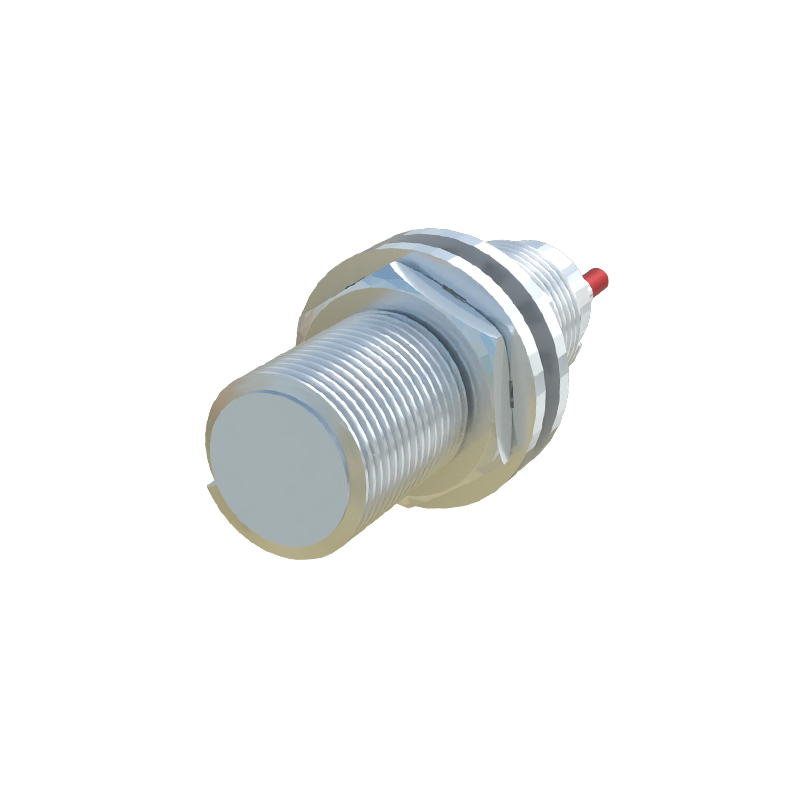
Installation and maintenance, while straightforward, demand attention to detail to preserve the sensor's integrity. It is essential to ensure that the cable gland or connector (typically M8 or M12) is properly tightened according to the manufacturer's torque specifications. The sensing face must be kept clean of persistent buildup, such as grease or scale, which can attenuate the sensing field. While the body is waterproof, repeated physical impact or extreme thermal cycling can compromise seals. Therefore, routine inspections are recommended as part of a predictive maintenance schedule.
Looking ahead, the integration of Industry 4.0 is shaping the next generation of waterproof proximity sensors. Sensors with IO-Link digital communication not only provide a switching signal but also transmit rich parametric data—such as temperature readings, signal strength, and operating hours—to a central controller. This enables condition monitoring and predictive maintenance, alerting operators to potential issues before they cause a line stoppage. The fusion of robust physical design with smart digital functionality is setting a new standard for reliability and intelligence in industrial sensing.
In conclusion, waterproof proximity sensors are not merely optional upgrades but fundamental enablers for automation in wet, dirty, or corrosive environments. Their advanced sealing technologies and evolving smart features ensure operational continuity, safety, and efficiency. For engineers and system integrators, specifying sensors with the appropriate IP rating and technical characteristics for the specific application is a critical step in building resilient and productive industrial systems.