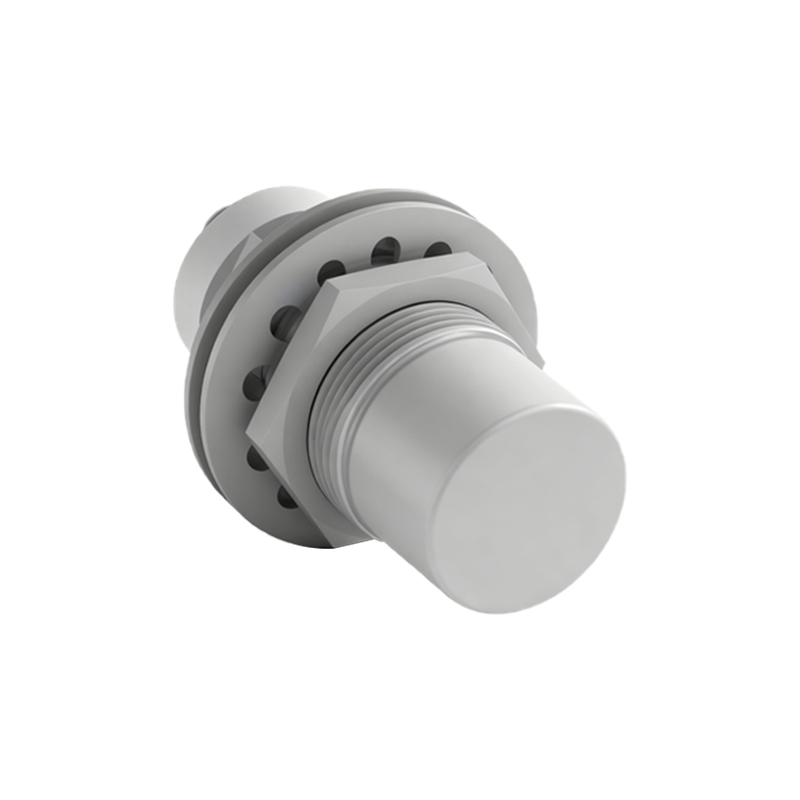
In the rapidly evolving landscape of industrial automation and smart manufacturing, proximity sensors have emerged as critical components for enabling precise, non-contact detection of objects. These devices, which include inductive, capacitive, ultrasonic, and photoelectric types, are fundamental to applications ranging from assembly lines and robotics to automotive safety and consumer electronics. The global market for proximity sensors is highly competitive, with technological prowess, manufacturing scale, and innovation ecosystems determining the rankings of leading nations. This analysis provides an objective, engineer-focused overview of the top-performing countries in proximity sensor technology, based on factors such as market share, R&D output, product reliability, and integration into advanced industrial systems.
At the forefront is Germany, renowned for its engineering excellence and robust industrial base. German manufacturers, such as Siemens, Balluff, and Pepperl+Fuchs, dominate the high-end segment with sensors known for exceptional accuracy, durability, and compatibility with Industry 4.0 frameworks. German proximity sensors are integral to precision machinery, automotive manufacturing, and pharmaceutical automation, often setting global standards for performance. The country’s emphasis on research in materials science and signal processing further solidifies its leadership, making it a benchmark for quality in inductive and capacitive sensor technologies.
Following closely is Japan, a powerhouse in electronics and miniaturization. Japanese firms like Omron, Keyence, and Panasonic excel in producing compact, high-speed photoelectric and ultrasonic sensors that are essential for electronics assembly and robotics. Japan’s strength lies in its ability to innovate in harsh-environment applications and its focus on energy-efficient designs. The integration of proximity sensors into consumer devices, automotive systems, and semiconductor manufacturing highlights Japan’s role in driving miniaturization and reliability, with a strong export presence across Asia and North America.
The United States ranks highly due to its innovation-driven market and defense and aerospace applications. Companies such as Honeywell, Rockwell Automation, and Banner Engineering lead in developing specialized sensors for rugged industrial environments and smart infrastructure. U.S. advancements in IoT-enabled proximity sensors, which incorporate wireless connectivity and data analytics, are shaping trends in predictive maintenance and industrial IoT. While facing cost competition, the U.S. maintains an edge in R&D, particularly in ultrasonic and capacitive sensing for automotive and aerospace sectors.
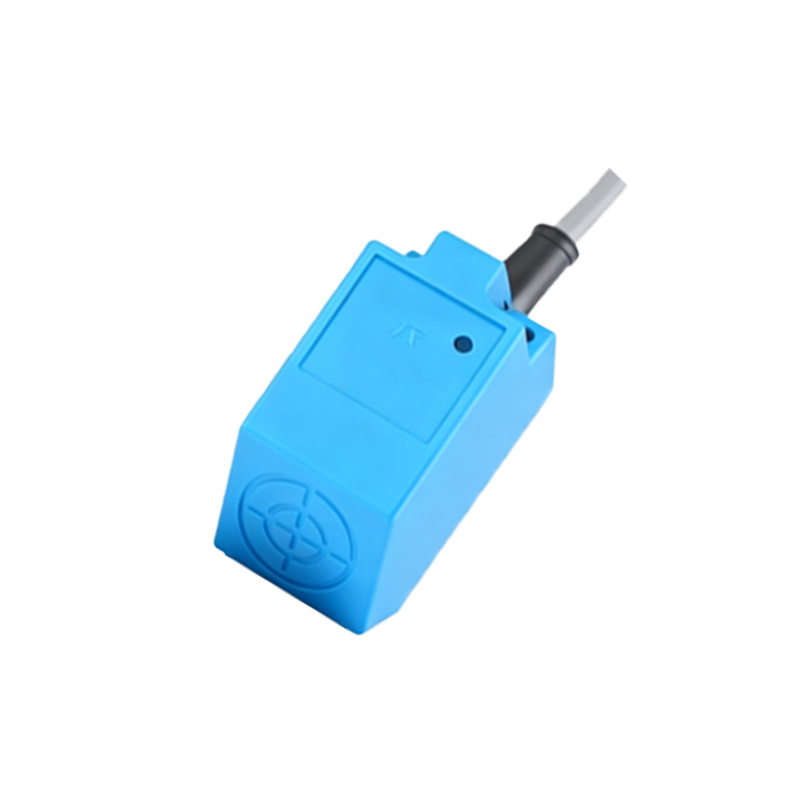
South Korea has risen as a key player, leveraging its semiconductor and display manufacturing expertise. Korean brands like Autonics and Samsung Electro-Mechanics produce cost-effective, high-performance sensors widely used in consumer electronics and automotive components. The country’s focus on photoelectric and inductive sensors for automation in display and battery production lines has fueled its growth, supported by strong government investments in smart factory initiatives.
China’s rapid ascent is notable, driven by massive manufacturing scale and growing technological capabilities. Chinese manufacturers, including IFM Electronic (though German-origin, with local production) and domestic firms like Shanghai Lanbao, offer competitive pricing and expanding product ranges. While historically focused on lower-cost inductive sensors, China is increasingly investing in R&D for advanced photoelectric and ultrasonic types, aiming to move up the value chain in global supply chains for automotive and industrial robotics.
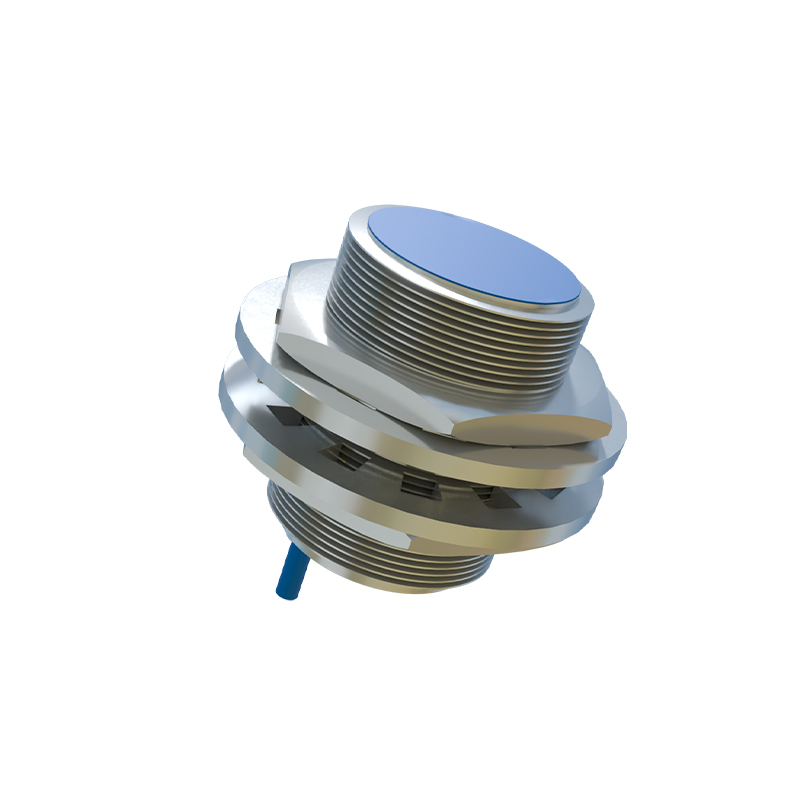
Other significant contributors include Switzerland, known for high-precision sensor applications in watchmaking and medical devices, and Italy, with strengths in automotive and packaging machinery sensors. Emerging economies like Taiwan and Singapore are also gaining traction in niche segments, particularly in electronics manufacturing.
The global ranking reflects a dynamic interplay of quality, innovation, and cost. Germany and Japan lead in premium, high-reliability sensors, while the U.S. excels in cutting-edge IoT integration. South Korea and China are pivotal for mass-market applications, with China’s growth posing a potential shift in future rankings. For engineers, selecting proximity sensors often involves balancing technical specifications—such as sensing distance, response time, and environmental resistance—with supply chain considerations. As industries advance toward greater automation and digitalization, proximity sensor technology will continue to evolve, with nations competing on innovation in materials, energy efficiency, and smart connectivity. This landscape underscores the importance of continuous R&D and adaptation to maintain competitive advantage in a critical field of industrial automation.