In the realm of industrial automation and control systems, photoelectric proximity sensors stand as pivotal components for non-contact detection. Among these, NPN-type photoelectric sensors are widely utilized due to their compatibility with various control circuits. This article delves into the operational principles, configurations, applications, and selection criteria for NPN photoelectric proximity sensors, providing a thorough technical overview for engineers and industry professionals.
Photoelectric proximity sensors function by emitting a light beam—typically infrared, visible red, or laser—and detecting changes in the received light intensity caused by the presence or absence of a target object. The core components include an emitter (light source), a receiver (phototransistor or photodiode), and signal processing circuitry. NPN sensors, in particular, refer to the transistor output type where the output terminal switches to a low voltage (sinks current) when activated. This is in contrast to PNP sensors, which source current. The NPN designation originates from the internal use of an NPN bipolar junction transistor at the output stage. When the sensor detects an object, the transistor saturates, connecting the output line to the common ground (0V), thereby allowing current to flow into the sensor's output from the load.
There are three primary sensing modes: through-beam, retro-reflective, and diffuse reflective. Through-beam sensors consist of separate emitter and receiver units placed opposite each other; detection occurs when the object interrupts the light beam. Retro-reflective sensors employ a combined emitter and receiver unit alongside a reflector; the object is detected by breaking the reflected beam. Diffuse reflective sensors have the emitter and receiver in one housing, relying on light reflected directly from the target. Each mode suits specific applications based on sensing distance, environmental conditions, and target characteristics.
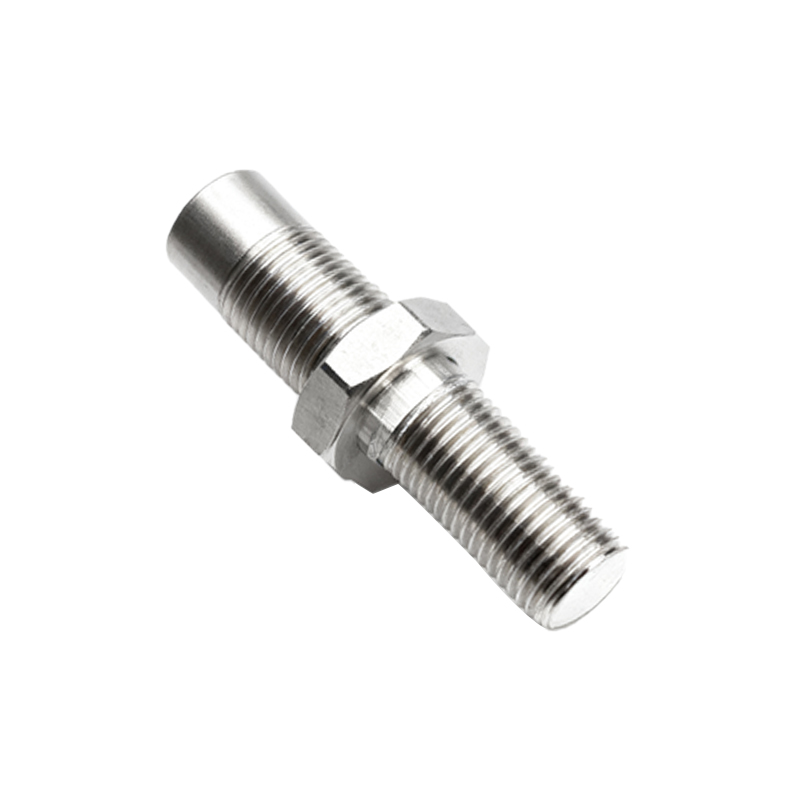
The wiring and interfacing of NPN sensors are critical for proper integration. Typically, an NPN sensor has three wires: brown for positive supply voltage (often 10-30V DC), blue for common ground (0V), and black for the output signal. In a standard setup, the load (e.g., a PLC input, relay, or indicator) is connected between the positive supply and the sensor's black output wire. When no object is detected, the output transistor is off, and the output remains high impedance. Upon detection, the transistor turns on, pulling the output voltage low toward ground, thus completing the circuit and activating the load. This "sinking" configuration is prevalent in many regions and control systems, especially where negative logic is preferred.
Key advantages of NPN photoelectric sensors include their resilience to electrical noise, lower power consumption in certain setups, and seamless integration with microcontroller-based systems and PLCs that accept sinking inputs. They are commonly employed in packaging machinery, material handling, assembly lines, and safety systems. For instance, in conveyor systems, NPN sensors can detect product presence, count items, or position objects accurately without physical contact, reducing wear and maintenance.
When selecting an NPN photoelectric sensor, engineers must consider several parameters. Sensing range, which varies from a few millimeters to several meters, should match the application's distance requirements. The response time, typically in milliseconds, affects the system's speed capability. Environmental factors like ambient light, dust, moisture, and temperature necessitate enclosures with appropriate IP ratings. Additionally, the target's size, color, material, and surface finish influence the sensor's performance; dark or absorbent materials may require sensors with background suppression or higher light intensity.
Installation and alignment are straightforward but demand attention. Ensure stable mounting to minimize vibration effects, and align the emitter and receiver precisely for through-beam and retro-reflective types. For diffuse sensors, maintain the recommended operating distance. Regular maintenance involves cleaning lenses to prevent false triggers from dirt accumulation and verifying electrical connections.
In summary, NPN photoelectric proximity sensors offer reliable, versatile, and efficient solutions for object detection in automated environments. Understanding their working principles, wiring schemes, and application-specific considerations enables optimal implementation, enhancing system reliability and productivity. As technology advances, features like IO-Link communication, enhanced sensing algorithms, and compact designs continue to evolve, further expanding their utility in smart factories and Industry 4.0 initiatives.