Metal proximity sensors are indispensable components in modern industrial automation, enabling non-contact detection of metallic objects with high precision and reliability. These sensors operate on various principles, each suited to specific applications and environmental conditions. Understanding the different types of metal proximity sensors is crucial for engineers and technicians to optimize system performance, enhance safety, and reduce maintenance costs.
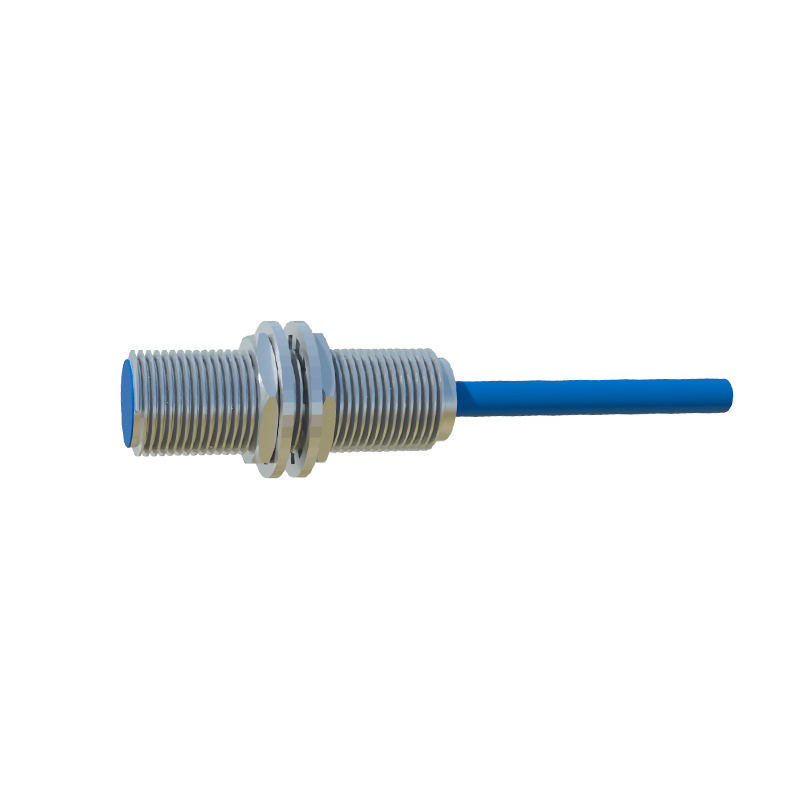
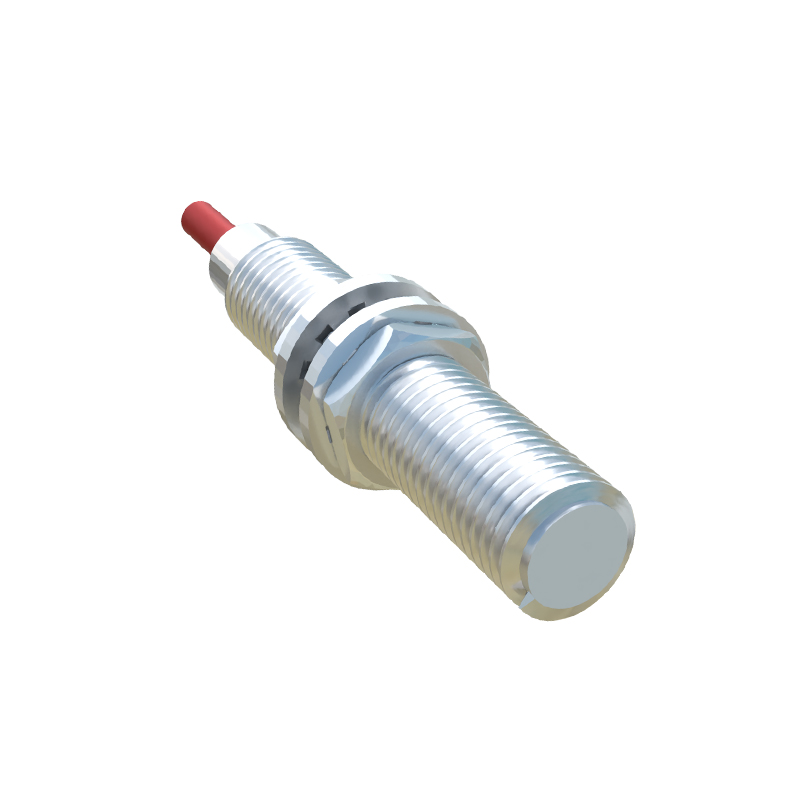
Inductive proximity sensors are among the most common types used in industrial settings. They generate an electromagnetic field and detect changes caused by metallic objects entering this field. Typically, these sensors are effective for detecting ferrous metals like iron and steel, with sensing ranges varying from a few millimeters to several centimeters. Key advantages include robustness, resistance to environmental factors such as dust or moisture, and fast response times, making them ideal for applications like conveyor belt monitoring, machine tool positioning, and assembly line automation. However, their sensitivity may decrease with non-ferrous metals, requiring careful selection based on material properties.
Capacitive proximity sensors offer broader detection capabilities, as they can sense both metallic and non-metallic objects by measuring changes in capacitance. When a metal object approaches the sensor, it alters the dielectric constant of the surrounding area, triggering detection. These sensors are versatile and can handle materials like aluminum, copper, or even liquids, but they may be more susceptible to interference from humidity or temperature fluctuations. Common uses include level detection in tanks, material handling systems, and packaging machinery where diverse object types are present.
Ultrasonic proximity sensors utilize sound waves to detect metal objects, emitting high-frequency pulses and measuring the time taken for echoes to return. They are effective for longer ranges, often up to several meters, and can operate in harsh environments with dust, smoke, or varying light conditions. While not exclusively for metals, they excel in applications involving large metallic structures, such as crane positioning, vehicle detection in logistics, and automated storage systems. Limitations include potential interference from acoustic noise or soft materials that absorb sound waves.
Magnetic proximity sensors, including reed switches and Hall effect sensors, detect magnetic fields or changes induced by metallic objects. Reed switches use magnetized contacts that close when a magnet or ferrous metal approaches, offering simple, low-cost solutions for position sensing in safety interlocks or door systems. Hall effect sensors, on the other hand, measure magnetic flux density and provide precise digital outputs, suitable for speed monitoring in motors or gearboxes. Both types are highly reliable but may be limited to specific magnetic materials or require shielding from external magnetic interference.
Photoelectric proximity sensors, though often associated with non-metallic detection, can be configured for metals by using reflective or through-beam methods. They emit light beams and detect interruptions or reflections from metal surfaces, offering high accuracy and fast response. These sensors are useful in clean environments for tasks like part counting, robotic guidance, or quality control inspections, but they may struggle with highly reflective or dark metals that affect light absorption.
In summary, selecting the right metal proximity sensor depends on factors such as target material, sensing distance, environmental conditions, and cost constraints. Inductive sensors dominate for ferrous metals in rugged settings, while capacitive and ultrasonic types provide flexibility for diverse applications. Magnetic and photoelectric sensors fill niche roles where precision or specific detection methods are required. As Industry 4.0 advances, integrating these sensors with IoT platforms enables predictive maintenance and real-time monitoring, driving efficiency in manufacturing, automotive, and aerospace sectors. Engineers should consult technical datasheets and conduct trials to ensure optimal performance, considering emerging trends like miniaturization and enhanced connectivity for smarter industrial ecosystems.