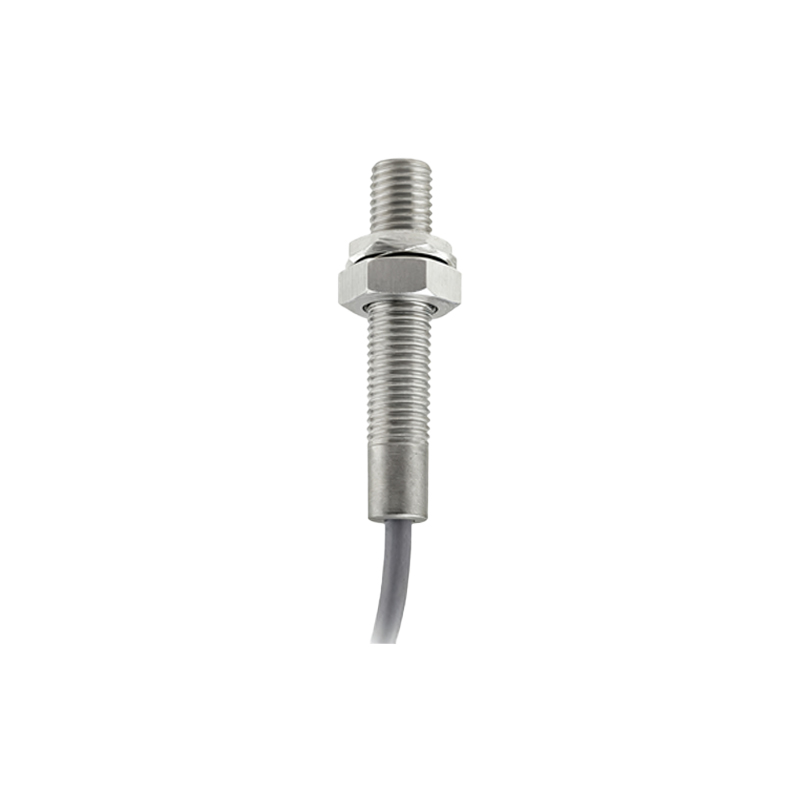
Proximity sensors are essential components in modern industrial automation, providing non-contact detection of objects within a specified range. These devices enhance efficiency, reduce mechanical wear, and enable precise control in various applications, from assembly lines to robotic systems. Understanding the different types of proximity sensors and their correct wiring is crucial for ensuring reliable operation and safety in electrical installations.
There are several primary types of proximity sensors, each based on distinct sensing technologies. Inductive proximity sensors are widely used for detecting metallic objects. They generate an electromagnetic field and trigger when a metal target enters this field, causing a change in oscillation amplitude. These sensors are ideal for harsh environments due to their robustness and resistance to dust, oil, and moisture. Common applications include position sensing in machinery, conveyor systems, and automotive manufacturing. Capacitive proximity sensors can detect both metallic and non-metallic materials, such as plastics, liquids, or wood. They operate by measuring changes in capacitance when an object enters their electrostatic field. This versatility makes them suitable for level detection in tanks, material handling, and packaging industries. Ultrasonic proximity sensors use sound waves to detect objects, measuring the time taken for an echo to return after emitting a high-frequency pulse. They are effective for long-range detection and can work in challenging conditions like fog or varying light. Typical uses include distance measurement in logistics and obstacle avoidance in automated guided vehicles (AGVs). Photoelectric proximity sensors rely on light beams, either transmitted or reflected, to sense objects. They come in through-beam, retro-reflective, and diffuse reflective models, offering high precision for detecting small items or transparent materials. Industries like pharmaceuticals and electronics frequently employ these sensors for quality control and sorting tasks. Magnetic proximity sensors activate when a magnetic field, usually from a permanent magnet, approaches them. They are simple, cost-effective, and often used in safety switches or position sensing in hydraulic cylinders.
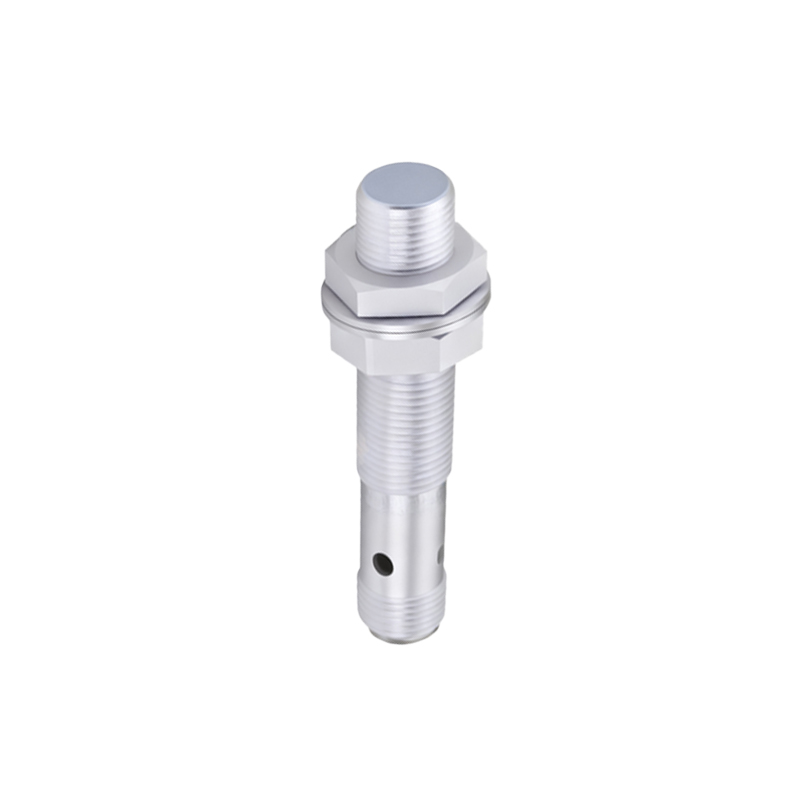
Proper wiring of proximity sensors is critical for integration into control systems, such as PLCs (Programmable Logic Controllers). Most proximity sensors have three wires: brown for positive power supply (typically +24V DC), blue for negative or ground, and black for the output signal. In a standard 3-wire DC sensor, the brown wire connects to the positive terminal of the power source, the blue wire to the negative terminal, and the black wire to the input module of the PLC or relay. For 2-wire AC/DC sensors, wiring is simpler, with one wire linked to the power supply and the other to the load, but they may have higher leakage current. It's important to verify the sensor's specifications, including voltage rating (commonly 10-30V DC or 90-250V AC), output type (NPN or PNP for DC sensors), and current capacity. NPN sensors, also known as sinking outputs, switch the negative side of the load, while PNP sensors (sourcing outputs) switch the positive side. Selection depends on the control system's requirements; for instance, many European systems prefer PNP, whereas NPN is common in Asian markets.
When installing proximity sensors, consider environmental factors like temperature extremes, electrical noise, and physical mounting. Ensure adequate shielding and separation from high-voltage cables to prevent interference. Regular maintenance, such as cleaning the sensing face and checking connections, can prolong sensor life. By choosing the right sensor type and adhering to wiring best practices, engineers can optimize performance, minimize downtime, and enhance safety in industrial automation. As technology advances, smart sensors with IO-Link or Ethernet capabilities are becoming more prevalent, offering diagnostic data and easier integration, further driving efficiency in the electrical industry.