Proximity sensors are indispensable components in modern industrial automation, serving as the eyes of machinery by detecting the presence or absence of objects without physical contact. These sensors operate by emitting a field or beam and monitoring changes in the return signal, but the type of signal they output is crucial for integration with control systems. This article delves into the common signal types generated by proximity sensors, their characteristics, and typical applications.
The primary signal outputs from proximity sensors include digital (discrete), analog, and IO-Link signals. Digital signals, the most prevalent, provide a simple on/off state. When an object enters the sensing range, the sensor switches its output from a low state (e.g., 0V) to a high state (e.g., 24V DC), or vice versa, depending on the configuration (normally open or normally closed). This binary output is ideal for counting parts, detecting position limits, or triggering actions in programmable logic controllers (PLCs). For instance, in a conveyor system, a digital proximity sensor can signal when a product reaches a specific point, initiating the next process step.
Analog signals offer continuous data, representing the distance between the sensor and the target as a variable voltage or current. Common analog outputs are 0-10V DC or 4-20mA. The voltage or current level changes proportionally with distance, allowing for precise monitoring of object position, thickness, or fill levels. In liquid tank applications, an analog-output proximity sensor can provide real-time level feedback, enabling precise control without direct contact with the fluid. This continuous signal type enhances process accuracy in tasks like robotic guidance or quality inspection.
IO-Link is a newer, intelligent signal standard that combines digital communication with sensor parameterization. Unlike traditional signals, IO-Link enables bidirectional data exchange, allowing users to remotely configure sensor settings, monitor diagnostics, and receive detailed process values. This smart signal type supports predictive maintenance by alerting operators to potential issues, such as contamination or drift, before they cause downtime. For example, in complex assembly lines, IO-Link sensors can transmit not just detection status but also temperature data or wear indicators, integrating seamlessly with Industry 4.0 frameworks.
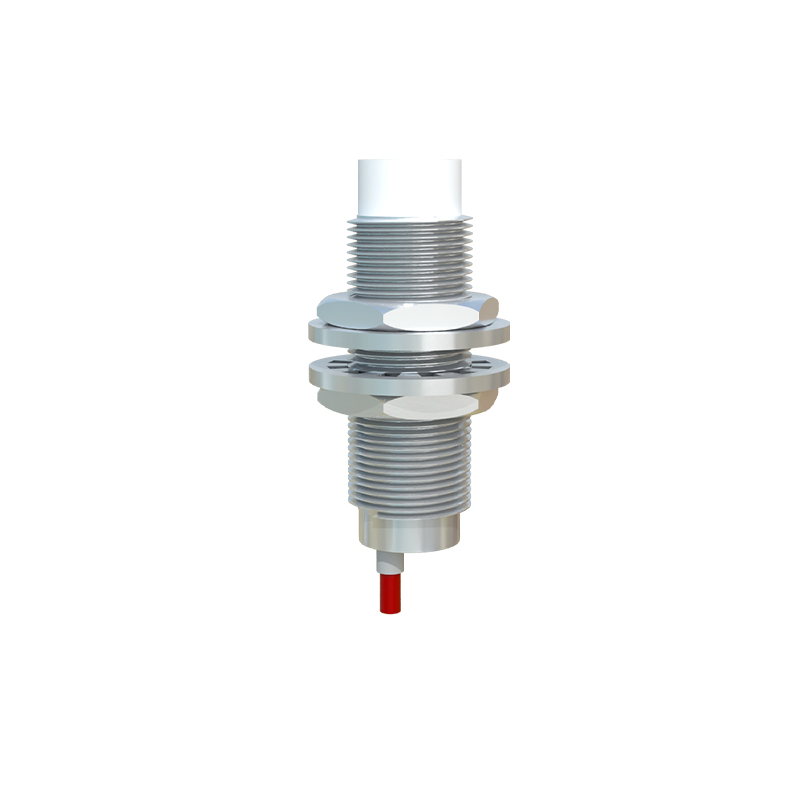
The choice of signal type depends on application requirements. Digital signals suit simple presence detection due to their reliability and ease of use. Analog signals are preferred for measurements requiring granularity, such as monitoring tolerances in manufacturing. IO-Link is optimal for advanced automation needing data-rich feedback and flexibility. Environmental factors like electrical noise, temperature, and target material also influence selection; for instance, analog signals may require shielding in noisy environments, while digital sensors with short-circuit protection offer robustness in harsh conditions.
In summary, proximity sensors transform physical detection into electrical signals that interface with control systems. Understanding digital, analog, and IO-Link outputs helps engineers optimize automation setups for efficiency and accuracy. As industries evolve toward smarter factories, signal versatility remains key to enhancing operational intelligence and productivity.