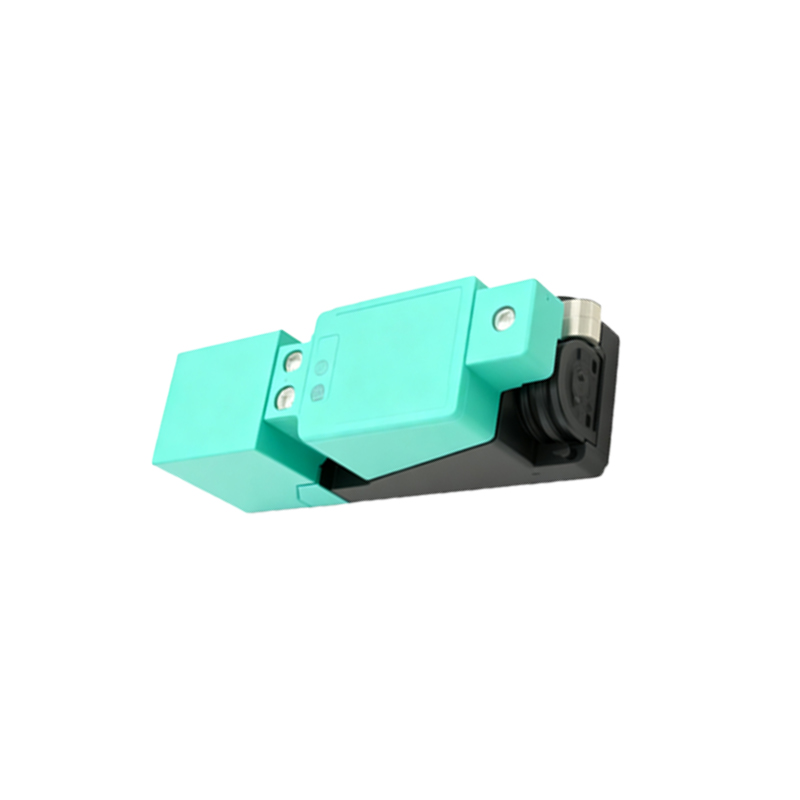
In industrial automation and control systems, proximity sensors play a pivotal role in detecting the presence or absence of objects without physical contact. A critical operational parameter that significantly influences sensor performance, reliability, and application success is the distance between the sensor and the target workpiece. This distance, often referred to as the sensing distance or operating distance, is not a mere installation variable but a carefully calibrated specification that demands thorough understanding and precise adjustment.
The nominal sensing distance, specified by manufacturers, is typically defined under ideal conditions: a standard target material, usually mild steel, at a temperature of 23°C (73°F), and with a stable power supply. However, real-world applications rarely conform to these laboratory conditions. The actual effective sensing distance can be substantially affected by several key factors. First and foremost is the material composition of the target workpiece. Inductive proximity sensors, for instance, are primarily designed to detect ferrous metals. The sensing distance for stainless steel can be reduced to approximately 60-80% of the nominal value, while for non-ferrous metals like aluminum or copper, it may drop to 30-50%. Capacitive sensors, used for non-metallic materials, also exhibit distance variations based on the target's dielectric constant.
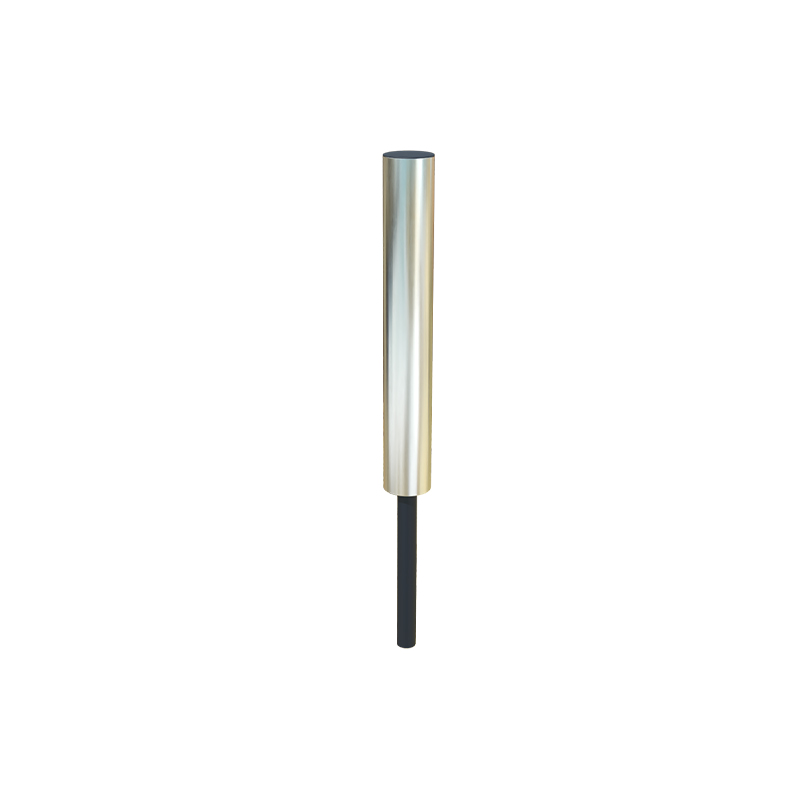
Environmental conditions constitute another major influence. Excessive ambient temperature can affect the oscillator circuit in inductive sensors and the dielectric properties relevant to capacitive types, potentially reducing the effective range. The presence of dust, oil, coolant mist, or other contaminants on the sensor face can create a barrier, attenuating the electromagnetic field and diminishing performance. Furthermore, electrical noise from nearby motors, variable frequency drives (VFDs), or welding equipment can interfere with sensor signals, necessitating a reduced operating distance to maintain signal integrity and avoid false triggering.
To ensure optimal and fail-safe operation, engineers must adhere to the principle of derating. It is a standard and prudent practice to install the sensor at 50% to 80% of its nominal sensing distance. This safety margin accounts for mechanical tolerances in parts, potential buildup of contaminants, mild target material variations, and minor shifts in alignment over time. For example, a sensor with a 10mm nominal range should ideally be positioned 5mm to 8mm from the target during normal operation. This derating prevents marginal detection scenarios, enhances switching consistency, and extends the sensor's operational lifespan by reducing electrical and thermal stress.
Mounting and alignment are equally crucial. Sensors should be mounted securely to prevent vibration-induced distance changes. The approach direction of the target should be axial to the sensor's sensing face for most standard barrel-type sensors. For applications involving side-by-side mounting, maintaining a minimum separation distance—as specified in the datasheet—is essential to prevent mutual interference, a phenomenon known as "crosstalk."
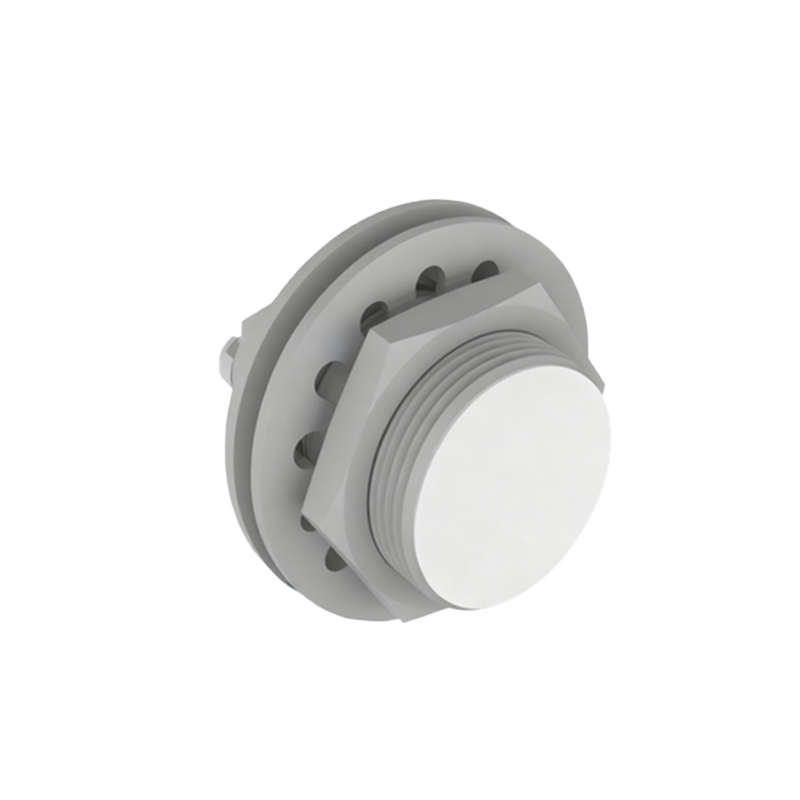
Advanced diagnostics and setup techniques further refine distance optimization. Many modern sensors feature built-in indicators, such as LED signal strength displays or analog output signals proportional to the distance. Utilizing these tools allows for real-time adjustment and verification. For critical high-speed or precision positioning applications, analog-output proximity sensors provide a continuous voltage or current signal corresponding to the gap, enabling closed-loop control systems to monitor and compensate for minute distance variations dynamically.
In conclusion, the distance between a proximity sensor and its target is a foundational parameter that dictates system accuracy, repeatability, and robustness. Successful implementation transcends simply staying within the nominal range. It requires a systematic consideration of target material, environmental factors, prudent derating, proper mechanical installation, and the leveraging of advanced sensor features. By meticulously optimizing this distance, engineers can unlock higher machine efficiency, reduce unplanned downtime, and achieve a greater level of precision in automated processes, from packaging and assembly to robotic guidance and metalworking.