In industrial automation and control systems, proximity sensors play a critical role in detecting the presence or absence of objects without physical contact. However, engineers and maintenance personnel frequently encounter issues related to sensor instability, which can lead to production downtime, quality defects, and increased operational costs. Understanding the root causes of this instability and implementing effective countermeasures is essential for maintaining robust and reliable automation processes.
One primary cause of proximity sensor instability is environmental interference. Industrial settings often expose sensors to extreme conditions, including temperature fluctuations, humidity, dust, oil, and chemical vapors. For instance, metallic dust accumulation on an inductive sensor's face can alter its effective sensing range or cause false triggering. Similarly, rapid temperature changes can affect the internal electronics and oscillation circuits of capacitive or ultrasonic sensors, leading to drift in detection thresholds. Electromagnetic interference (EMI) from nearby motors, variable frequency drives (VFDs), or high-current cables is another common culprit. EMI can induce noise in sensor signals, resulting in erratic output behavior.
Sensor selection and installation errors also contribute significantly to unstable performance. Using a sensor with an inappropriate sensing range, incorrect material compatibility (e.g., using a standard inductive sensor to detect non-ferrous metals), or an unsuitable output type (PNP vs. NDC) for the control system can cause intermittent failures. Improper mounting is equally problematic. If a sensor is loosely installed or subjected to excessive vibration, its alignment relative to the target may shift, causing inconsistent detection. Additionally, inadequate grounding or improper shielding of signal cables can exacerbate noise susceptibility.
Electrical and wiring issues are frequent sources of trouble. Voltage fluctuations in the power supply, especially in plants with heavy machinery, can destabilize sensor operation. Long cable runs without proper termination may lead to signal attenuation or crosstalk. Using damaged cables or connectors that expose wires to moisture or short circuits can create intermittent connections, manifesting as random triggering or failure to detect. Furthermore, incorrect load matching—such as connecting a sensor to a load exceeding its rated current—can cause overheating and premature degradation of output components.
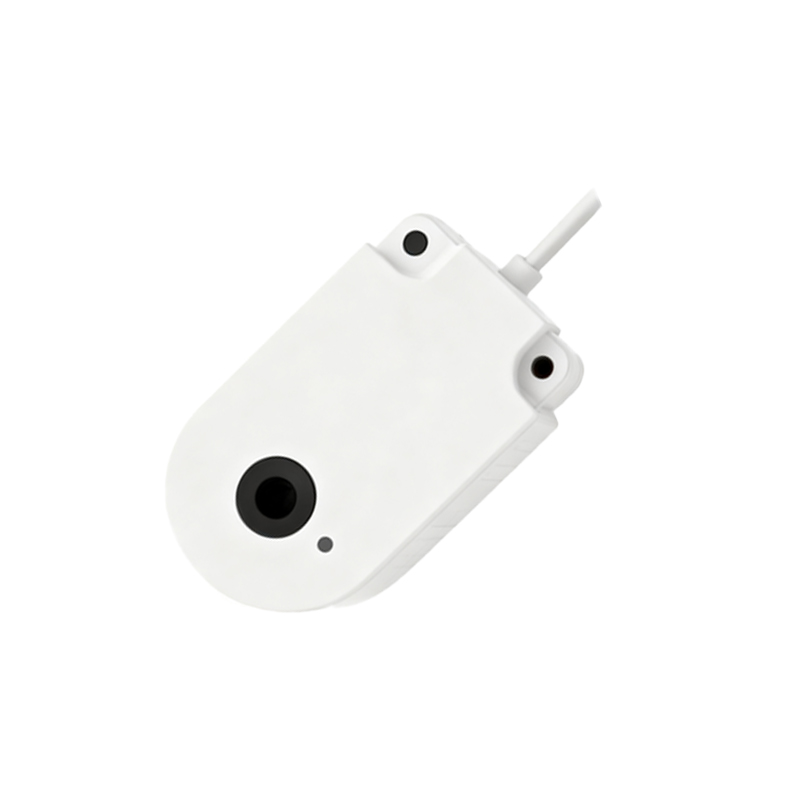
To mitigate these issues, a systematic approach to troubleshooting and prevention is recommended. First, conduct a thorough environmental assessment. Choose sensors with appropriate ingress protection (IP) ratings, temperature specifications, and EMI immunity for the application. For dusty or oily environments, regular cleaning schedules using compatible solvents can prevent buildup. Implementing shielding for both sensors and cables, and routing them away from high-interference sources, reduces noise impact. Using twisted-pair cables with proper grounding at a single point often minimizes ground loop problems.
Second, verify correct sensor selection and installation. Always refer to datasheets for sensing distances, target material corrections, and temperature coefficients. Ensure rigid mounting with brackets that minimize vibration transmission. For alignment-critical applications, use adjustable mounts and periodically check positioning. Follow manufacturer guidelines for cable types, lengths, and connection methods. Implementing surge protection devices on power and signal lines can guard against voltage spikes from inductive loads.
Third, adopt robust electrical practices. Use stable, regulated power supplies with sufficient current capacity. Incorporate filtering or isolation modules for sensitive circuits. For long-distance signal transmission, consider using analog sensors with 4-20mA outputs or digital networks (e.g., IO-Link) that offer better noise resistance and diagnostic capabilities. Regularly inspect wiring for wear, corrosion, or loose terminals, and replace compromised components promptly.
Finally, leverage advanced sensor technologies and diagnostics. Modern sensors with IO-Link communication provide real-time data on operating status, temperature, and signal strength, enabling predictive maintenance. Some models feature adaptive tuning or teach-in functions to compensate for environmental changes automatically. Implementing redundancy with dual sensors in critical applications can enhance reliability.
In conclusion, proximity sensor instability stems from a combination of environmental, mechanical, electrical, and selection factors. By systematically addressing these areas through proper design, installation, and maintenance practices, engineers can achieve stable, long-lasting sensor performance, thereby ensuring continuous and efficient industrial operations.