In the world of industrial automation and control systems, proximity sensors are indispensable components. They detect the presence or absence of an object without physical contact, enabling precise, reliable, and maintenance-free operation in countless applications. From assembly lines and robotic systems to automotive manufacturing and packaging machinery, the right proximity sensor is critical for efficiency and safety. However, with a myriad of technologies and models available, determining "which proximity sensor is best" is not a one-size-fits-all answer. The optimal choice depends on a careful analysis of application requirements, environmental conditions, and performance specifications.
The primary technologies dominating the market are inductive, capacitive, ultrasonic, and photoelectric sensors. Each operates on distinct physical principles, making them suitable for different material types and sensing scenarios.
Inductive proximity sensors are the workhorses of metal detection. They generate an electromagnetic field and detect changes caused by conductive metals entering this field. Renowned for their robustness, high switching frequency, and immunity to environmental factors like dust, dirt, or oil, they are ideal for harsh industrial environments. Common applications include position sensing of metal parts, gear tooth detection, and end-of-travel limits on machinery. When selecting an inductive sensor, key parameters include sensing distance (which is typically standardized for different housing sizes), the target material (steel, aluminum, copper have different correction factors), and the output type (PNP/NPN, NO/NC).
Capacitive proximity sensors can detect both metallic and non-metallic materials—liquids, plastics, wood, glass, and granular substances. They function by measuring changes in capacitance between the sensor's electrode and the target. This makes them perfect for applications like liquid level detection in tanks, monitoring fill levels of powders or granules, or detecting non-metallic objects on a conveyor. They are sensitive to environmental changes in humidity and temperature, which must be considered during installation and calibration.
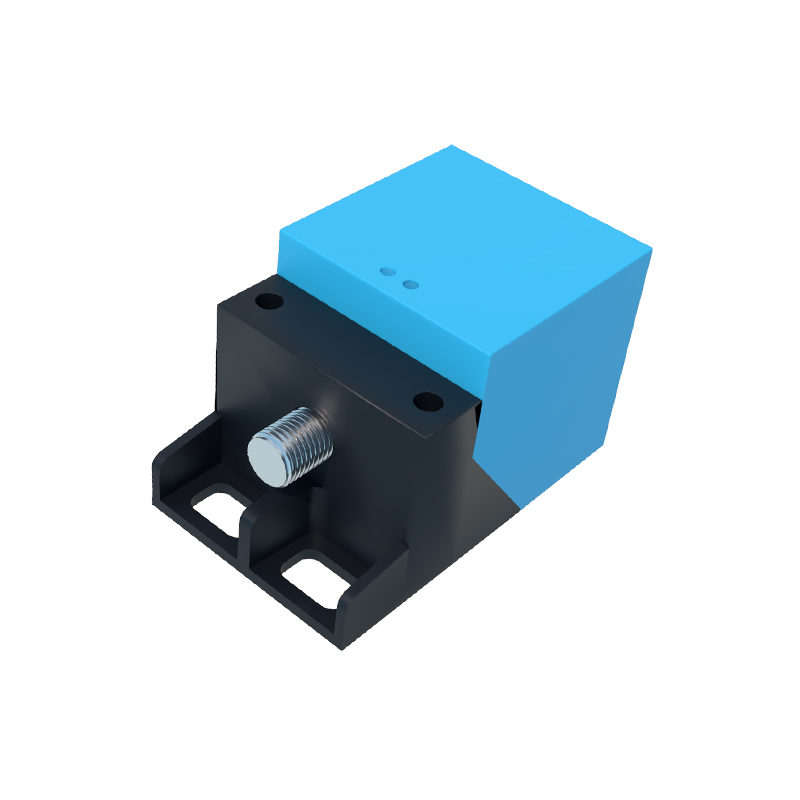
Ultrasonic sensors use sound waves beyond human hearing. They emit ultrasonic pulses and measure the time for the echo to return, calculating distance to the target. This technology excels at precise distance measurement and can detect objects of virtually any material, shape, or color, even transparent ones. They perform well in challenging conditions involving dust, fog, or light interference. Typical uses include palletizing, loop control in web processing, and bulk material level monitoring. Limitations include potential inaccuracies with soft, sound-absorbing materials or in environments with significant temperature gradients.
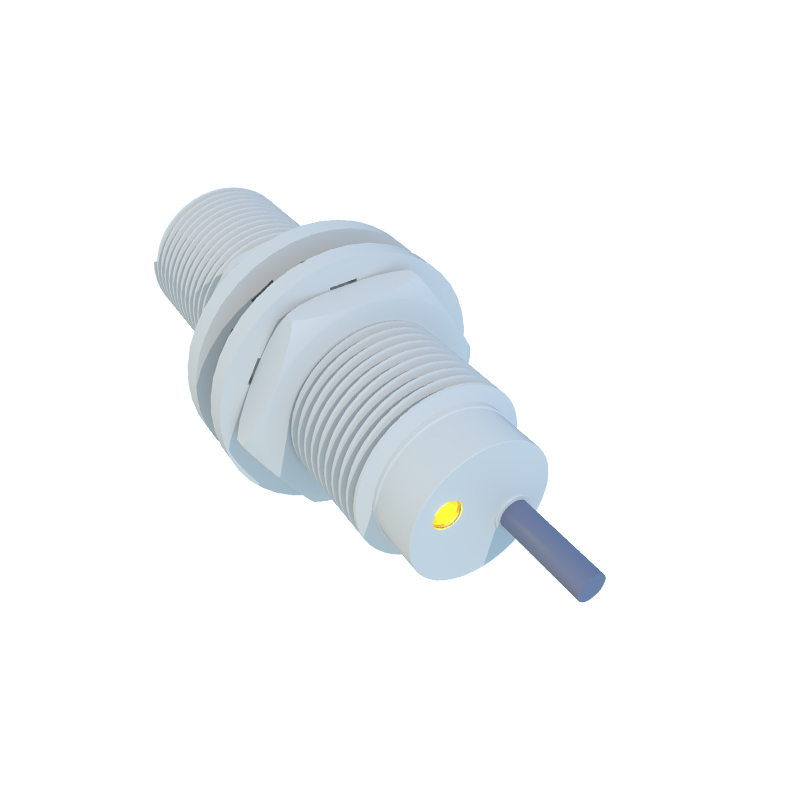
Photoelectric sensors employ a light beam (visible red, infrared, or laser) and detect interruptions or reflections of that beam. They offer the longest sensing ranges among standard proximity sensors and are highly versatile. The three main operating modes are through-beam (separate emitter and receiver for maximum range and reliability), retro-reflective (uses a reflector), and diffuse (sensor and target in one unit). They are excellent for detecting small objects, color marks, or transparent materials, but can be affected by ambient light, dust, and dirt on the lens.
Beyond core technology, several critical factors dictate the "best" sensor for a job. The operating environment is paramount. Will the sensor face extreme temperatures, washdown pressures, corrosive chemicals, or heavy vibration? Ingress Protection (IP) and NEMA ratings define the housing's resistance to solids and liquids. For food and pharmaceutical industries, sensors with stainless steel housings and smooth surfaces for easy cleaning are mandatory.
Electrical characteristics are equally vital. The supply voltage (commonly 10-30V DC or 90-250V AC), output configuration (sourcing PNP or sinking NPN for DC models), and connection type (pre-wired cable or quick-disconnect) must match the control system. The sensing range must have an appropriate safety margin, typically 70-80% of the nominal range to account for target variations and installation tolerances.
Finally, consider form factor. Cylindrical sensors (M8, M12, M18, M30 threads) are common for easy mounting in drilled holes. Rectangular or block-style sensors offer unique mounting options. Factor in the required mounting style (flush, non-flush for inductive) and any special features like short-circuit protection, reverse polarity protection, or IO-Link communication for smart sensor data exchange.
In conclusion, the best proximity sensor is the one that delivers reliable, repeatable detection for your specific application while surviving its operating environment. There is no universal champion. An inductive sensor is best for detecting a metal gear tooth in an oily machine. A capacitive sensor is best for monitoring resin level in a hopper. An ultrasonic sensor is best for controlling the loop of a textile web. A photoelectric sensor is best for detecting a clear bottle on a high-speed conveyor. A thorough evaluation of the target material, required sensing distance, environmental conditions, and electrical interface will lead you to the optimal, high-performance choice.