In the realm of industrial automation and control, the quest for reliability, precision, and durability is perpetual. For decades, inductive and capacitive proximity switches have been the stalwarts for non-contact object detection. However, the evolution of sensing technology has ushered in a formidable and often superior alternative: Hall Effect sensors. This article delves into the technical merits of Hall Effect sensors and presents a compelling case for their adoption over traditional proximity switches in numerous applications.
At its core, a Hall Effect sensor operates on a fundamental physical principle discovered by Edwin Hall in 1879. When a current-carrying conductor is placed in a magnetic field, a voltage (the Hall voltage) is generated perpendicular to both the current and the field. Modern Hall Effect sensors integrate this transducer with signal conditioning circuitry, producing a clean, digital or analog output in response to a magnetic field. In contrast, inductive proximity switches generate an electromagnetic field and detect changes caused by the presence of a metallic target, while capacitive variants detect changes in capacitance caused by any material.
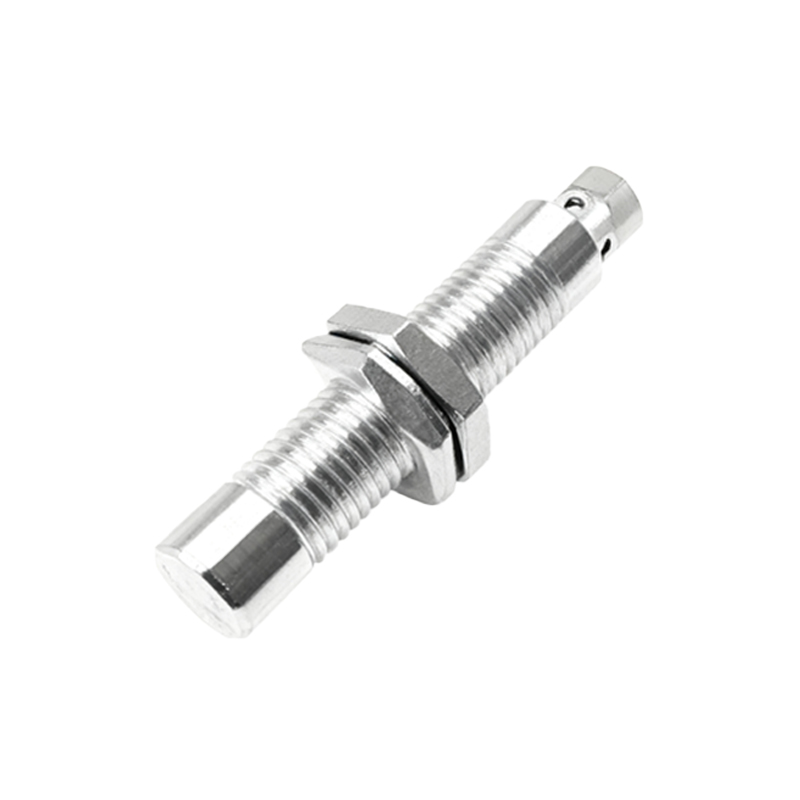
The advantages of Hall Effect sensors begin with their exceptional precision and repeatability. They can detect the precise position of a magnet with micron-level accuracy, making them ideal for applications like rotary encoding, speed sensing in motors, and precise limit switching. Proximity switches, particularly inductive types, have a less defined sensing point and can be influenced by the material composition, size, and orientation of the target.
Another critical differentiator is the nature of the sensed target. Hall Effect sensors require a magnetic field, typically from a permanent magnet. This means the sensor itself is completely immune to environmental factors such as dust, oil, moisture, or non-metallic debris that can plague optical or capacitive sensors. While inductive proximity switches are also robust in dirty environments, they are limited to detecting metals. Hall sensors, paired with a magnet, can detect the presence of virtually any material to which a magnet can be attached or embedded, including plastics and ceramics.
Power consumption is a notable area where Hall Effect sensors excel. Many modern Hall devices are designed for ultra-low power operation, making them perfect for battery-powered systems or energy-conscious applications. Traditional proximity switches, especially two-wire AC/DC types, often have higher leakage currents and overall power draw.
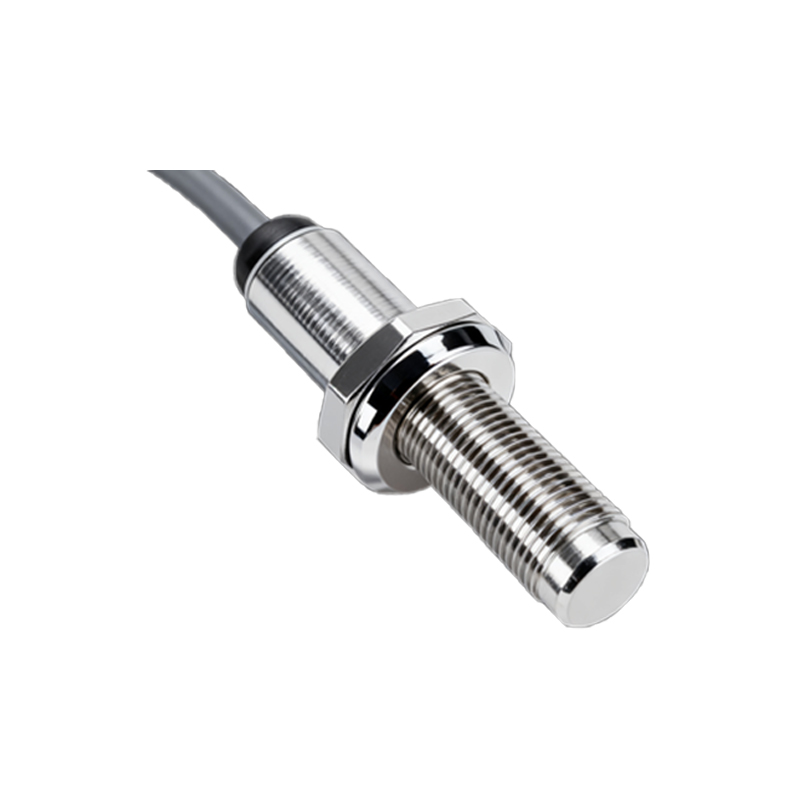
From a durability perspective, Hall Effect sensors possess a significant edge. As solid-state devices with no moving parts and no physical contact required, their operational life is essentially limitless, bounded only by semiconductor longevity. Proximity switches, though robust, can suffer from wear in their oscillator circuits and are more susceptible to damage from electrical transients or welding spatter in harsh industrial settings.
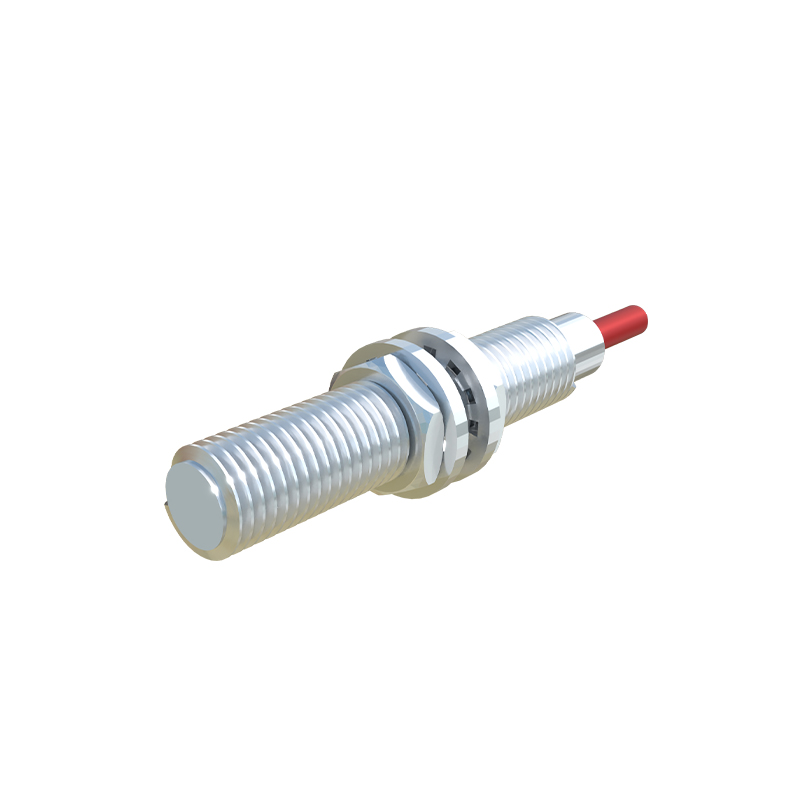
Furthermore, Hall Effect sensors offer superior performance in extreme environments. They can operate effectively across a broader temperature range, from cryogenic levels to over 150°C, outperforming many standard proximity switches. Their output is also unaffected by vibration, a common cause of failure or false triggering in mechanical limit switches they often replace.
Integration and signal quality further bolster the case for Hall sensors. They provide a crisp, bounce-free digital signal or a true analog output proportional to magnetic field strength. This clean signal interfaces seamlessly with modern microcontrollers and PLCs without the need for additional debouncing circuits. While proximity switches provide a clean switch signal, analog versions are less common and can be noisier.
Of course, the choice is not absolute. Inductive proximity switches remain the optimal, cost-effective solution for simple detection of ferrous metals at short ranges where extreme precision is not required. They require no additional magnet, simplifying installation. The initial system cost for a Hall sensor and magnet assembly can be higher.
However, for applications demanding high precision, detection of non-metallic objects, operation in severely contaminated environments, ultra-low power consumption, or extreme reliability over hundreds of millions of cycles, Hall Effect sensors are unequivocally the superior choice. Common applications include:
Position Sensing: Detecting valve position, seatbelt buckles, or gearbox selectors.
Speed and RPM Measurement: Sensing gear teeth or motor shaft revolutions.
Current Sensing: Using a Hall IC to measure current in a conductor without breaking the circuit.
Brushless DC Motor Commutation: Essential for determining rotor position.
In conclusion, while traditional proximity switches will continue to serve adequately in many roles, the technical advantages of Hall Effect sensors are transformative for advanced industrial design. Engineers seeking to enhance system accuracy, reliability, and functionality would be prudent to evaluate the Hall Effect alternative. The shift represents not just a component substitution, but a strategic upgrade towards more intelligent, resilient, and precise automation systems. The future of non-contact sensing is increasingly magnetic, and Hall Effect technology is firmly at its pole.