In the realm of industrial automation and environmental monitoring, proximity sensors have emerged as versatile tools for detecting objects without physical contact. While commonly associated with manufacturing lines for part detection or safety systems, their application in bird detection is gaining traction across various sectors, including aviation, agriculture, and urban infrastructure. This article delves into the technical aspects of using proximity sensors for bird detection, exploring their principles, types, and implementation challenges.
Proximity sensors operate by emitting electromagnetic fields, light, or sound waves to sense the presence of objects within a defined range. For bird detection, the choice of sensor type depends on factors such as detection distance, environmental conditions, and target species. Inductive and capacitive sensors, which rely on electromagnetic fields, are typically unsuitable for birds due to their limited range and sensitivity to metallic objects. Instead, photoelectric and ultrasonic sensors are more commonly employed. Photoelectric sensors use light beams—often infrared—to detect interruptions caused by birds flying through the beam. These sensors offer high precision and fast response times, making them ideal for applications like bird strike prevention at airports. However, they can be affected by ambient light or weather conditions, requiring careful calibration. Ultrasonic sensors, on the other hand, emit sound waves beyond human hearing and measure the echo reflected by birds. They are effective in diverse weather and lighting scenarios, but may struggle with small or fast-moving birds due to slower signal processing.
The integration of proximity sensors into bird detection systems involves several engineering considerations. First, sensor placement is critical to cover vulnerable areas, such as runway perimeters or crop fields. Arrays of sensors can be deployed to create a detection network, enhancing coverage and reliability. Second, signal processing algorithms must filter out false positives from debris, insects, or environmental noise. Advanced systems incorporate machine learning to distinguish bird signatures based on size, speed, and movement patterns. For instance, in wind farms, sensors help prevent bird collisions with turbines by triggering deterrents or shutdowns when birds approach. Similarly, in agriculture, they protect crops by activating scare devices upon detection.
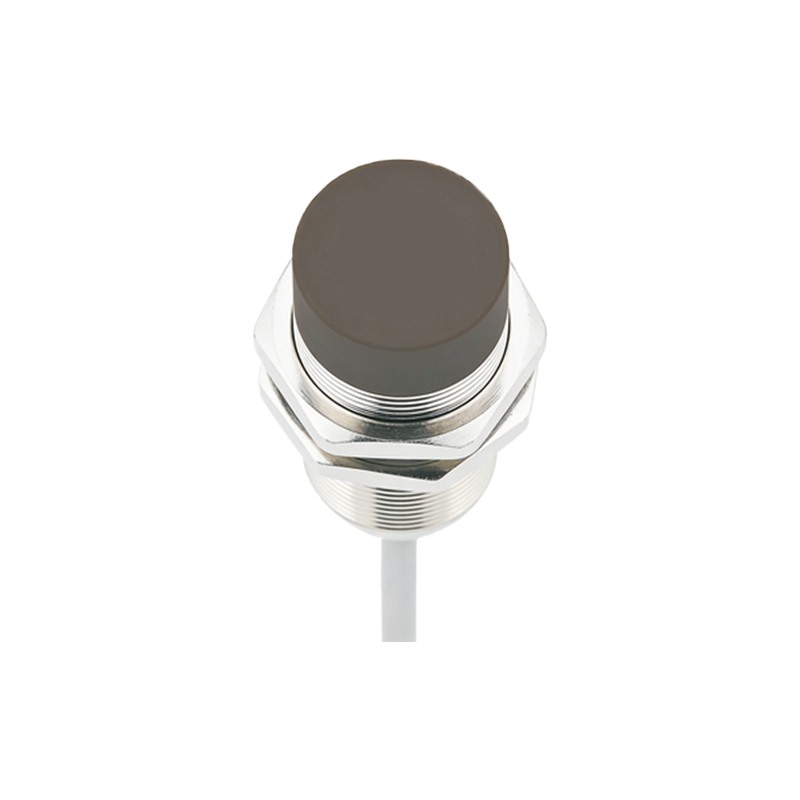
Despite their advantages, proximity sensors face limitations in bird detection. Birds' erratic flight paths and varying sizes can challenge consistent detection, especially for species with low reflectivity. Additionally, outdoor installations require robust housing to withstand harsh conditions, increasing costs. To address these issues, hybrid systems combining proximity sensors with cameras or radar are being developed. These multimodal approaches improve accuracy by cross-verifying data, though they add complexity to the system design.
In conclusion, proximity sensors offer a practical solution for bird detection in industrial and environmental contexts. By leveraging technologies like photoelectric and ultrasonic sensing, engineers can mitigate risks posed by birds to safety and assets. Ongoing advancements in sensor miniaturization and AI-driven analytics promise to enhance their efficacy, paving the way for smarter, more adaptive detection systems. As urbanization and climate change alter bird behaviors, such innovations will play a crucial role in fostering coexistence between human activities and wildlife.