In the rapidly evolving landscape of industrial automation, smart proximity switch sensors have emerged as pivotal components, driving efficiency, safety, and precision across diverse sectors. These advanced sensors, leveraging cutting-edge technologies such as IoT connectivity, AI-driven analytics, and robust sensing mechanisms, are transforming traditional manufacturing and process control systems. Unlike conventional proximity switches that merely detect the presence or absence of objects, smart variants offer enhanced functionalities like real-time data transmission, predictive maintenance alerts, and adaptive response capabilities. This article delves into the technical intricacies, applications, and future trends of smart proximity switch sensors, providing insights for engineers and industry professionals.
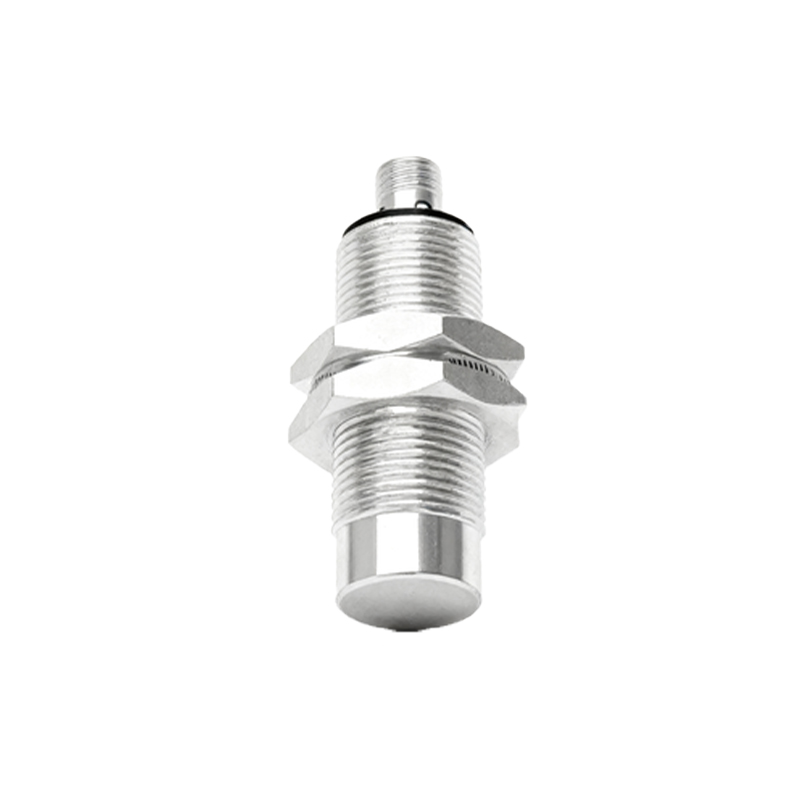
At their core, smart proximity switch sensors operate on principles of electromagnetic, capacitive, or inductive sensing, but with integrated microprocessors and communication modules. For instance, inductive proximity sensors excel in detecting metallic objects without physical contact, using electromagnetic fields to generate signals. The "smart" aspect is introduced through embedded intelligence, enabling these sensors to process data locally and communicate via industrial protocols like IO-Link, PROFINET, or Ethernet/IP. This connectivity allows seamless integration into Industry 4.0 frameworks, where sensors contribute to centralized monitoring systems. Key features include self-diagnosis functions that detect issues like sensor drift or contamination, reducing downtime by up to 30% in automated assembly lines. Moreover, adaptive sensing ranges can be programmed remotely, optimizing performance in dynamic environments such as robotic arms or conveyor systems.
The applications of smart proximity switch sensors span numerous industries, from automotive manufacturing to food processing. In automotive plants, these sensors ensure precise positioning of components during assembly, enhancing quality control while minimizing errors. For example, in welding robots, smart inductive sensors monitor tool alignment and trigger corrective actions in milliseconds, preventing costly defects. In the packaging sector, capacitive proximity sensors detect non-metallic materials like plastics or liquids, enabling automated filling and capping processes with high accuracy. Additionally, in hazardous environments—such as chemical plants—explosion-proof variants with IoT capabilities provide real-time safety monitoring, alerting operators to potential leaks or malfunctions. The healthcare industry also benefits, with sensors used in medical device manufacturing to maintain sterile conditions and track equipment usage.
Looking ahead, the future of smart proximity switch sensors is intertwined with advancements in AI and edge computing. Predictive analytics algorithms will enable sensors to forecast failures based on historical data, shifting maintenance from reactive to proactive models. Energy efficiency is another focus area, with low-power designs extending battery life in wireless sensor networks. Furthermore, miniaturization trends are paving the way for compact sensors that fit into tight spaces, such as micro-robotics or wearable technology. As global industries embrace digital transformation, the demand for these intelligent sensors is projected to grow at a CAGR of 8.5% over the next decade, according to market analyses. Engineers are encouraged to stay abreast of standards like IEC 60947-5-2, which govern proximity sensor specifications, and to prioritize interoperability in system designs.
In conclusion, smart proximity switch sensors represent a significant leap forward in industrial automation, offering unparalleled reliability and data-driven insights. By adopting these technologies, companies can achieve higher productivity, reduced operational costs, and enhanced safety compliance. As innovation continues, these sensors will undoubtedly play a crucial role in shaping the factories of tomorrow.