In the realm of industrial automation, proximity sensors are indispensable components that enable non-contact detection of objects, ensuring efficiency, safety, and precision in various applications. As an experienced electrical engineer, I have worked extensively with numerous brands and can attest that selecting the right manufacturer is crucial for system reliability. Here, I will recommend some of the top proximity sensor brands based on performance, durability, innovation, and industry adoption.
First on the list is Sick AG, a German-based leader renowned for its high-quality sensors. Sick's proximity sensors, such as the IM series, offer exceptional accuracy and robustness in harsh environments. They are widely used in automotive, packaging, and material handling industries. Their products feature advanced technologies like IO-Link connectivity, which facilitates smart factory integration and predictive maintenance.
Another standout brand is Omron Corporation, a Japanese giant with a global presence. Omron's E2E and E2A series proximity sensors are celebrated for their compact design and long operational life. These sensors excel in applications requiring high-speed detection and resistance to electrical noise. Omron consistently invests in R&D, resulting in innovations like metal-immune sensors that reduce false triggers—a common challenge in metal-rich settings.
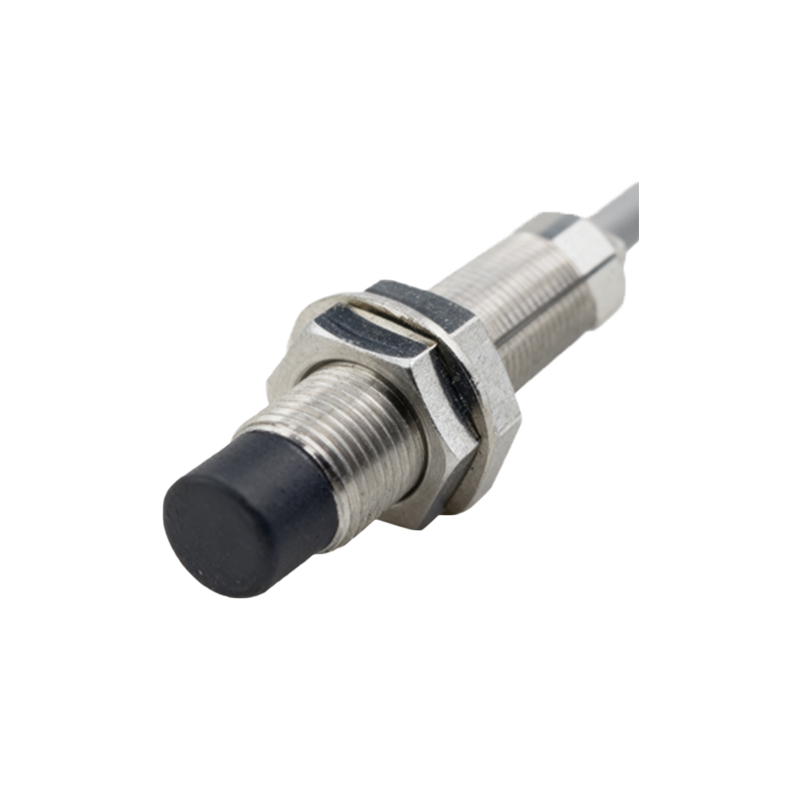
Pepperl+Fuchs, also from Germany, is a pioneer in sensor technology. Their inductive and capacitive proximity sensors are engineered for extreme conditions, including high temperatures and corrosive atmospheres. The brand's focus on customization allows tailored solutions for niche industries like chemical processing and mining. Pepperl+Fuchs sensors often incorporate diagnostic functions, enhancing troubleshooting capabilities.
For those seeking cost-effective yet reliable options, Balluff GmbH is a top choice. This German manufacturer offers a diverse portfolio, including miniature sensors for space-constrained installations. Balluff's sensors are known for their easy integration and compatibility with various industrial networks, such as PROFINET and EtherNet/IP. Their BES series, for instance, provides consistent performance in repetitive tasks like assembly line automation.
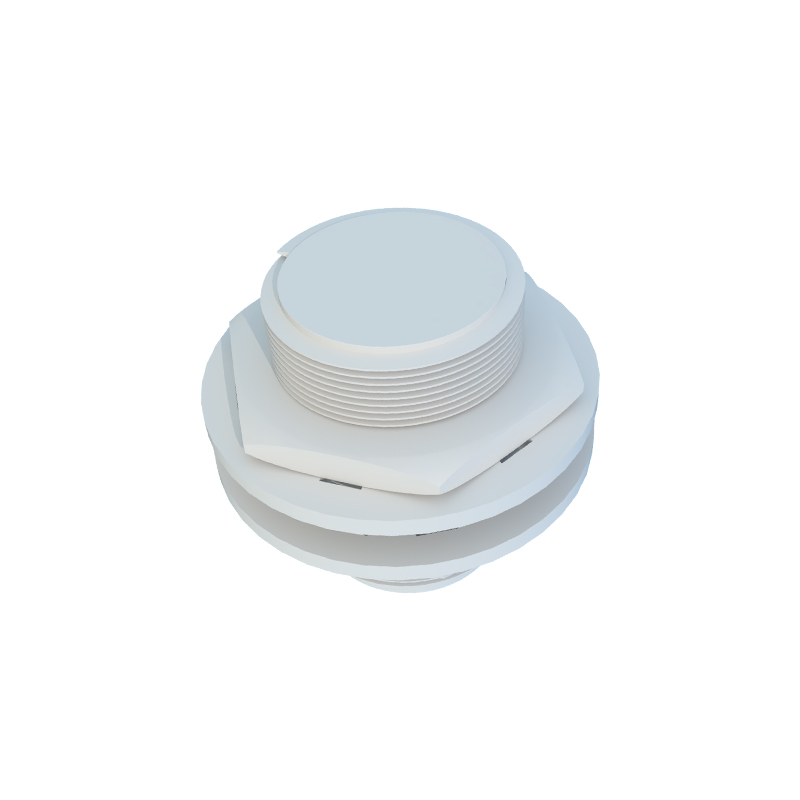
IFM Electronic, another German contender, emphasizes user-friendly design and connectivity. IFM's proximity sensors feature quick-disconnect connectors and clear status indicators, simplifying installation and maintenance. Their products are ideal for sectors like food and beverage, where hygiene and washdown resistance are paramount. IFM's commitment to Industry 4.0 is evident in sensors with integrated data logging capabilities.
In North America, Rockwell Automation holds significant sway. Their Allen-Bradley line of proximity sensors is trusted for seamless integration with Rockwell control systems. These sensors are built to withstand vibration and shock, making them suitable for heavy machinery and robotics. Rockwell's focus on cybersecurity also ensures that networked sensors are protected against threats.
Lastly, Turck deserves mention for its innovative multipurpose sensors. Turck's designs often combine multiple sensing principles, such as inductive and capacitive, in a single unit, offering versatility across applications. Their ruggedized sensors perform reliably in outdoor or wet environments, appealing to industries like agriculture and wastewater management.
When choosing a proximity sensor brand, consider factors like environmental conditions, required sensing range, output type, and connectivity needs. Leading brands typically provide comprehensive technical support and documentation, which is vital for troubleshooting and optimization. Investing in reputable brands not only reduces downtime but also enhances overall system longevity. As automation evolves, these manufacturers continue to push boundaries with smarter, more adaptive sensors—driving the future of industrial efficiency.