Laser sensors have become indispensable components in modern industrial automation, offering unparalleled precision, speed, and reliability. These devices utilize laser beams to detect, measure, and inspect objects with high accuracy, making them vital across various sectors including manufacturing, robotics, and quality control.
In manufacturing environments, laser sensors are extensively used for positioning and alignment tasks. For instance, in automotive assembly lines, they ensure that components are correctly placed before welding or fastening, reducing errors and enhancing production efficiency. Their ability to operate in harsh conditions—such as extreme temperatures or dusty atmospheres—makes them superior to traditional optical or mechanical sensors. Additionally, laser-based measurement systems provide non-contact solutions for dimensional analysis, allowing real-time monitoring of product dimensions without physical contact, which minimizes wear and tear.
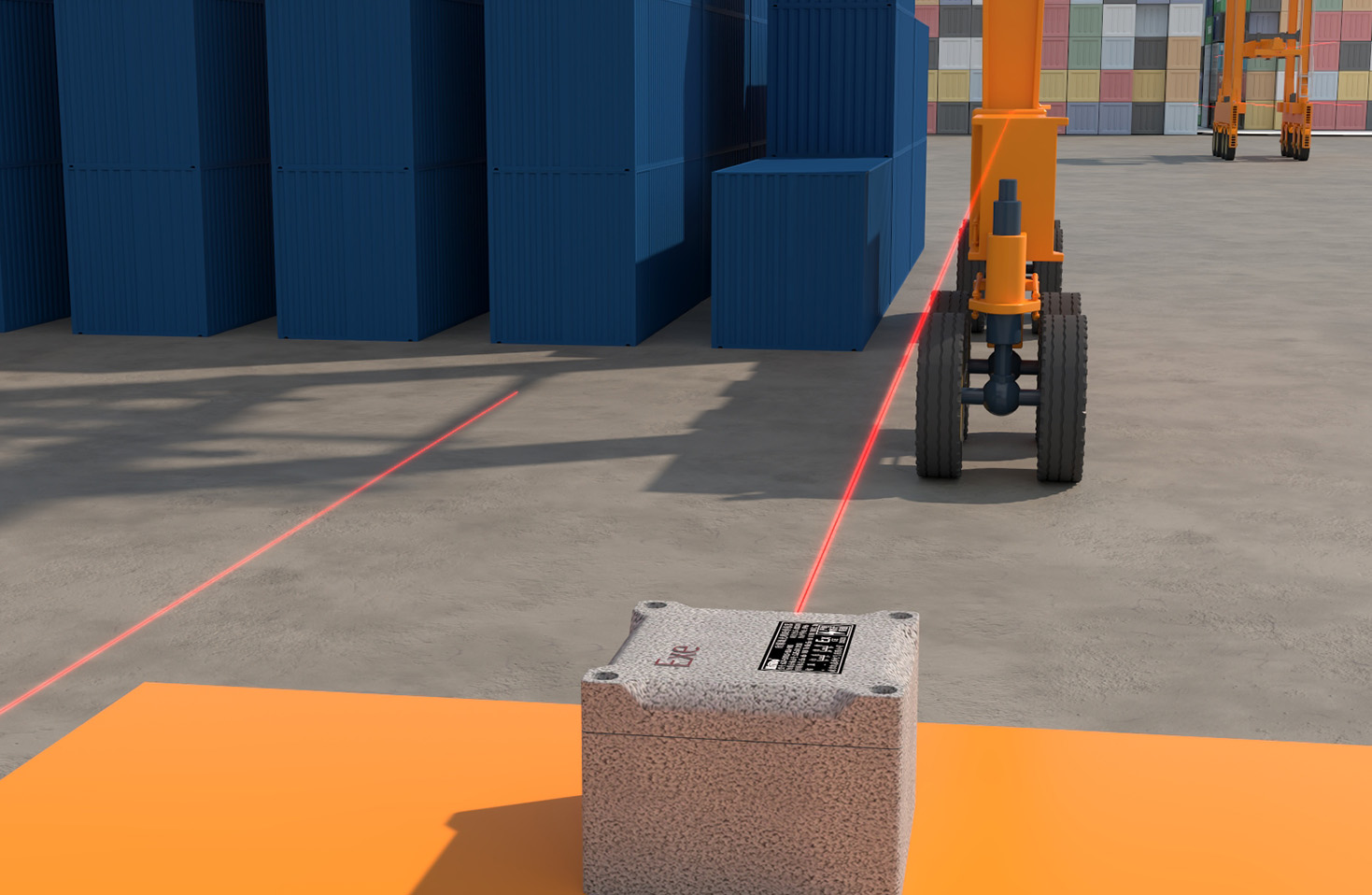
Robotics is another field where laser sensors play a critical role. Autonomous guided vehicles (AGVs) and robotic arms rely on laser scanners for navigation and object detection. By emitting laser pulses and analyzing reflected signals, these sensors create detailed maps of surroundings, enabling robots to avoid obstacles and perform precise movements. This technology is crucial in warehouses for inventory management and in hazardous environments where human intervention is limited.
Quality control processes benefit significantly from laser sensor applications. In the electronics industry, laser sensors inspect circuit boards for defects like soldering errors or component misalignment. They can detect minute imperfections at high speeds, ensuring that only flawless products reach consumers. Similarly, in the pharmaceutical sector, laser sensors verify packaging integrity and label accuracy, complying with strict regulatory standards.
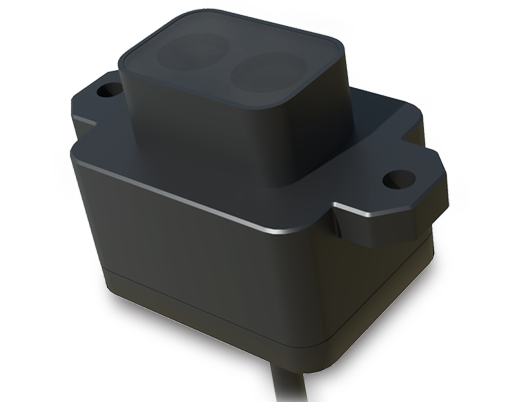
Emerging trends include the integration of laser sensors with Internet of Things (IoT) platforms, enabling predictive maintenance and data analytics. By continuously monitoring equipment performance, these smart sensors can predict failures before they occur, reducing downtime and maintenance costs. Furthermore, advancements in fiber laser technology have led to more compact and energy-efficient sensors, expanding their applicability in space-constrained settings.
Despite their advantages, challenges such as high initial costs and sensitivity to environmental interference persist. However, ongoing research aims to develop cost-effective and robust solutions, such as adaptive algorithms that compensate for external disturbances. As industries increasingly adopt automation, the demand for laser sensors is expected to grow, driving innovation in areas like artificial intelligence and machine learning integration.

In summary, laser sensors are transformative tools in industrial automation, enhancing productivity, safety, and quality. Their versatility and evolving capabilities position them as key enablers of the Fourth Industrial Revolution, paving the way for smarter and more efficient manufacturing ecosystems.