In the realm of industrial automation and control systems, proximity sensors stand as fundamental components, enabling machines to perceive their environment without physical contact. A proximity sensor is defined as a non-contact sensor that detects the presence or absence of an object, or measures the distance to an object, within its specified sensing range. Its primary function is to convert information about the presence or position of a target into an electrical signal. This capability is crucial for automation, providing essential data for process control, safety, sequencing, and counting applications across countless industries.
The core operating principle hinges on the emission of a field or beam and the analysis of changes in that field or the return signal. Unlike limit switches that require physical actuation, proximity sensors offer distinct advantages: they have no mechanical moving parts, leading to longer operational life and higher reliability; they enable high-speed detection as no physical momentum is involved; and they are resistant to environmental factors like oil, dust, and moisture, depending on their housing and design.
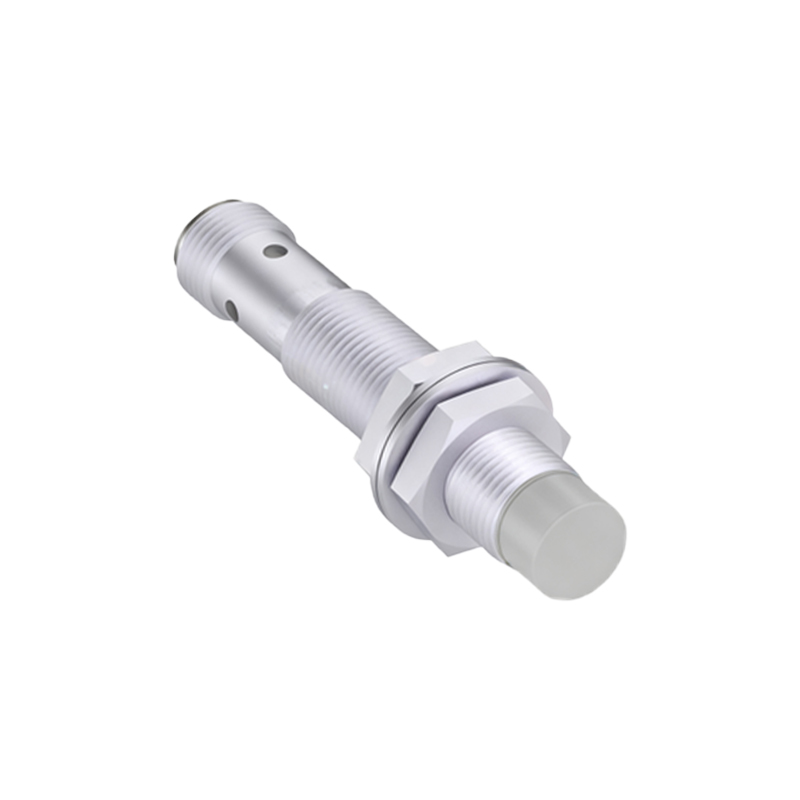
Several main types of proximity sensors exist, each based on different physical principles. Inductive proximity sensors are among the most common. They generate an electromagnetic oscillating field. When a metallic object enters this field, it induces eddy currents within the object, which dampens the oscillator's amplitude. This change is detected and triggers a solid-state output switch. These sensors are ideal for detecting metals, particularly ferrous metals like steel and iron, and are widely used in machine tools, automotive assembly, and material handling.
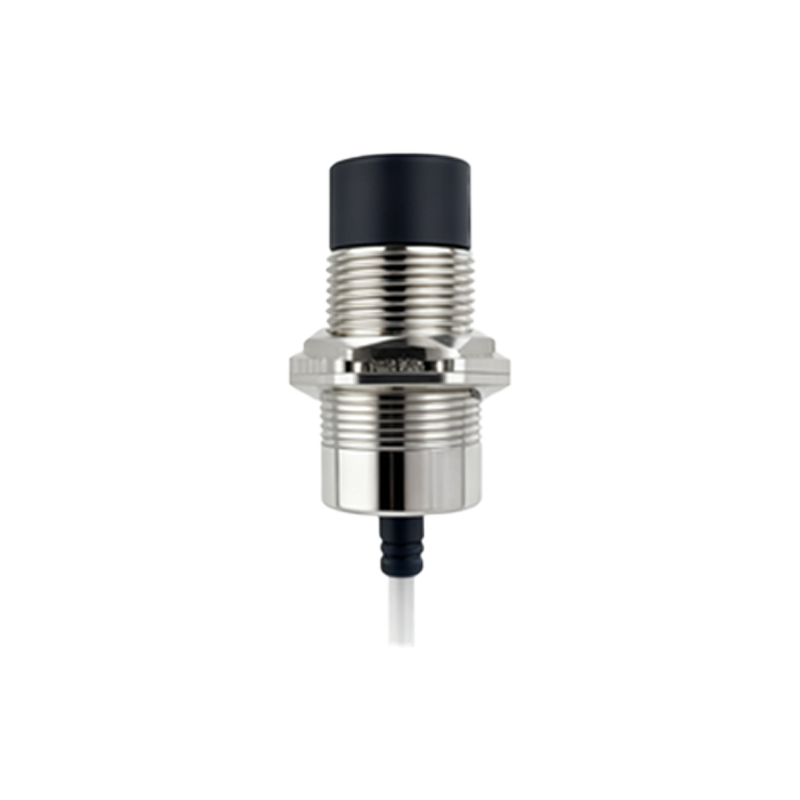
Capacitive proximity sensors, on the other hand, can detect both metallic and non-metallic materials, including liquids, plastics, wood, and granular substances. They function by generating an electrostatic field. The presence of any object with a dielectric constant different from air alters the capacitance of the sensor's circuit, which is then measured to trigger an output. This makes them perfect for applications like level detection in tanks, presence detection of glass or cardboard, and moisture sensing.
Ultrasonic proximity sensors operate by emitting high-frequency sound waves and evaluating the reflected echo. The time interval between sending the signal and receiving the echo is used to calculate the distance to the object. They are effective for detecting objects of virtually any material, shape, or color, and are commonly used for distance measurement, transparent object detection, and level sensing in challenging environments.
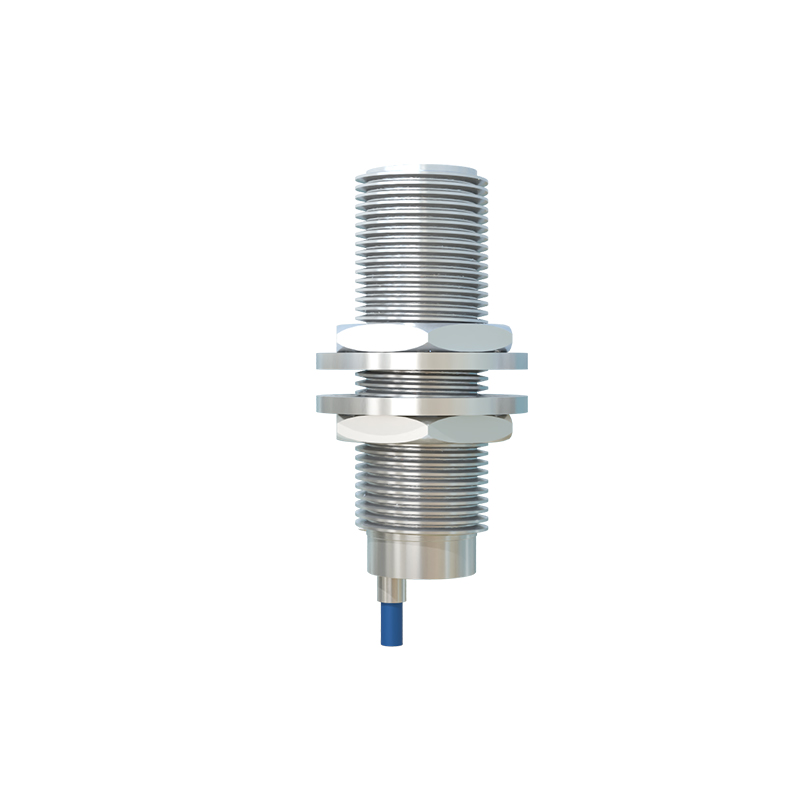
Photoelectric sensors, sometimes categorized under proximity sensing, use light beams. An emitter sends out a beam of light (visible, infrared, or laser), and a receiver detects the light. The sensor triggers an output when the beam is interrupted (opposed mode) or when reflected light from a target is received (retro-reflective or diffuse mode). They offer very long sensing ranges and can detect small objects precisely.
Magnetic proximity sensors, often called reed switches or Hall-effect sensors, detect the presence of a permanent magnet. They are simple, cost-effective, and used in applications like door and window position sensing, or in conjunction with moving machine parts fitted with a magnet.
The selection of a proximity sensor for a specific application depends on multiple factors: the nature of the target material (metal, plastic, liquid), the required sensing distance, the environmental conditions (temperature, presence of contaminants), the required output type (digital ON/OFF, analog, NPN/PNP), and the necessary response speed. Proper installation is also critical, considering factors like mounting, mutual interference between sensors, and the effects of surrounding metal.
In practice, proximity sensors are the silent workhorses of modern manufacturing. On an assembly line, an inductive sensor verifies a metal component is in place before a robotic arm welds it. In a packaging machine, a capacitive sensor ensures a liquid bottle is filled to the correct level. In an automated warehouse, ultrasonic sensors guide autonomous vehicles by measuring distances to walls and racks. Their role in enabling precision, safety, and efficiency is indispensable.
As Industry 4.0 and the Industrial Internet of Things (IIoT) advance, proximity sensors are evolving. Modern sensors often feature integrated intelligence, such as IO-Link communication, which allows for parameter setting, condition monitoring, and diagnostic data reporting directly to a control system. This facilitates predictive maintenance, reduces downtime, and enhances overall system flexibility.
In conclusion, a proximity sensor is far more than a simple switch. It is a sophisticated electronic device that provides a critical interface between the physical world of objects and the digital world of control systems. By offering reliable, non-contact detection, it forms a cornerstone of automated processes, driving productivity and innovation in virtually every sector of industry, from food and beverage to pharmaceuticals, automotive to aerospace. Understanding their definitions, types, and applications is essential for any professional involved in designing, maintaining, or optimizing automated systems.