Proximity sensors are indispensable components in modern industrial automation and control systems. These non-contact devices detect the presence or absence of an object within a specified sensing range without any physical contact. Their ability to operate reliably in harsh environments, coupled with high switching speeds and long operational life, makes them a preferred choice over mechanical limit switches in countless applications. This article delves into the fundamental principles, primary types, key specifications, and practical considerations for selecting and applying proximity sensors.
At its core, a proximity sensor works by emitting an electromagnetic field, beam, or ultrasonic wave and then monitoring for changes in the return signal or field. When a target object enters this field, it causes a detectable change—such as a reduction in oscillation amplitude, a change in capacitance, or a reflection of energy—which the sensor's circuitry converts into a solid-state output signal. This output is typically a switch closure (PNP or NMP transistor) or an analog value proportional to distance.
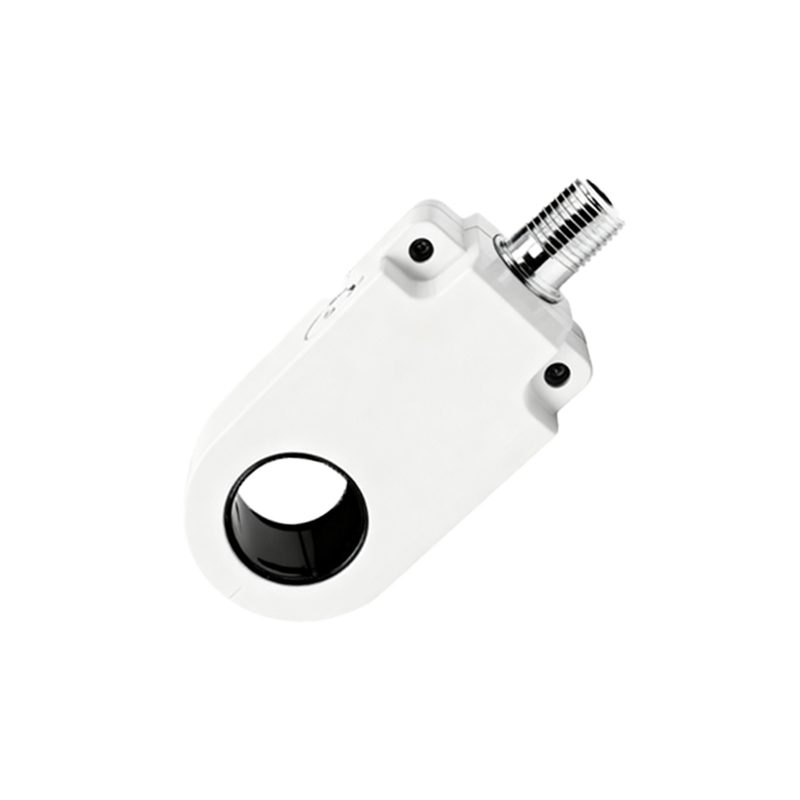
The most common types of proximity sensors are categorized by their underlying sensing technology:
1. Inductive Proximity Sensors: These sensors generate an oscillating electromagnetic field. When a metallic object (ferrous or non-ferrous) enters this field, it induces eddy currents within the target, causing a measurable change in the oscillation amplitude. This change triggers the sensor's output. Inductive sensors are ideal for detecting metals and are widely used in machine tools, automotive assembly, and material handling. They are not suitable for non-metallic materials.
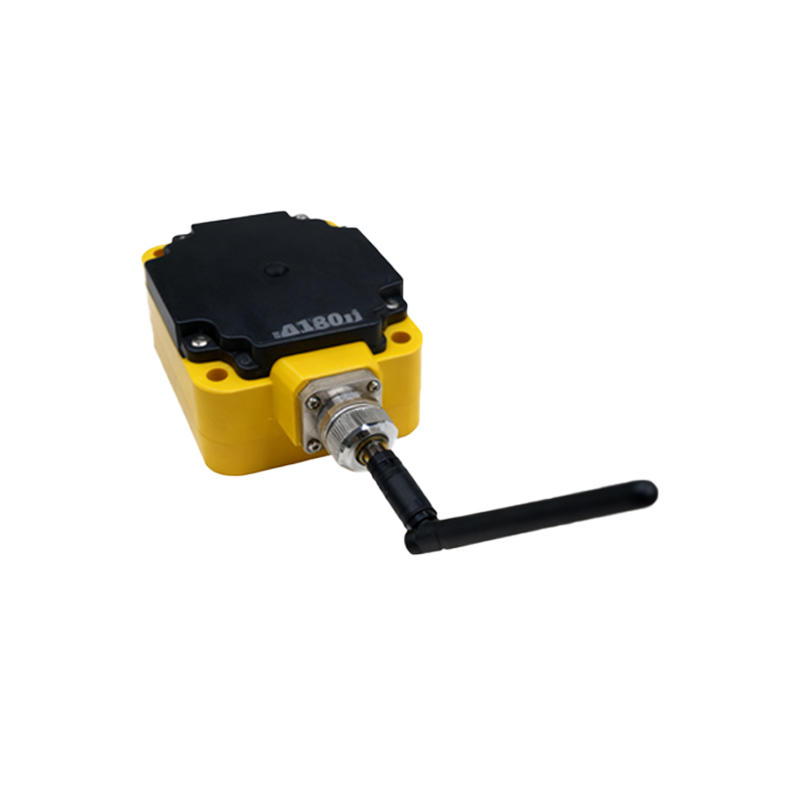
2. Capacitive Proximity Sensors: These sensors can detect both metallic and non-metallic objects (plastics, wood, liquids, granules) by measuring changes in capacitance. The sensor forms one plate of a capacitor, the target object forms the other, and the air gap is the dielectric. As a target approaches, the capacitance increases until it reaches a threshold that triggers the output. They are perfect for level detection in tanks, material handling of non-metals, and touch-sensitive interfaces.
3. Ultrasonic Proximity Sensors: These sensors emit high-frequency sound waves and evaluate the echo received after reflection from a target. By calculating the time interval between sending the signal and receiving the echo, the sensor can determine the distance to the object. They are excellent for detecting objects of virtually any material, shape, or color, and are commonly used for distance measurement, level sensing of bulk materials, and collision avoidance.
4. Photoelectric Sensors: While often considered a separate category, photoelectric sensors function as proximity devices. They use a light emitter (usually LED) and a receiver. The presence of an object is detected by either the interruption (through-beam) or reflection (retro-reflective, diffuse) of the light beam. They offer very long sensing ranges and can detect tiny objects.
Key specifications to consider when selecting a proximity sensor include:
Sensing Range: The maximum distance at which the sensor can reliably detect a standard target.
Target Material: The composition of the object to be detected (e.g., steel, aluminum, plastic, liquid).
Output Type: Digital (NPN sinking, PNP sourcing, NO/NC) or analog (4-20mA, 0-10V).
Housing and Size: Cylindrical (threaded) or rectangular shapes, with specific IP (Ingress Protection) ratings for environmental durability against dust and water.
Switching Frequency: The maximum number of on/off cycles per second, critical for high-speed applications.
Electrical Connection: Pre-wired cable or quick-disconnect connectors.
In application, proper installation is crucial. Factors like mounting (flush or non-flush for inductive sensors), surrounding metal, sensor-to-sensor spacing, and environmental conditions (temperature, chemicals, vibration) must be accounted for to prevent false triggers or reduced sensing performance. Always refer to the manufacturer's datasheet for specific mounting and wiring instructions.
The advantages of proximity sensors are numerous: no physical wear from contact, high reliability and speed, suitability for dirty or wet conditions, and the ability to detect fragile objects. Their primary limitations are sensing range constraints (especially for inductive types) and potential interference from aggressive environmental factors like strong electromagnetic fields for inductive sensors or acoustic noise for ultrasonic sensors.
In conclusion, proximity sensors are vital for enabling precise, reliable, and efficient automation. Understanding the different technologies and their respective strengths allows engineers and technicians to make informed selections, ensuring optimal performance in applications ranging from simple object detection to complex positioning and quality control systems. Always match the sensor technology to the target material, environmental conditions, and required performance specifications for a successful implementation.