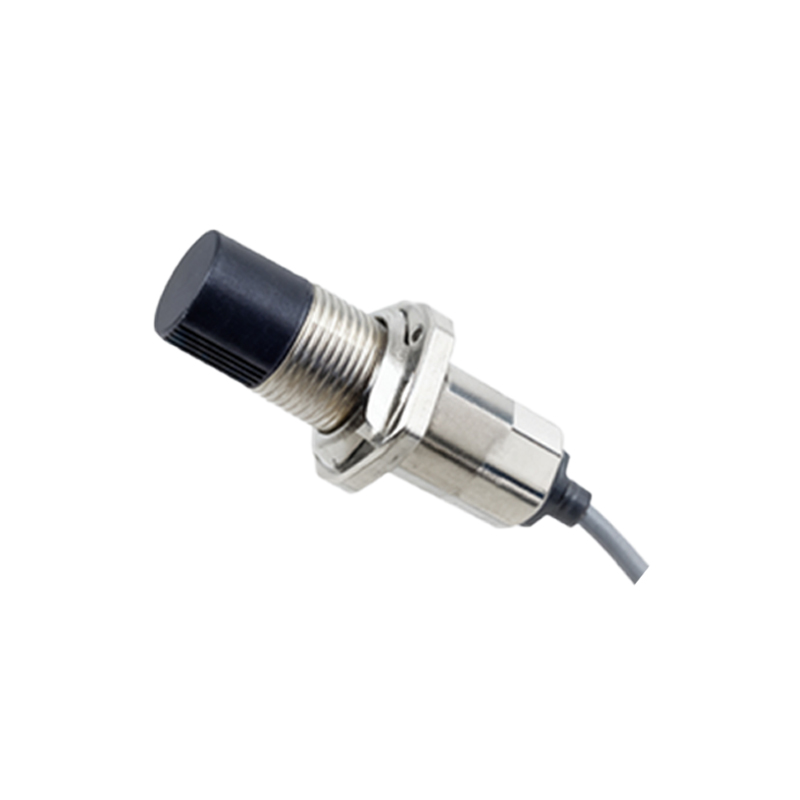
Square proximity sensors are widely used in industrial automation for detecting the presence or absence of objects without physical contact. Proper installation is crucial to ensure reliable operation, longevity, and safety. This guide outlines key installation methods, considerations, and best practices for square proximity sensors in various applications.
First, understand the sensor's specifications. Square proximity sensors typically come in inductive or capacitive types. Inductive sensors detect metallic objects, while capacitive sensors can detect both metallic and non-metallic materials. Check the rated operating distance, voltage, current, and environmental ratings (e.g., IP67 for dust and water resistance) before installation.
Mounting the sensor correctly is essential. Square sensors often feature threaded holes or mounting brackets for secure attachment. Ensure the sensor is aligned parallel to the target object's surface to maximize detection range and accuracy. Avoid mounting near metal surfaces or other sensors that could cause interference, as this may lead to false triggers or reduced sensitivity. Maintain the recommended gap between the sensor and target, usually specified as a percentage of the nominal sensing distance (e.g., 70-80% for optimal performance).
Wiring must adhere to electrical standards. Most square proximity sensors have three or four wires: brown for positive voltage, blue for negative or ground, black for output signal, and sometimes white for complementary output or diagnostics. Use shielded cables in environments with high electromagnetic interference (EMI) to prevent signal noise. Connect the sensor to a stable power supply within its voltage range (commonly 10-30V DC), and ensure proper grounding to avoid electrical surges or damage.
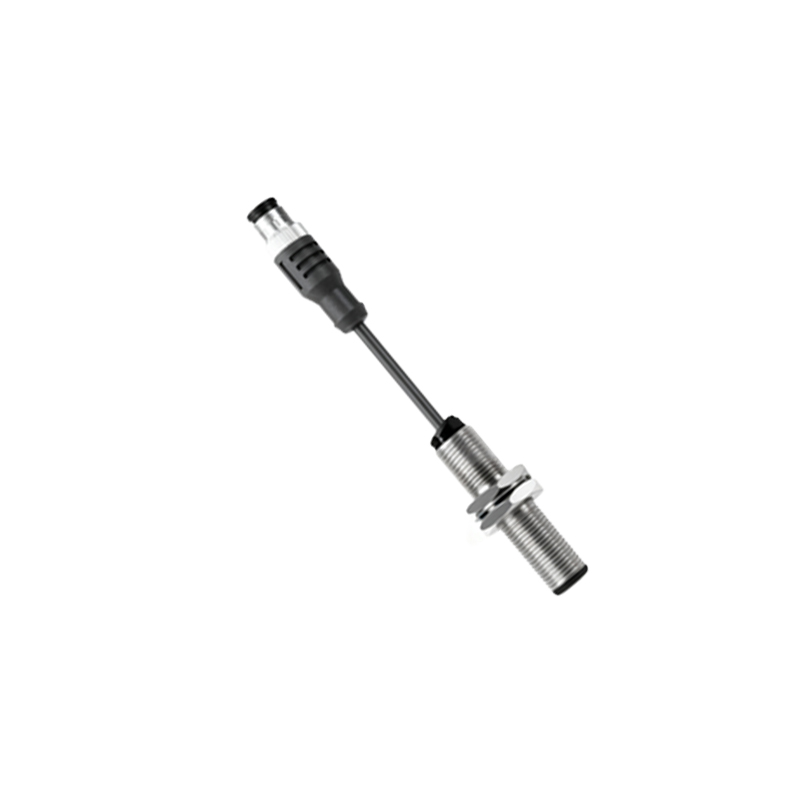
Environmental factors play a significant role. Install sensors away from extreme temperatures, direct sunlight, or corrosive substances that could degrade housing materials. For harsh conditions, choose sensors with robust enclosures (e.g., stainless steel or high-grade plastics) and appropriate ingress protection ratings. Regularly clean the sensor face to prevent dust, oil, or debris buildup, which can impair detection capabilities.
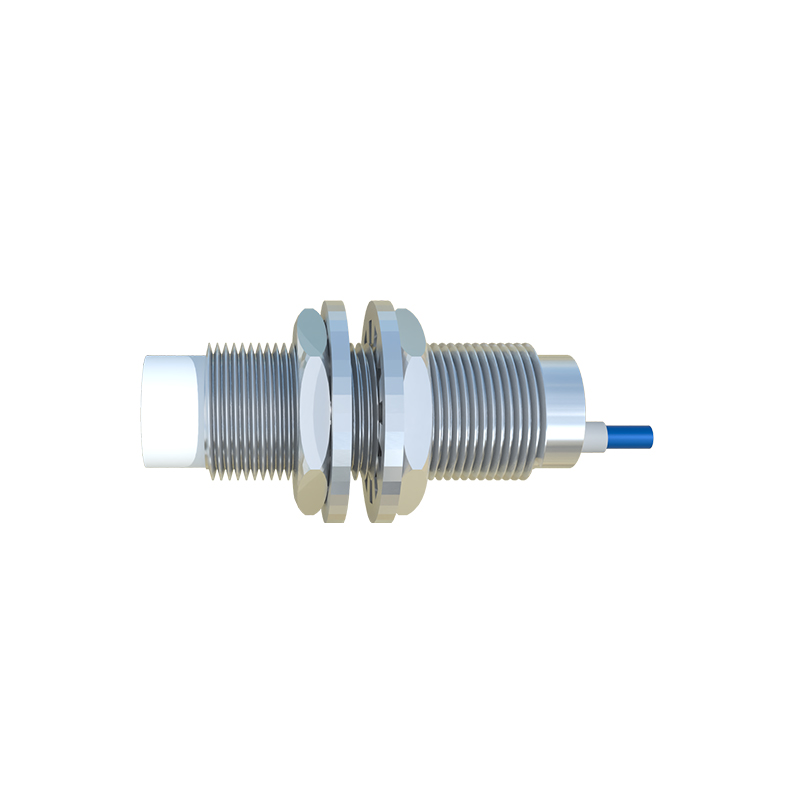
Testing and calibration are vital post-installation steps. Use a target object similar to the actual application material to verify detection consistency. Adjust the sensor's sensitivity potentiometer, if available, to fine-tune response for varying object sizes or distances. Implement fail-safe measures, such as redundant sensors or monitoring circuits, in critical systems to enhance reliability.
In summary, successful installation of square proximity sensors involves careful planning, precise mounting, proper wiring, and environmental protection. By following these guidelines, engineers can optimize sensor performance, reduce downtime, and improve overall automation efficiency. Always refer to the manufacturer's manual for model-specific instructions and updates.