In modern industrial automation, laser sensors have become indispensable components for precision measurement, object detection, and quality control. Their ability to deliver high-accuracy, non-contact sensing makes them ideal for demanding environments. However, to fully leverage their capabilities, effective programming is essential. This article explores key programming considerations for laser sensors, focusing on integration, parameter configuration, and data handling.
The first step in programming a laser sensor involves selecting the appropriate communication protocol. Most industrial laser sensors support standard interfaces such as IO-Link, Ethernet/IP, PROFINET, or Modbus TCP. The choice depends on the existing control architecture. For instance, in a PLC-based system, configuring the sensor via Ethernet/IP allows seamless data exchange with Rockwell Automation controllers. Programmers must ensure the sensor's IP settings match the network configuration and establish correct tag structures for data mapping.
Parameter configuration is critical for optimizing sensor performance. Key parameters include measurement range, response time, and output logic. For example, setting the measurement range too wide may reduce resolution, while too narrow a range could cause missed detections. Many sensors offer software tools for configuration, such as proprietary suites or web-based interfaces. Through these tools, engineers can calibrate the sensor, set thresholds for binary outputs, and enable filtering algorithms to reduce noise. Advanced features like background suppression or teach-in functions often require specific command sequences, which must be precisely implemented in the program.
Data handling strategies vary based on application needs. In high-speed sorting systems, laser sensors often stream distance or presence data to a central controller. Programming should include error-checking routines to handle signal loss or outliers. For analog sensors, scaling raw values to engineering units (e.g., millimeters or inches) is necessary. This can be done in the sensor itself or within the PLC program using linear transformation functions. Additionally, integrating sensor data with HMIs or SCADA systems requires formatting outputs into readable tags and setting up alarm triggers for deviations.
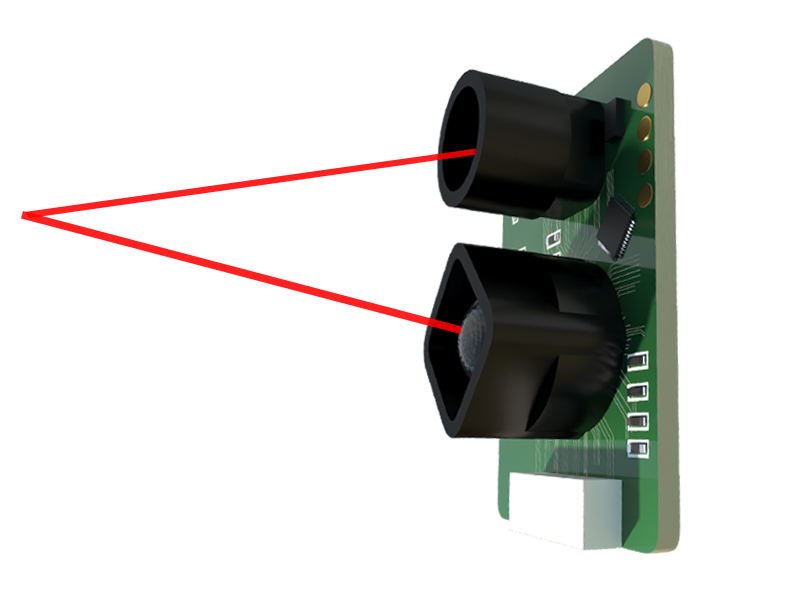
Another aspect is synchronization in multi-sensor setups. In complex automation lines, multiple laser sensors may operate concurrently. Programming must manage timing to avoid interference, using techniques like hardware triggers or software-based polling cycles. For instance, a gating signal from a master PLC can coordinate measurement cycles across sensors, ensuring consistent data acquisition.
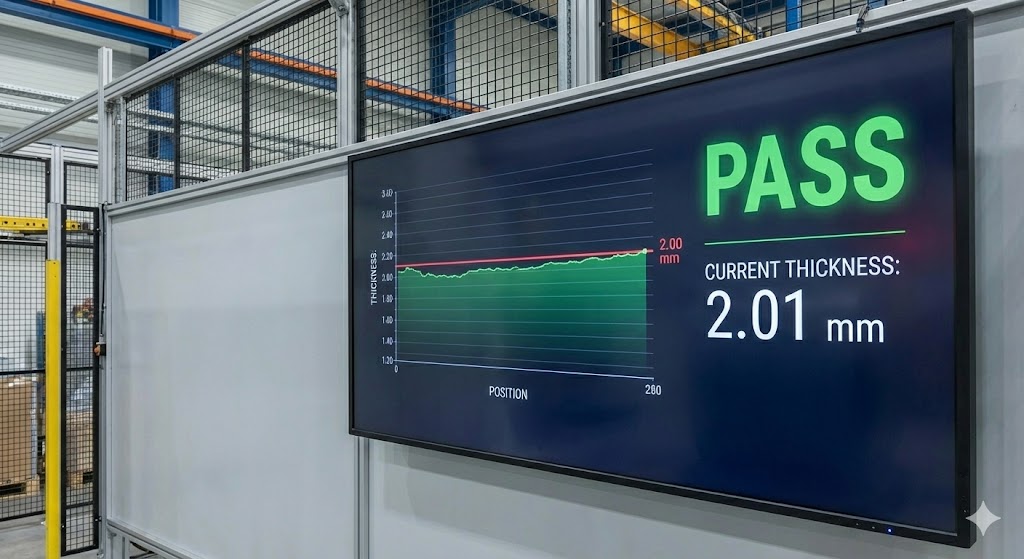
Maintenance and diagnostics programming also play a vital role. Implementing routines for automatic calibration checks or drift compensation enhances long-term reliability. Many sensors provide diagnostic data (e.g., temperature, signal strength) that can be monitored via program logic to predict failures. Logging this data to a database facilitates predictive maintenance.
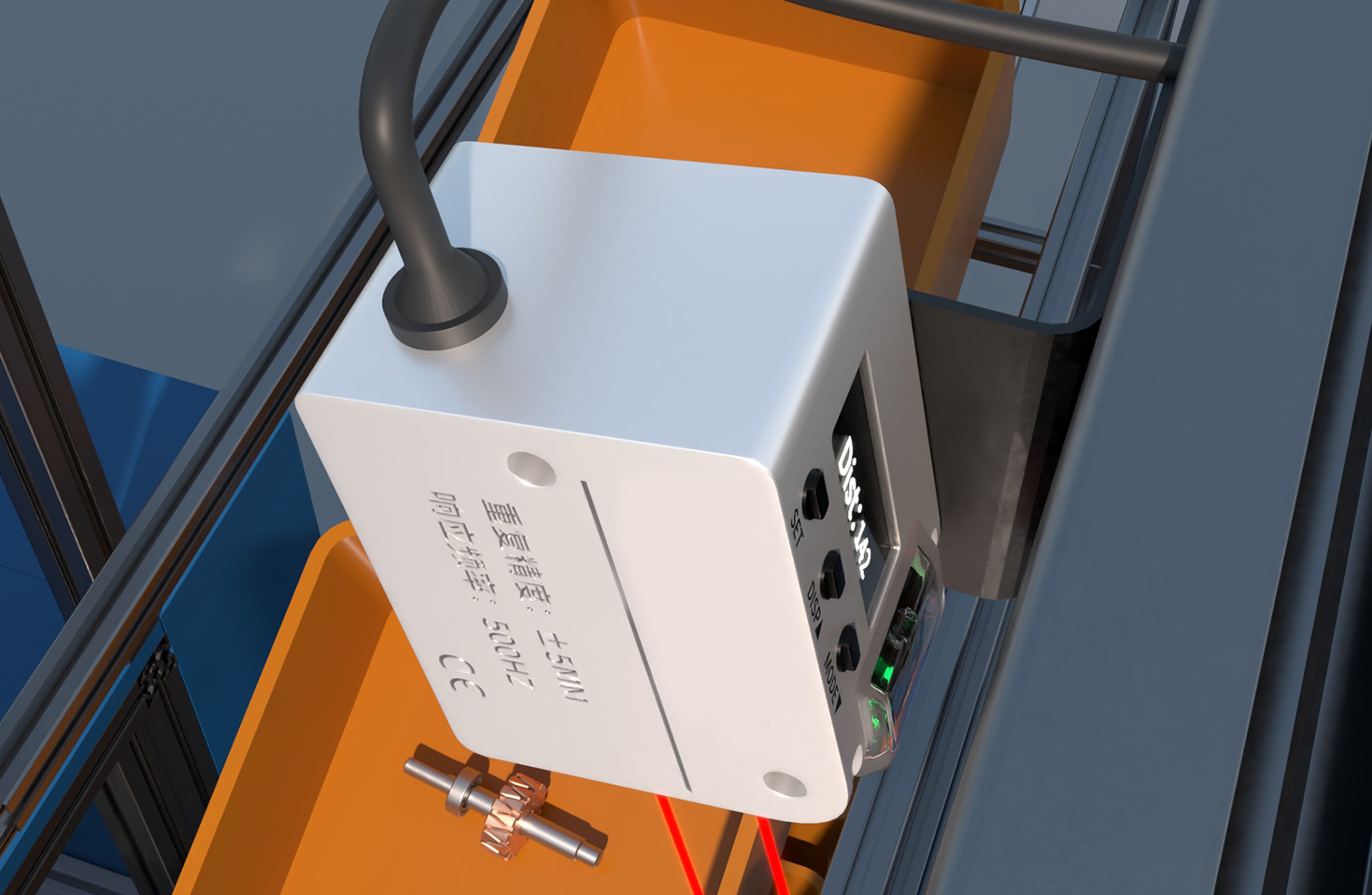
In summary, programming laser sensors requires a blend of hardware knowledge and software skills. By focusing on protocol integration, precise parameter tuning, robust data processing, and system synchronization, engineers can unlock the full potential of these devices. As Industry 4.0 advances, leveraging smart sensor features through adept programming will continue to drive efficiency and innovation in industrial automation.