Proximity sensors are integral components in modern lighting systems, enabling automated control, energy efficiency, and enhanced user experience. However, like any electronic device, they are prone to failures that can disrupt operations. As an electrical engineer with extensive field experience, I aim to outline common causes, diagnostic methods, and practical solutions for proximity sensor malfunctions in lighting instruments.
One prevalent issue is environmental interference. Dust, moisture, or extreme temperatures can impair sensor performance. For instance, in outdoor lighting, humidity may cause condensation on sensor surfaces, leading to false triggers or unresponsiveness. Similarly, industrial settings with high particulate matter can clog sensors, reducing their sensitivity. Regular maintenance, including cleaning and sealing, is crucial to mitigate these effects.
Electrical faults are another major concern. Voltage spikes, wiring defects, or power supply inconsistencies can damage sensor circuits. In my practice, I’ve often traced failures to improper grounding or electromagnetic interference from nearby equipment. Using shielded cables and surge protectors can prevent such problems. Additionally, verifying the sensor’s voltage ratings and ensuring stable power inputs are essential steps during installation.
Sensor misalignment or mechanical wear also leads to failures. Over time, mounting brackets may loosen, altering the detection range. In automated lighting systems, this can result in erratic behavior, such as lights turning on/off unexpectedly. Calibration checks during routine inspections help maintain accuracy. For wear-related issues, replacing components like lenses or housings may be necessary.
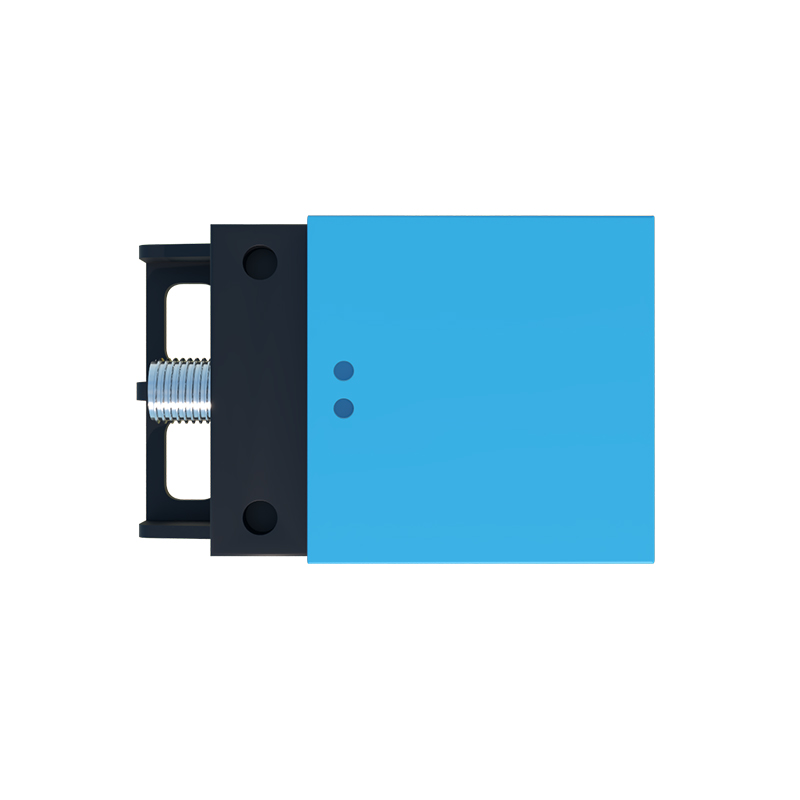
Diagnosing sensor failures requires a systematic approach. Start with visual inspections for physical damage or contamination. Next, use a multimeter to test electrical continuity and signal output. Many modern sensors feature diagnostic LEDs or communication protocols (e.g., Modbus, DALI) for troubleshooting. Logging data from control systems can also reveal patterns, such as intermittent faults linked to specific conditions.
In terms of solutions, selecting robust sensors suited to the environment is key. For harsh areas, opt for IP-rated or corrosion-resistant models. Implementing redundancy, like dual-sensor setups, can enhance reliability in critical applications. Firmware updates from manufacturers may address software glitches, while proper training for maintenance staff ensures timely interventions.
Ultimately, proactive measures reduce downtime and costs. Documenting failure histories and sharing insights across teams fosters continuous improvement. By understanding these factors, engineers can design and maintain lighting systems that are both efficient and resilient.