In the rapidly evolving landscape of industrial automation and smart technology, a question occasionally surfaces among design engineers and maintenance professionals: Are proximity sensors being phased out or disabled? The short and definitive answer is no. Far from being obsolete, these workhorses of factory floors and machinery continue to be indispensable. However, the context of their application is undergoing a significant transformation, driven by the rise of the Industrial Internet of Things (IIoT), Industry 4.0, and advanced vision systems. This article explores the enduring role of proximity sensors and clarifies the misconceptions surrounding their supposed decline.
Proximity sensors, in their inductive, capacitive, ultrasonic, and photoelectric variants, are fundamental components for non-contact object detection. Their primary strengths are unwavering reliability, simplicity, robustness in harsh environments, and fast response times. For critical tasks like counting, positioning, limit detection, or checking for the presence of a metal part on a high-speed conveyor, a rugged inductive proximity sensor often remains the most cost-effective and foolproof solution. Their "set-and-forget" nature and ability to operate in conditions filled with dust, oil, and vibration are attributes that newer technologies often struggle to match at a comparable price point.
So, where does the notion of "disabling" come from? It stems from shifts in system architecture and capability, not from the sensors themselves being turned off.
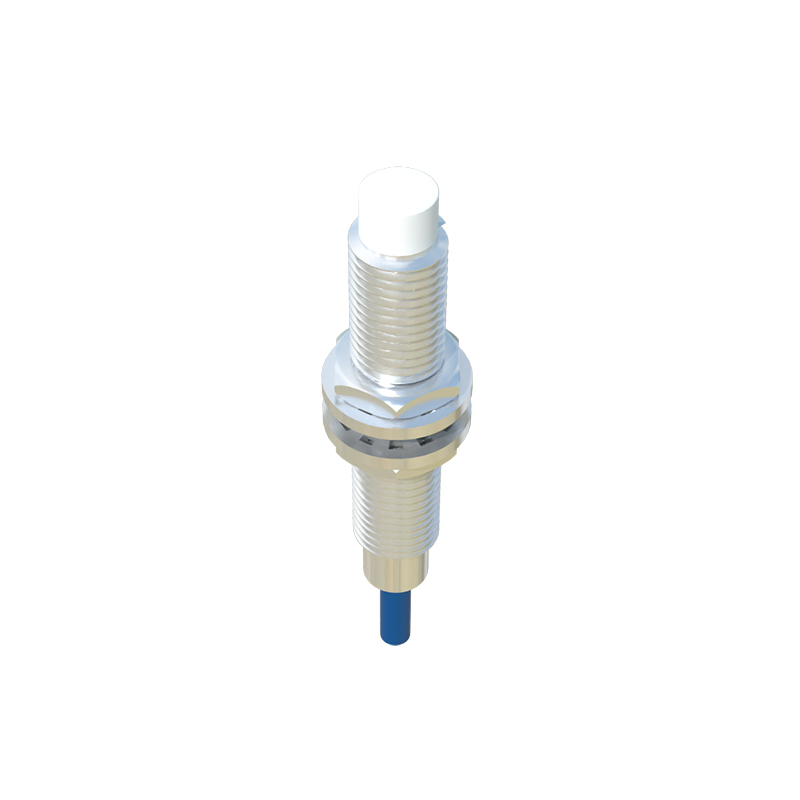
Firstly, the integration with IIoT is a key factor. Modern proximity sensors are increasingly "smart." They come equipped with IO-Link, a point-to-point serial communication protocol that allows them to transmit far more data than a simple on/off switch signal. Through IO-Link, a sensor can relay its operating status, temperature, signal strength, and diagnostic information to a central controller. In sophisticated setups, this data is used for predictive maintenance—alerting operators to a weakening sensor before it fails. The core detection function remains active and critical, but the sensor is now a data node within a larger network. It is not disabled; it is enhanced and more visible to the system.
Secondly, the proliferation of machine vision and LiDAR (Light Detection and Ranging) systems has created alternative methods for detection and measurement. Vision systems offer unparalleled flexibility, capable of complex tasks like shape recognition, quality inspection, and precise dimensional analysis. In some advanced robotic applications, a vision system might guide a robot arm, reducing the need for multiple fixed proximity sensors for positioning. However, this is not a direct replacement but a shift in technological choice for specific, complex applications. For a simple "part present/absent" check, a vision system is often overkill in terms of cost, complexity, and processing power. Proximity sensors excel in these high-volume, simple logic roles.
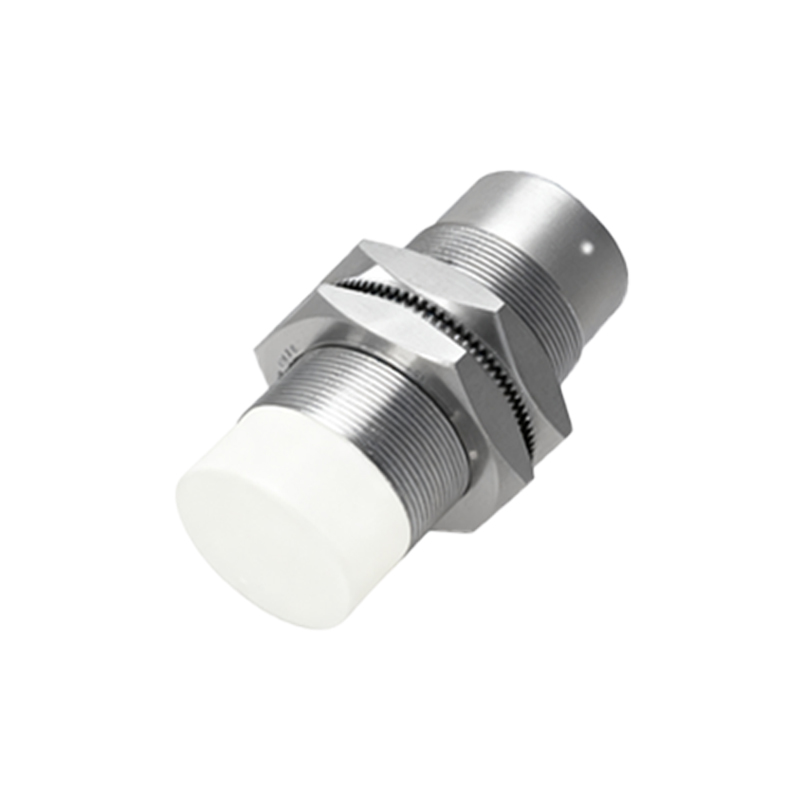
Thirdly, the concept of "soft sensing" or sensor fusion can create confusion. In some advanced control algorithms, data from multiple sensors (including proximity sensors) is fused with data from motor drives, encoders, and other devices to create a virtual or inferred measurement. In such a model, the raw signal from a single proximity sensor might be one input among many. Its importance is contextualized within software, but its physical function is still essential. Disabling the physical sensor would break the data chain.
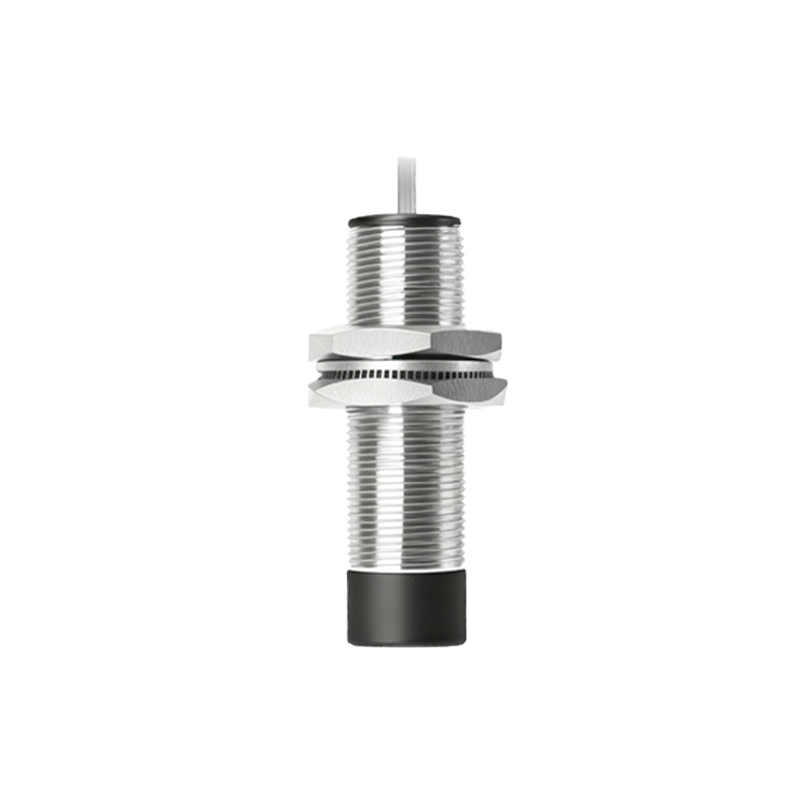
The real evolution is not about disabling proximity sensors but about making them more intelligent and connected. The demand is shifting from basic, discrete devices to intelligent sensing solutions. Manufacturers are responding with sensors that have built-in diagnostics, longer sensing ranges, higher noise immunity, and easier configurability. For instance, the ability to adjust the sensing distance or output mode via software, rather than a potentiometer, is a significant advancement that reduces downtime.
Furthermore, in safety-critical applications, proximity sensors (often as part of a safety interlock system) are governed by strict standards (e.g., IEC 60947-5-2). These devices cannot be arbitrarily "disabled" without compromising the entire safety circuit and violating regulations. Their function is hardwired into the machine's safety design.
In conclusion, proximity sensors are not being phased out or disabled. Their fundamental role in providing reliable, real-world binary data remains as crucial as ever. The narrative is one of convergence and augmentation. They are becoming smarter, more communicative, and are taking their place as vital data sources within the interconnected ecosystem of modern industrial automation. The engineer's toolbox is expanding; we are not removing the wrench, we are adding a digital torque meter to it. The future belongs to systems that leverage the brute-force reliability of traditional sensors like the proximity sensor, enhanced by the data-rich capabilities of modern communication protocols, working in concert with higher-level vision and control systems to create more efficient, flexible, and intelligent operations.