Proximity sensors are essential components in modern industrial automation, robotics, and safety systems. They detect the presence or absence of objects without physical contact, offering reliability and longevity. This guide provides a comprehensive overview of major proximity sensor types, complete with illustrative images to aid in identification and selection.
Inductive Proximity Sensors are widely used for detecting metallic objects. They generate an electromagnetic field and sense changes caused by metallic targets. Typical sensing ranges vary from a few millimeters to about 60 mm. Common housing styles include cylindrical (e.g., M8, M12, M18, M30 threaded barrels) and rectangular block forms. They are ideal for metal detection in machinery, such as counting gears or monitoring piston position.
Capacitive Proximity Sensors can detect both metallic and non-metallic materials, including liquids, plastics, wood, and granular substances. They work by measuring changes in capacitance. These sensors often have a larger sensing range compared to inductive types and may feature sensitivity adjustment potentiometers. Typical applications include level detection in tanks, material handling, and presence sensing of non-metallic objects.
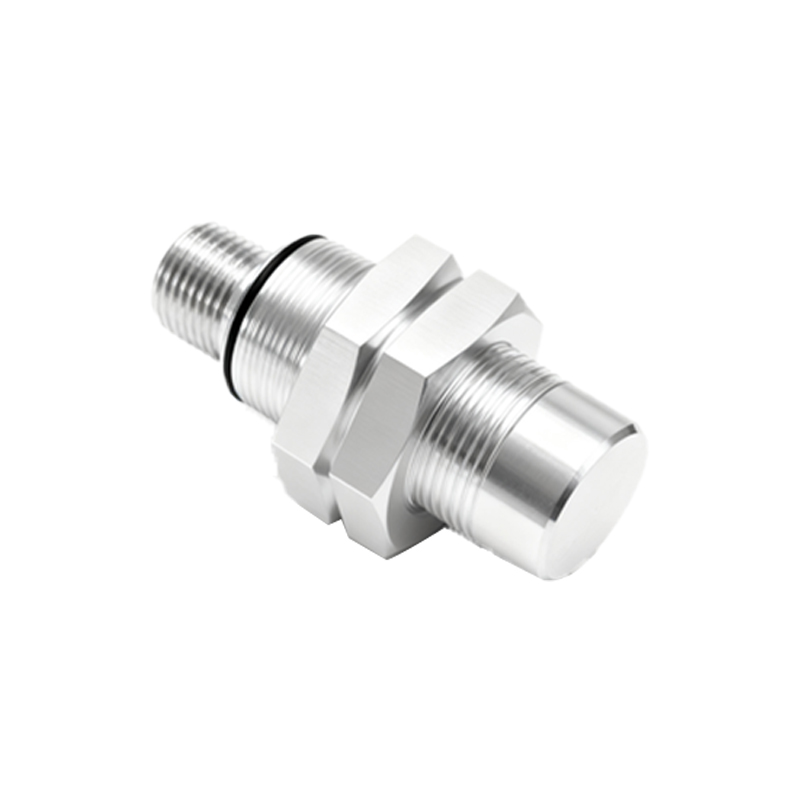
Ultrasonic Proximity Sensors use sound waves beyond human hearing to detect objects. They emit ultrasonic pulses and measure the time for the echo to return. These sensors can detect objects regardless of color, transparency, or material, and are effective over longer distances (from centimeters to several meters). Common designs include compact cylindrical housings and larger rectangular units. They are frequently used in parking assistance systems, liquid level control, and object profiling.
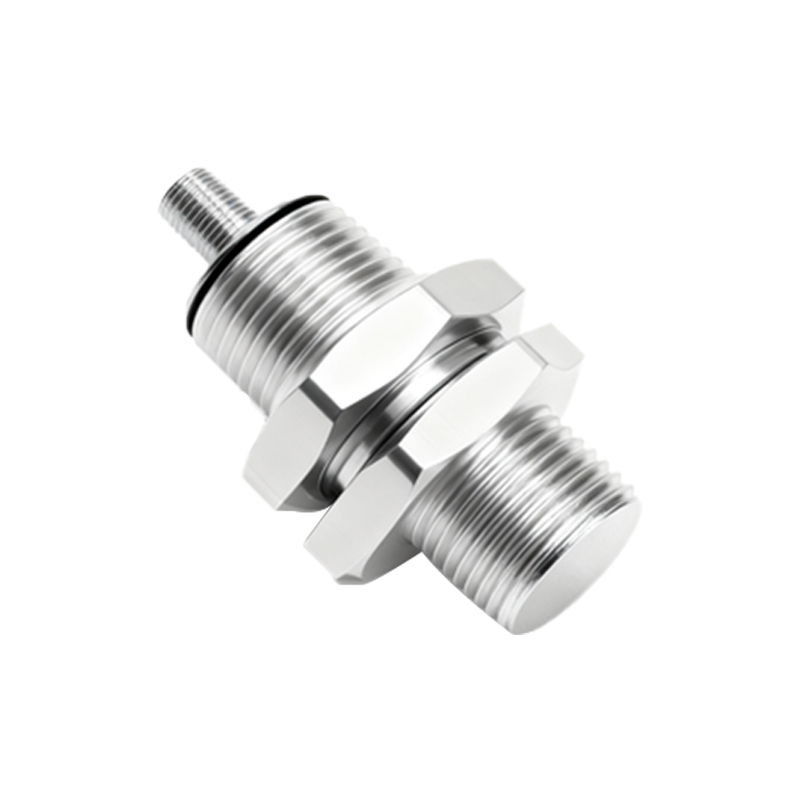
Photoelectric Sensors operate by emitting a light beam (visible, infrared, or laser) and detecting its reflection or interruption. They are categorized into three main types: through-beam (separate emitter and receiver), retro-reflective (uses a reflector), and diffuse (reflective). Photoelectric sensors offer long sensing ranges, sometimes exceeding 100 meters for through-beam types. They are versatile for detecting various objects, including transparent materials, and are common in packaging, conveyor systems, and automated doors.
Magnetic Proximity Sensors (Reed Switches or Hall Effect sensors) detect the presence of a magnetic field, typically from a permanent magnet. Reed switches are sealed in glass tubes and are often used in simple on/off applications. Hall Effect sensors provide digital or analog output and can sense magnetic field strength. These sensors are commonly found in cylinder position sensing, door/window security systems, and speed detection.
Each sensor type has distinct characteristics. Inductive sensors are robust and immune to environmental factors like dust but only work with metals. Capacitive sensors are versatile but can be influenced by humidity or temperature changes. Ultrasonic sensors perform well in harsh conditions but may be affected by air turbulence. Photoelectric sensors are highly accurate but require a clean lens. Magnetic sensors are simple and low-power but require a magnet on the target.
Selection depends on factors like target material, required sensing distance, environmental conditions (dust, moisture, temperature), output type (PNP/NPN, analog, IO-Link), and electrical requirements. Proper installation, considering mounting, shielding, and cable routing, is crucial for optimal performance.
In summary, understanding the different proximity sensor types and their visual identifiers is key to successful integration. With advancements in technology, sensors now offer enhanced features like embedded diagnostics, longer ranges, and improved resistance to interference, driving efficiency and innovation across industries.