In the rapidly evolving landscape of industrial automation, the demand for reliable, space-efficient sensing solutions has never been higher. Small photoelectric proximity sensors have emerged as a pivotal technology, offering precise detection capabilities in a remarkably compact form factor. These devices operate on the fundamental principle of using a light emitter, typically an LED or laser diode, and a receiver to detect the presence or absence of an object without physical contact. The emitted light beam, when interrupted or reflected by a target, triggers a change in the receiver's output, enabling seamless integration into automated systems.
One of the most significant advantages of small photoelectric sensors is their versatility. Available in various sensing modes—including through-beam, retro-reflective, and diffuse reflective—they can be tailored to diverse applications. Through-beam sensors, with separate emitter and receiver units, provide long sensing distances and high immunity to environmental interference. Retro-reflective types utilize a reflector to bounce light back to the receiver, simplifying installation in constrained spaces. Diffuse reflective sensors, where the emitter and receiver are housed together, detect objects by measuring the light reflected directly from the target, making them ideal for color or surface recognition tasks.
The miniaturization of these sensors does not compromise performance. Modern designs incorporate advanced optics and integrated circuits, enhancing sensitivity and response times. Many models now feature background suppression technology, which allows them to ignore distant objects or ambient light, ensuring accurate detection even in challenging conditions. Additionally, the adoption of infrared, visible red, or laser light sources enables customization based on application-specific requirements, such as detecting transparent materials or operating in dusty environments.
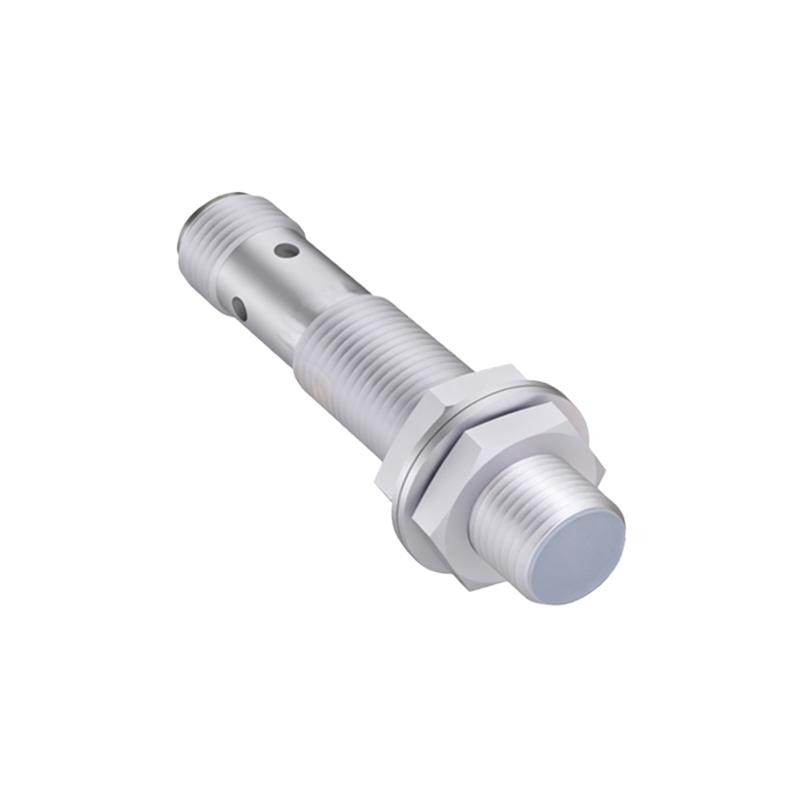
Electrical engineers appreciate the ease of integration offered by small photoelectric sensors. With standard output options like PNP, NPN, or analog signals, they interface seamlessly with PLCs, microcontrollers, and other control systems. Their rugged construction, often rated IP67 or higher, ensures durability in harsh industrial settings, resisting moisture, vibration, and temperature fluctuations. Energy-efficient designs further reduce operational costs, aligning with sustainability goals in manufacturing.
Applications span across multiple industries. In packaging lines, these sensors verify label placement or count products on high-speed conveyors. In robotics, they provide precise positioning feedback for assembly arms. The electronics sector relies on them for PCB inspection, while automotive manufacturers use them to monitor component alignment. Even in consumer devices, such as automated dispensers or smart home systems, small photoelectric sensors enable touchless interactions and safety features.
Selecting the right sensor involves considering factors like sensing distance, target material, and environmental conditions. Engineers must evaluate the object's size, color, and reflectivity, as well as potential obstacles like fog or debris. Regular maintenance, including lens cleaning and alignment checks, ensures long-term reliability. As Industry 4.0 advances, the integration of IO-Link communication in these sensors facilitates predictive maintenance and real-time data exchange, boosting overall system intelligence.
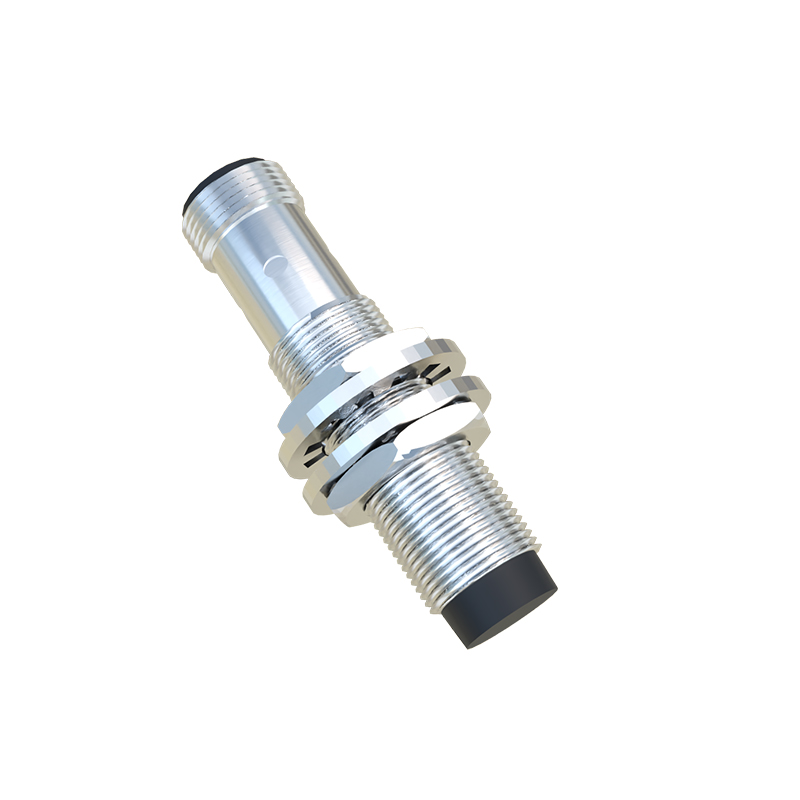
In conclusion, small photoelectric proximity sensors represent a critical enabler of modern automation. Their compact design, coupled with robust performance, makes them indispensable for enhancing efficiency, safety, and precision in industrial and commercial applications. As technology progresses, we can anticipate further innovations, such as enhanced connectivity and AI-driven adaptive sensing, solidifying their role in the smart factories of the future.