In the demanding environments of modern industrial automation, proximity sensors are indispensable components, tasked with detecting the presence or absence of objects without physical contact. Their reliability is paramount, and one of the most critical factors influencing their longevity and performance is their ability to withstand exposure to liquids, dust, and other contaminants. This article delves into the core international waterproof testing standards that define the ingress protection (IP) ratings for proximity sensors, providing electrical engineers with a clear framework for selection, application, and validation.
The cornerstone of waterproof and dustproof evaluation is the International Electrotechnical Commission (IEC) standard 60529, often mirrored by regional equivalents like the European EN 60529. This standard establishes the IP Code, a two-digit classification system that precisely defines the degrees of protection provided by enclosures. For proximity sensors, understanding this code is non-negotiable.
The first digit of the IP code indicates the level of protection against solid objects, ranging from 0 (no protection) to 6 (dust-tight). For most industrial sensor applications, a rating of at least IP6X is recommended to prevent fine particulate matter from interfering with internal electronics. The second digit, which is the primary focus for waterproofing, specifies protection against liquids. It scales from 0 (no protection) to 9K (protection against high-pressure, high-temperature jet sprays). Key ratings for proximity sensors include:
IPX4: Protection against water splashes from any direction. Suitable for general indoor use where occasional incidental splashing may occur.
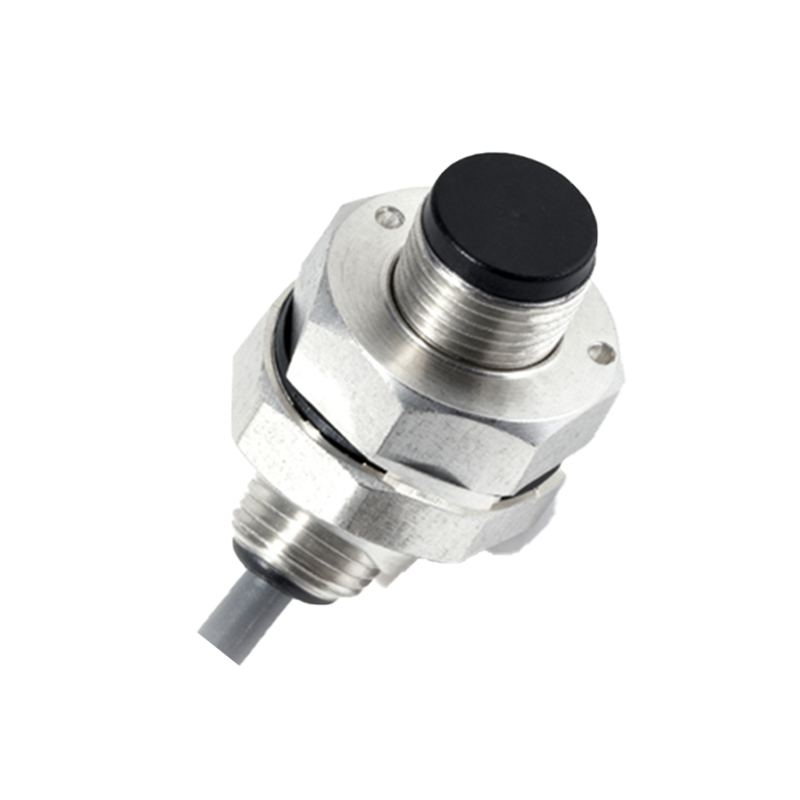
IPX6: Protection against powerful water jets. Sensors with this rating can withstand direct, high-pressure washing, common in food and beverage or pharmaceutical manufacturing clean-in-place (CIP) processes.
IPX7: Protection against temporary immersion in water (up to 1 meter for 30 minutes). This is crucial for sensors that may be subjected to flooding or deep cleaning cycles.
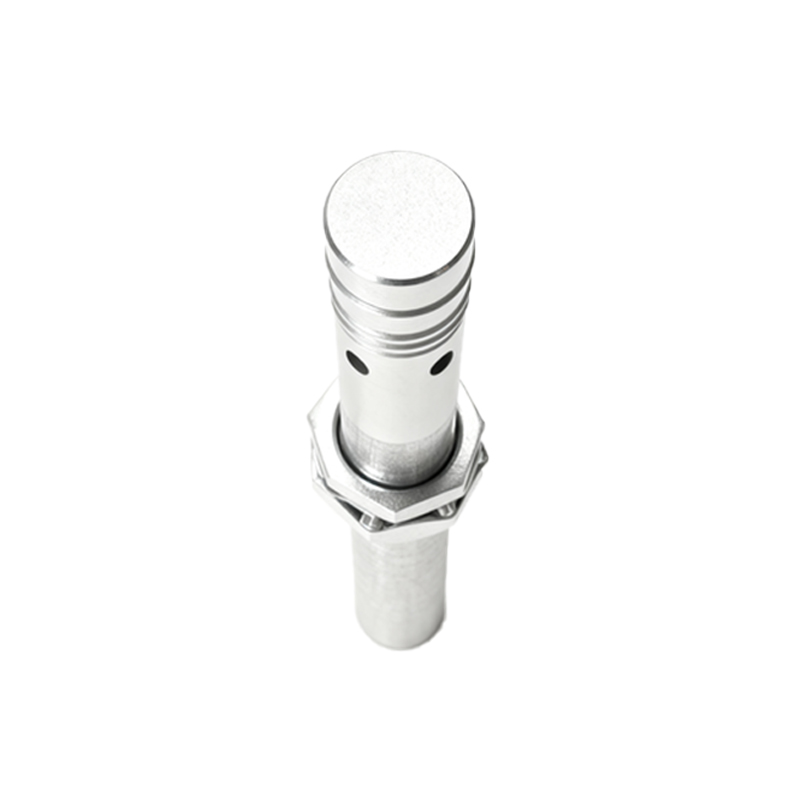
IPX8: Protection against continuous immersion under conditions specified by the manufacturer (e.g., greater depth and time than IPX7). Essential for submersible applications.
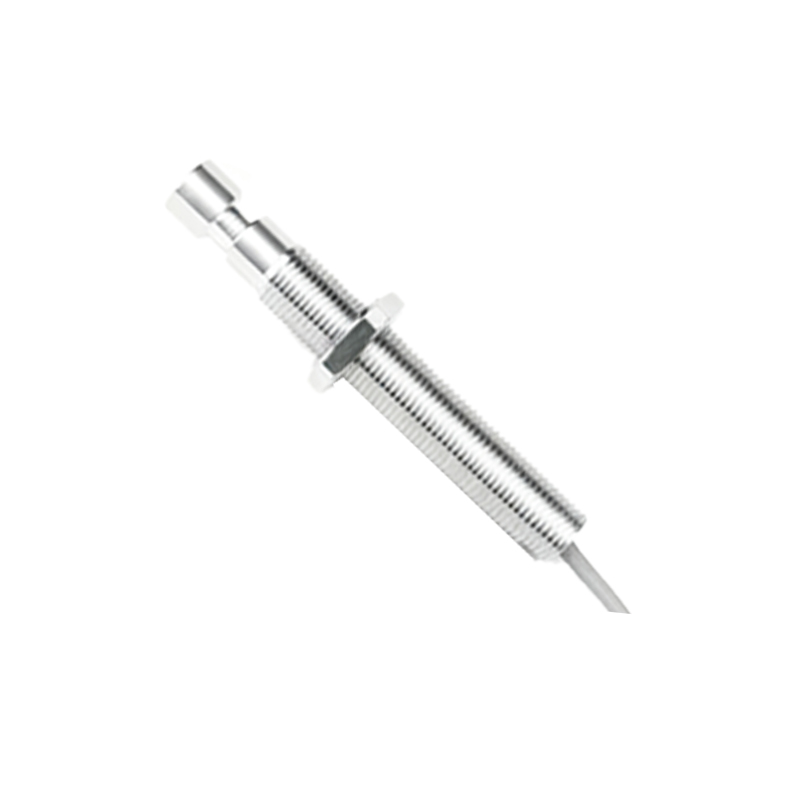
IPX9K: Protection against close-range, high-pressure, high-temperature spray downs. This is the highest standard for washdown environments, such as in heavy industrial cleaning or vehicle wash systems.
Beyond the basic IP code, other standards come into play for specific environmental stresses. The IEC 60068-2 series outlines various environmental testing procedures. For instance, IEC 60068-2-1 (Cold) and IEC 60068-2-2 (Dry Heat) test operational limits, while IEC 60068-2-30 (Damp Heat, Cyclic) assesses performance in humid, condensing environments—a condition that can be more insidious than direct water exposure.
For North American markets, the National Electrical Manufacturers Association (NEMA) ratings, particularly Types 4, 4X, 6, and 6P, are also prevalent. While not directly equivalent, a NEMA 4X enclosure (which adds corrosion resistance) generally corresponds to at least IP66. Engineers must consult cross-reference charts to ensure compliance with local requirements.
When specifying a proximity sensor for a project, the intended operating environment must be meticulously analyzed. Consider these factors:
Type of Liquid: Is it water, oil, coolant, or a chemical? Material compatibility (e.g., stainless steel housing, specific seal types) is as important as the IP rating.
Pressure and Temperature: High-pressure washdown (IP6X/IPX9K) differs greatly from simple drip protection (IPX1).
Cyclic Exposure: Will the sensor face repeated thermal shocks from hot washdowns followed by cool ambient air? This can degrade seals over time.
Long-Term Reliability: An IP rating is typically a certification for a new product. Real-world longevity depends on seal quality, housing material, and installation practices (e.g., proper tightening torque on conduit entries).
Testing to these standards is rigorous. Authorized laboratories subject sensor samples to controlled and calibrated dust chambers, water spray nozzles, immersion tanks, and steam jet cleaning appliances. The sensor must remain fully functional and show no ingress of harmful quantities of water or dust upon completion of the test.
In conclusion, the waterproof capability of a proximity sensor is not a vague feature but a precisely quantifiable characteristic defined by international standards. A thorough understanding of IEC 60529 IP ratings, supplemented by knowledge of complementary IEC 60068 tests and regional standards like NEMA, empowers electrical engineers to make informed, reliable selections. By matching the correct protection rating to the environmental challenge, engineers ensure system robustness, minimize downtime, and extend the service life of critical automation components, thereby safeguarding productivity and operational safety.