In the rapidly evolving landscape of industrial automation, smart proximity sensors have emerged as pivotal components, driving unprecedented levels of efficiency, safety, and reliability. These advanced devices, capable of detecting the presence or absence of objects without physical contact, are integral to modern manufacturing, robotics, and process control systems. Unlike traditional sensors, smart proximity sensors incorporate embedded intelligence, enabling real-time data processing, self-diagnostics, and seamless communication with broader industrial networks.
The core technology behind smart proximity sensors often involves inductive, capacitive, or ultrasonic principles. Inductive sensors are predominantly used for detecting metallic objects, leveraging electromagnetic fields to sense proximity. Capacitive sensors, on the other hand, can detect both metallic and non-metallic materials by measuring changes in capacitance. Ultrasonic sensors utilize sound waves to determine distance and presence, making them versatile for various environments. What sets smart variants apart is their integration of microprocessors and communication protocols such as IO-Link, PROFINET, or EtherNet/IP. This integration allows for parameter configuration, condition monitoring, and predictive maintenance, reducing downtime and operational costs.
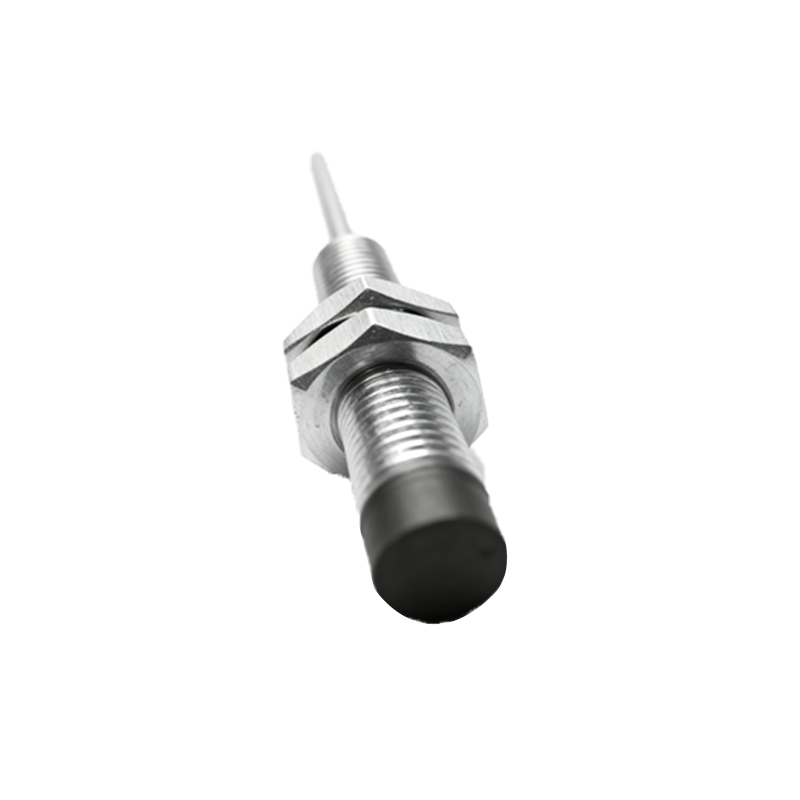
One of the most significant advantages of smart proximity sensors is their contribution to industrial safety. In hazardous environments where human interaction with machinery poses risks, these sensors provide non-contact detection, ensuring equipment operates only when safe conditions are met. For instance, in automated assembly lines, they can halt robotic arms if an unexpected obstruction is detected, preventing accidents and damage. Additionally, their ability to communicate fault signals or wear indicators enables proactive maintenance, addressing issues before they escalate into failures.
Energy efficiency is another critical benefit. Smart proximity sensors can adjust their sensing ranges and output signals based on real-time requirements, minimizing power consumption. In large-scale industrial facilities, this capability translates to substantial energy savings and a reduced carbon footprint. Moreover, their precision in detection reduces material waste and improves product quality, as processes can be finely tuned to respond to exact positional data.
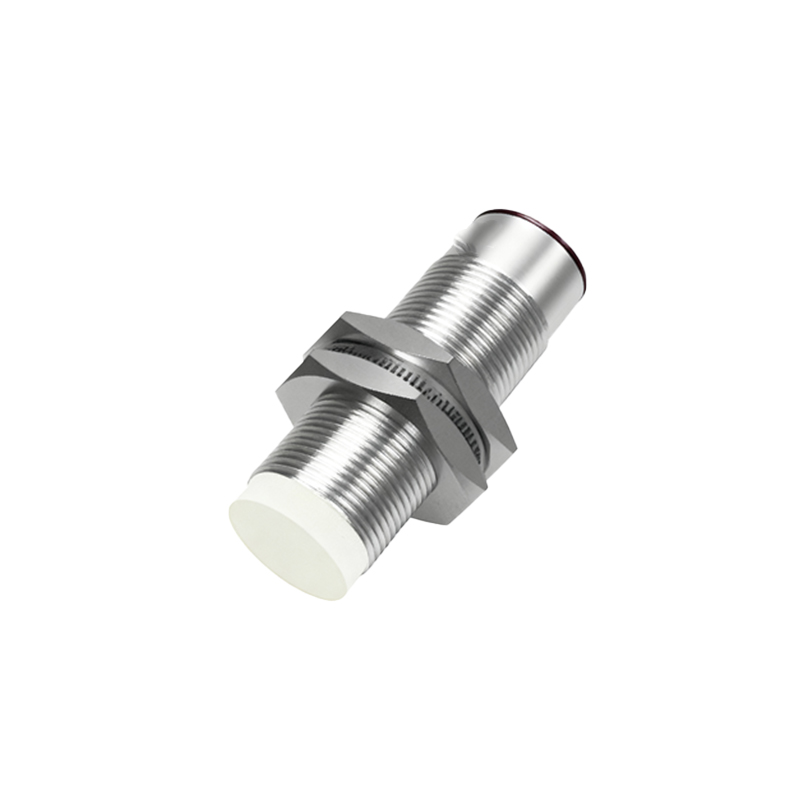
The implementation of smart proximity sensors aligns with Industry 4.0 and the Industrial Internet of Things (IIoT). By feeding data into centralized control systems, they facilitate data-driven decision-making and automation optimization. For example, in a smart factory, these sensors can track inventory levels, monitor equipment performance, and even adapt production schedules autonomously. This connectivity not only enhances operational agility but also supports remote monitoring and management, a feature increasingly valuable in today's globalized supply chains.
Despite their advantages, selecting the right smart proximity sensor requires careful consideration of factors such as environmental conditions (e.g., temperature, humidity, and exposure to chemicals), detection range, response time, and compatibility with existing infrastructure. Manufacturers like Siemens, Omron, and Balluff offer a wide range of models tailored to specific industrial applications, from food processing to automotive manufacturing.
Looking ahead, advancements in artificial intelligence and machine learning are poised to further elevate the capabilities of smart proximity sensors. Future iterations may feature enhanced adaptive learning, allowing sensors to optimize their parameters autonomously based on historical data and operational patterns. As industries continue to prioritize automation and digital transformation, smart proximity sensors will undoubtedly remain at the forefront, enabling smarter, safer, and more sustainable operations.
In conclusion, smart proximity sensors represent a transformative leap in sensor technology. By merging detection functions with intelligent features, they not only improve process efficiency and safety but also pave the way for fully interconnected industrial ecosystems. Their role in modern automation is indispensable, and as technology progresses, their impact will only deepen, reshaping how industries operate and innovate.