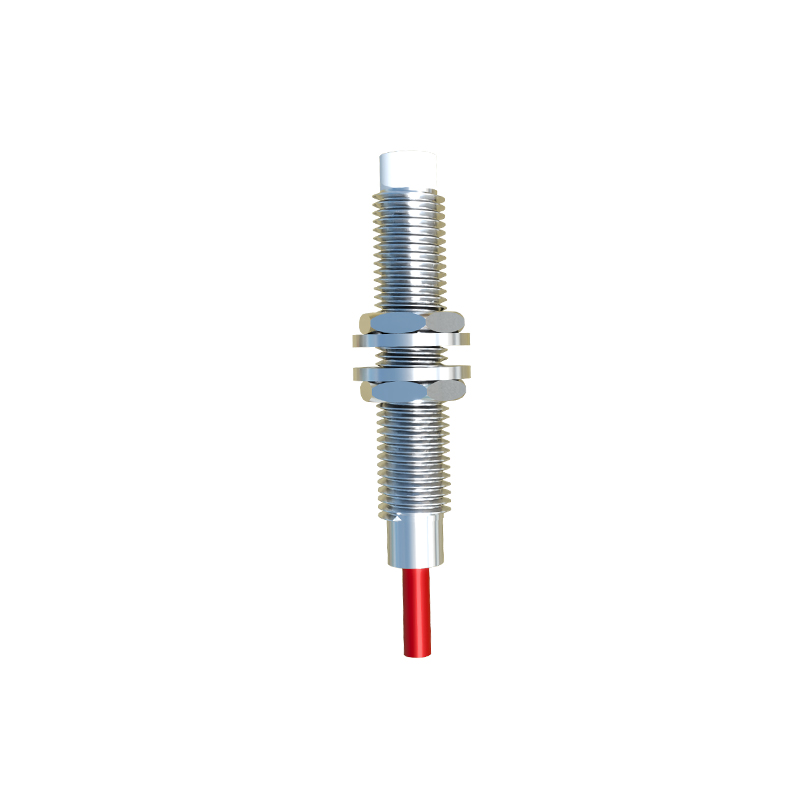
In the rapidly evolving landscape of electrical engineering and automation, infrared (IR) proximity sensors have emerged as indispensable components, offering a blend of precision, reliability, and versatility. These sensors operate by emitting infrared light and detecting its reflection from nearby objects, enabling non-contact detection across various industrial and commercial settings. One of their primary advantages lies in their ability to function effectively in diverse environmental conditions. Unlike some sensing technologies that may struggle with dust, moisture, or ambient light interference, modern IR proximity sensors are often designed with robust filtering and modulation techniques. This ensures consistent performance in challenging environments, such as manufacturing floors or outdoor installations, where other sensors might falter.
Another significant benefit is their high accuracy and fast response time. IR sensors can detect objects with minimal latency, making them ideal for applications requiring real-time monitoring, such as conveyor belt systems, robotic arms, or safety barriers. Their precision allows for exact positioning and measurement, reducing errors in automated processes and enhancing overall system efficiency. Additionally, these sensors are known for their energy efficiency. By consuming low power during operation, they contribute to sustainable design practices, which is increasingly important in energy-conscious industries. This efficiency does not compromise their range; many models offer adjustable sensing distances, providing flexibility for tasks from close-range object detection to longer-distance monitoring.
Durability and low maintenance requirements further underscore the value of IR proximity sensors. With no moving parts, they are less prone to mechanical wear and tear, leading to longer lifespans and reduced downtime. This reliability translates to cost savings over time, as fewer replacements and repairs are needed. Moreover, their compact size allows for easy integration into existing systems without significant redesigns, facilitating upgrades in legacy infrastructure. In smart applications, such as IoT devices or home automation, IR sensors enable features like touchless controls and occupancy sensing, aligning with trends toward hygiene and energy conservation.
From an electrical engineering perspective, the compatibility of IR proximity sensors with various interfaces—such as analog outputs, digital signals, or serial communication protocols—simplifies integration into complex circuits. Engineers can leverage these sensors for tasks ranging from simple presence detection to advanced data collection, supporting innovations in fields like automotive safety, medical equipment, and consumer electronics. As technology advances, enhancements in IR sensor design, including improved signal processing and miniaturization, continue to expand their potential. In summary, the advantages of infrared proximity sensors—encompassing resilience, accuracy, efficiency, and adaptability—make them a cornerstone in modern electrical systems, driving progress toward smarter, more responsive automation solutions.