In the rapidly evolving landscape of industrial automation, proximity sensors have emerged as indispensable components, enabling precise detection, positioning, and control without physical contact. Among these, customizable proximity sensors represent a significant leap forward, offering tailored solutions that address the unique challenges of diverse applications. Unlike standard off-the-shelf models, customizable sensors allow engineers to specify parameters such as sensing range, output type, housing material, and connectivity interfaces, ensuring optimal performance in specific environments.
The demand for customization stems from the increasing complexity of industrial systems. For instance, in automotive manufacturing, sensors must withstand extreme temperatures, vibrations, and exposure to oils or coolants. A customizable approach enables the selection of stainless steel housings or specialized coatings that enhance durability. Similarly, in food and beverage processing, sensors with IP69K ratings and hygienic designs can be configured to meet strict sanitation standards, preventing contamination and facilitating easy cleaning.
Technological advancements have further propelled the adoption of customizable proximity sensors. Modern designs incorporate smart features like IO-Link communication, which allows for real-time data exchange, remote configuration, and predictive maintenance. Engineers can adjust sensing distances or switch between normally open and normally closed outputs digitally, reducing downtime and enhancing flexibility. Additionally, the integration of advanced sensing technologies—such as inductive, capacitive, ultrasonic, or magnetic principles—enables customization based on the target material. For example, capacitive sensors can detect non-metallic objects like liquids or plastics, while inductive sensors are ideal for metals.
The benefits of customization extend beyond performance to cost-efficiency and scalability. By tailoring sensors to exact requirements, companies can avoid over-engineering or compromising on functionality. This precision reduces waste, minimizes installation errors, and extends the sensor’s lifespan, leading to lower total cost of ownership. Moreover, customizable sensors support scalable solutions; as production lines expand or processes change, sensors can be reconfigured or upgraded without complete replacement, fostering adaptability in dynamic industries.
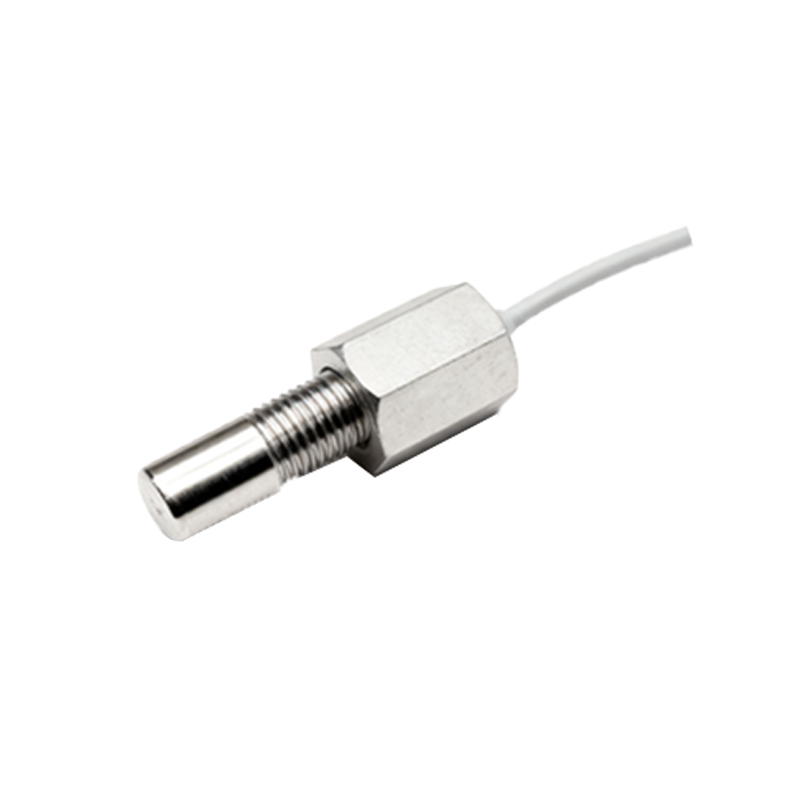
However, implementing customizable proximity sensors requires careful planning. Collaboration between engineers and manufacturers is crucial to define specifications accurately. Factors such as environmental conditions, target object properties, and integration with existing control systems must be analyzed. For instance, in high-noise electrical environments, shielded cables or filters may be necessary to prevent interference. Similarly, in space-constrained applications, compact or cylindrical designs can be customized to fit tight layouts.
Looking ahead, the trend toward Industry 4.0 and the Internet of Things (IoT) will drive further innovation in customizable sensors. With embedded intelligence and connectivity, these sensors will play a pivotal role in smart factories, contributing to data-driven decision-making and autonomous operations. As industries continue to prioritize efficiency, safety, and sustainability, the ability to tailor proximity sensors will remain a key enabler of technological progress.
In conclusion, customizable proximity sensors offer a powerful solution for modern industrial challenges, blending versatility with precision. By empowering engineers to design sensors that meet exact needs, they enhance system reliability, reduce costs, and support innovation across sectors—from robotics and packaging to renewable energy and beyond.