In the realm of industrial automation and control systems, the demand for reliable, non-contact sensing solutions is paramount. Among the diverse array of sensors available, high-precision magnetic proximity sensors have carved out a critical niche. These devices excel in environments where physical contact is undesirable or impossible, offering exceptional accuracy, longevity, and resilience against contaminants. This article delves into the operational principles, key performance metrics, prevalent applications, and essential selection criteria for these sophisticated components.
At their core, high-precision magnetic proximity sensors operate on the principle of detecting changes in a magnetic field. They typically consist of a sensing element and a separate permanent magnet or a magnetized target. The most common technology employed is based on the Hall effect. A Hall effect sensor generates a voltage difference (the Hall voltage) across an electrical conductor when a magnetic field is applied perpendicular to the current flow. In a proximity sensor, this voltage is processed by integrated circuitry to produce a clean, digital output signal (e.g., PNP/NPN) or an analog signal proportional to the distance. Another prevalent technology is magnetoresistive sensing, where the electrical resistance of the material changes in the presence of a magnetic field, offering very high sensitivity for precise position detection.
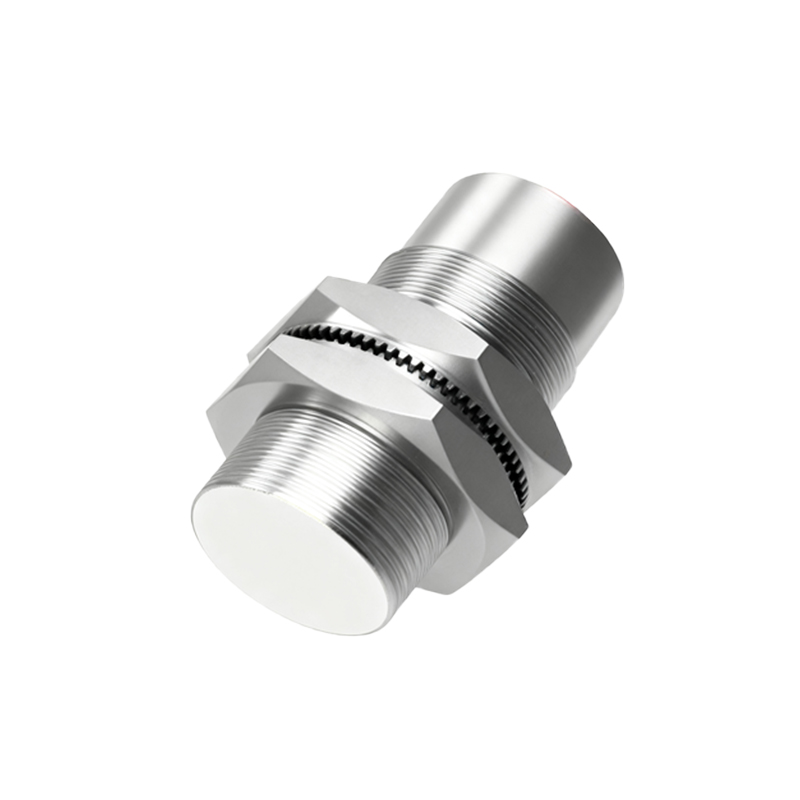
The term "high-precision" distinguishes these sensors from standard variants through several rigorous performance parameters. Switching distance accuracy and repeatability are foremost. High-precision models guarantee minimal deviation between the nominal switching point and the actual point of activation, even over millions of cycles and across varying temperatures. Temperature stability is another critical factor; advanced designs incorporate compensation circuits to ensure consistent performance from -40°C to +85°C or beyond. Furthermore, resistance to external magnetic fields and electromagnetic interference (EMI) is crucial to prevent false triggering in electrically noisy industrial settings. The housing, often constructed from stainless steel (e.g., V4A/AISI 316) or nickel-plated brass, provides high ingress protection ratings (IP67, IP69K), safeguarding against dust, oils, coolants, and high-pressure washdowns.
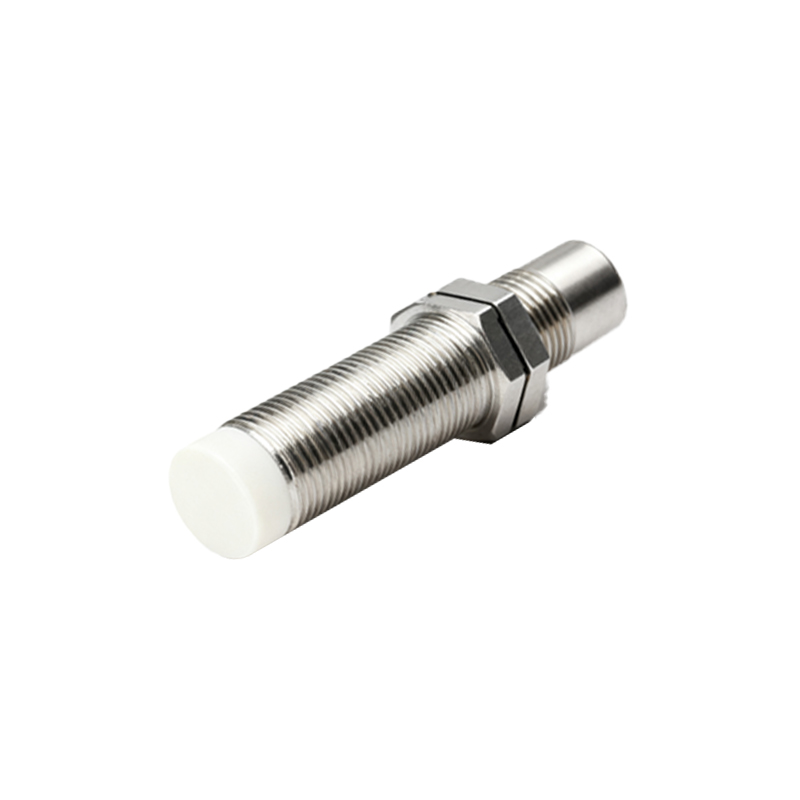
The applications for high-precision magnetic proximity sensors are vast and span numerous industries. In automotive manufacturing, they are indispensable for robotic welding arms, providing exact positional feedback for seam tracking. In packaging machinery, they ensure precise registration control for labeling and filling operations. Linear actuators and hydraulic cylinders utilize them for end-of-stroke detection with micron-level repeatability. Within the semiconductor and electronics industry, these sensors facilitate delicate handling and placement of components. They are also fundamental in safety systems, such as monitoring the position of safety guards on machinery. Their non-contact nature makes them ideal for detecting the position of pistons in pneumatic cylinders (as cylinder position sensors), a ubiquitous application in factory automation.
Selecting the appropriate high-precision magnetic proximity sensor requires a careful analysis of the application requirements. First, define the required sensing distance and the necessary accuracy. The sensor's data sheet will specify a nominal sensing distance (Sn) and often a guaranteed operating distance (Sa). For analog sensors, consider the linearity and resolution within the measurement range. The electrical characteristics are equally important: output type (digital switching, analog current/voltage, IO-Link), supply voltage range, and current rating must match the control system. Environmental conditions dictate the housing material and protection rating. For cylinder sensing, the sensor must be compatible with the cylinder's magnetic piston band material and its specific magnetic field strength. Finally, mounting constraints—size, form factor (barrel, rectangular), and mounting style (flush, non-flush)—must be evaluated to ensure proper installation and optimal performance.
In conclusion, high-precision magnetic proximity sensors are engineered components that deliver reliability and accuracy in demanding industrial environments. By converting magnetic field variations into precise electrical signals, they enable sophisticated automation, quality control, and safety functions. A thorough understanding of their technology, specifications, and application nuances is essential for engineers and system integrators to harness their full potential, thereby enhancing machine performance, productivity, and operational safety. As Industry 4.0 and smart manufacturing evolve, the role of these sensors in providing critical data for predictive maintenance and process optimization will only become more pronounced.