In the realm of industrial automation and control systems, magnetic sensors and proximity switches play indispensable roles in enabling precise, reliable, and non-contact detection of objects. These components are fundamental to modern manufacturing, robotics, and safety applications, offering distinct advantages over mechanical switches, such as enhanced durability, faster response times, and reduced maintenance needs. This article delves into the principles, types, and applications of magnetic sensors and proximity switches, providing insights for engineers and technicians in the electrical and automation fields.
Magnetic sensors operate based on the detection of magnetic fields, typically generated by permanent magnets or electromagnets. They convert magnetic field variations into electrical signals, which can be processed by control units. Common types include Hall effect sensors, magnetoresistive sensors, and reed switches. Hall effect sensors, for instance, generate a voltage proportional to the magnetic field strength when a current flows through a conductor in the presence of a perpendicular magnetic field. This makes them ideal for position sensing, speed measurement, and current detection in motors and vehicles. Magnetoresistive sensors, on the other hand, change their electrical resistance in response to magnetic fields, offering high sensitivity for applications like compasses and navigation systems. Reed switches consist of two ferromagnetic reeds sealed in a glass tube; when exposed to a magnetic field, the reeds attract each other, closing an electrical circuit. They are often used in simple on/off applications, such as door and window sensors in security systems.
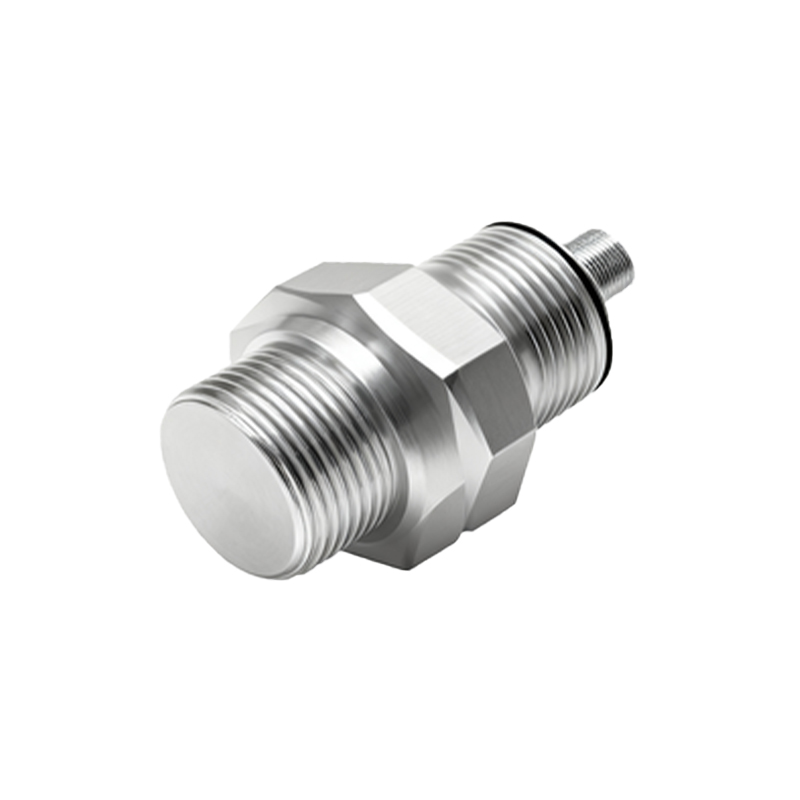
Proximity switches, a subset of proximity sensors, are designed to detect the presence or absence of an object without physical contact. They can be categorized based on their sensing technology: inductive, capacitive, ultrasonic, and magnetic (which includes magnetic sensors). Magnetic proximity switches, specifically, utilize magnetic principles to detect ferrous metals or magnets. For example, a magnetic proximity switch might employ a reed switch or Hall effect sensor to sense a magnet attached to a moving part, triggering an action when the magnet comes within a predefined range. These switches are valued for their robustness in harsh environments, as they are immune to dust, moisture, and vibration. In contrast, inductive proximity switches detect metallic objects through electromagnetic induction, while capacitive switches sense materials by changes in capacitance, making them suitable for non-metallic objects.
The applications of magnetic sensors and proximity switches are vast and varied across industries. In automotive systems, Hall effect sensors monitor wheel speed for anti-lock braking systems (ABS) and crankshaft position for engine timing. In industrial machinery, magnetic proximity switches ensure precise positioning in conveyor belts, robotic arms, and CNC machines, enhancing efficiency and safety. They are also critical in packaging, material handling, and assembly lines, where they detect product presence, count items, or initiate automated processes. Furthermore, in renewable energy, magnetic sensors contribute to wind turbine pitch control and solar tracking systems. The non-contact nature of these devices minimizes wear and tear, leading to longer lifespans and reduced downtime, which is crucial for cost-effective operations.
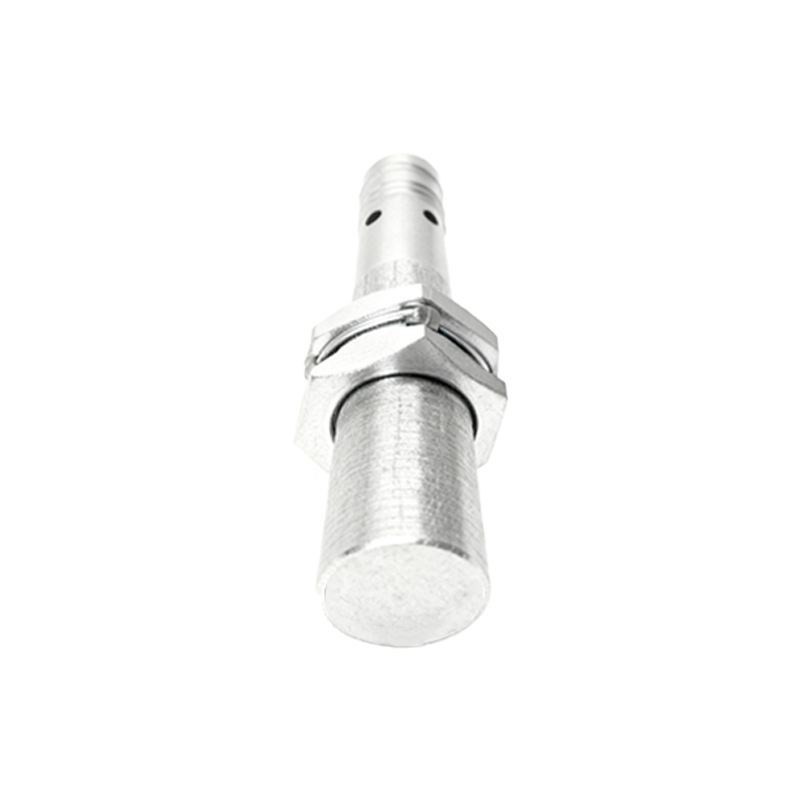
When selecting magnetic sensors or proximity switches for a specific application, engineers must consider several factors. Sensing range, or the maximum distance at which the sensor can reliably detect an object, is a key parameter; magnetic sensors typically have shorter ranges compared to ultrasonic or capacitive types. Environmental conditions, such as temperature extremes, humidity, and exposure to chemicals, also influence choice—magnetic sensors often excel in dirty or wet settings. Output type (e.g., digital, analog, or PWM) and electrical compatibility (voltage and current ratings) must align with the control system. Additionally, response time and switching frequency are vital for high-speed applications. For instance, in fast-paced production lines, a Hall effect sensor with microsecond response can prevent bottlenecks.
Innovations in magnetic sensor and proximity switch technology continue to drive advancements. Miniaturization allows for integration into compact devices like smartphones and wearables, while improvements in sensitivity and accuracy support emerging fields like the Internet of Things (IoT) and smart factories. Wireless and smart sensors with embedded diagnostics are becoming more prevalent, enabling predictive maintenance and real-time monitoring. As industries embrace Industry 4.0, the demand for reliable, intelligent sensing solutions will only grow, making a deep understanding of these components essential for electrical professionals.
In summary, magnetic sensors and proximity switches are cornerstone technologies in automation, offering non-contact detection that enhances reliability and performance. By mastering their principles and applications, engineers can optimize system design, improve safety, and boost productivity in diverse industrial settings.