Proximity signal sensors are critical components in electric vehicle (EV) charging systems, ensuring safe, efficient, and reliable power transfer between the charging station and the vehicle. These sensors detect the physical connection status of the charging connector, enabling communication between the EV and the charging infrastructure before and during the charging process. This article explores the working principles, design considerations, and industry applications of proximity signal sensors in EV charging ports.
The primary function of a proximity signal sensor is to confirm that the charging connector is fully and securely mated with the vehicle's charging port. This is achieved through a low-voltage signal circuit that is activated upon proper insertion. The sensor typically operates by detecting the closure of a mechanical switch or through a non-contact method such as Hall-effect or inductive sensing. Once the connection is verified, the sensor sends a signal to the vehicle's onboard charger and the charging station's control unit, allowing high-voltage power to flow. This interlock mechanism prevents arcing, electrical faults, and potential damage to equipment or injury to users.
Designing an effective proximity signal sensor involves several key considerations. First, durability is paramount, as the sensor must withstand repeated insertion cycles, environmental exposure (e.g., moisture, dust, temperature extremes), and mechanical stress. Materials such as high-grade plastics, stainless steel, and sealed connectors are commonly used to enhance longevity. Second, signal integrity is crucial; the sensor must provide a clear, noise-resistant signal to avoid false positives or failures. Shielding, proper grounding, and compliance with electromagnetic compatibility (EMC) standards are essential. Third, standardization plays a vital role. Most proximity sensors adhere to international standards like IEC 62196 and SAE J1772, which define pin configurations, voltage levels, and communication protocols to ensure interoperability across different EV models and charging networks.
In practice, proximity signal sensors are integrated into the charging connector handle or the vehicle's inlet. For example, in Combined Charging System (CCS) connectors, the proximity pin (often labeled PP) is part of a resistor network that communicates the cable's current-carrying capacity to the vehicle. This allows the EV to adjust its charging parameters accordingly, preventing overloads. In AC charging, the sensor may also indicate whether the connector is locked in place, adding an extra layer of safety.
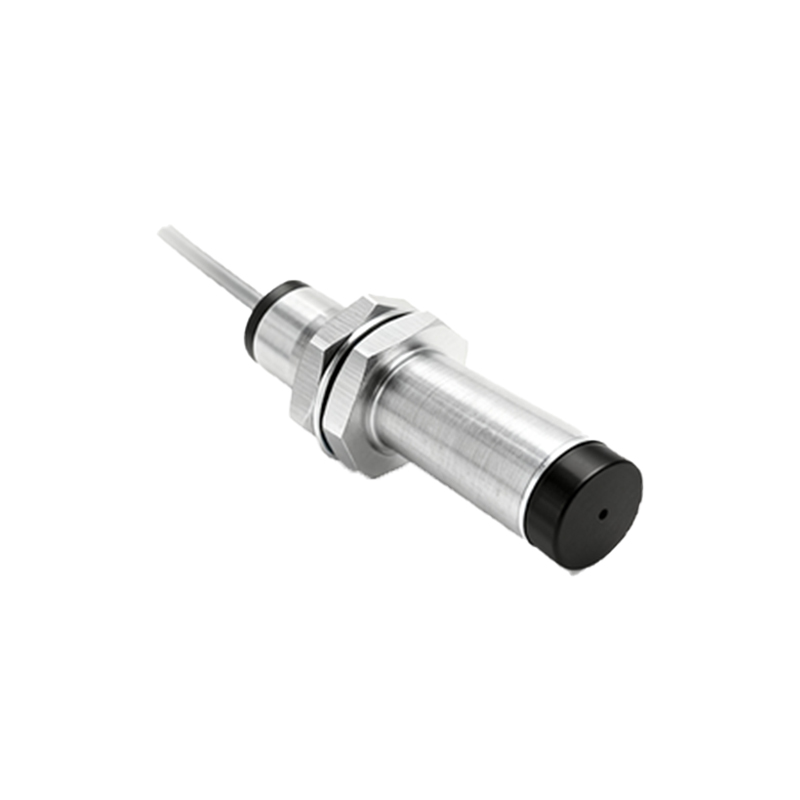
The evolution of proximity sensors is closely tied to advancements in EV technology. With the rise of ultra-fast DC charging (e.g., 350 kW or higher), sensors must handle higher signal precision and faster response times. Additionally, smart charging features, such as plug-and-charge authentication, rely on robust sensor data to initiate secure transactions automatically. Future trends may include wireless proximity detection or integration with vehicle-to-grid (V2G) systems, where sensors help manage bidirectional power flow.
Despite their importance, proximity signal sensors face challenges. Corrosion, wear, or contamination can lead to signal degradation, potentially interrupting charging sessions. Manufacturers address this through rigorous testing, including IP-rated enclosures for water and dust resistance, and lifecycle testing simulating thousands of connect-disconnect cycles. Regular maintenance and user education on proper handling are also recommended to ensure long-term reliability.
In summary, proximity signal sensors are unsung heroes in EV charging infrastructure, enabling safe and efficient energy transfer through precise connection monitoring. Their design blends mechanical robustness with electronic reliability, adhering to global standards to support the growing EV ecosystem. As electric mobility expands, continued innovation in sensor technology will be key to enhancing charging speed, safety, and user convenience.