In the intricate world of industrial automation, where precision and reliability are non-negotiable, proximity sensors stand as unsung heroes. These compact, non-contact sensing devices are fundamental components in countless applications, from manufacturing assembly lines and robotic systems to automotive production and packaging machinery. Their primary function is to detect the presence or absence of an object within a specified range without any physical contact, thereby eliminating mechanical wear and enabling high-speed, reliable operation.
The core technology behind proximity sensors varies, primarily falling into three categories: inductive, capacitive, and photoelectric. Inductive proximity sensors are the workhorses for detecting metallic objects. They generate an electromagnetic field; when a metal target enters this field, it induces eddy currents that dampen the sensor's oscillation, triggering a switch signal. These sensors are exceptionally robust, immune to environmental factors like dust, oil, and moisture, making them ideal for harsh industrial environments. Capacitive sensors, on the other hand, can detect both metallic and non-metallic materials—liquids, plastics, wood, and even granular substances. They function by sensing changes in capacitance caused by the presence of any material that alters the dielectric constant of the space between the sensor and the target. Photoelectric sensors utilize a light beam (often infrared, visible red, or laser) and detect objects by measuring the reflection or interruption of this beam. While not strictly "proximity" in the same electromagnetic sense, their compact variants are crucial for longer-range detection and precise positioning.
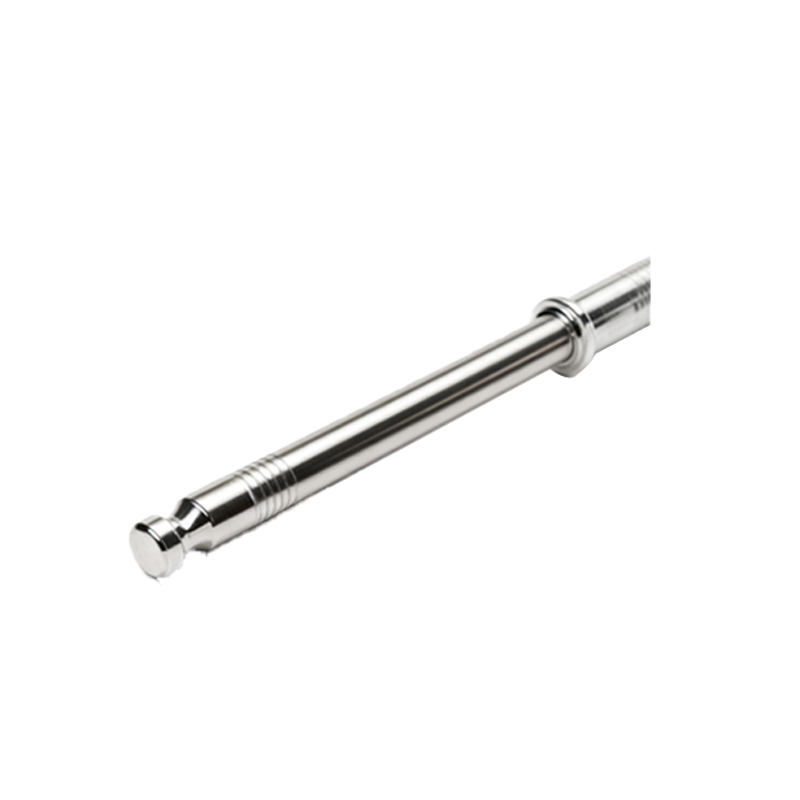
The trend toward miniaturization has been a significant driver in the evolution of these devices. Modern proximity switches are remarkably small, some with housings as tiny as M5 or M8 cylindrical threads. This small footprint allows for installation in space-constrained applications where traditional limit switches would be impossible to mount. Despite their size, they do not compromise on performance. Advanced designs incorporate integrated circuits that provide enhanced sensing ranges, improved noise immunity, and sophisticated output configurations (PNP/NPN, analog, or IO-Link digital). The housing materials, typically stainless steel or nickel-plated brass, ensure high resistance to mechanical stress, chemicals, and temperature extremes.
Selecting the right miniature proximity sensor requires careful consideration of several parameters. The sensing distance, or "switching distance," is critical and is often specified as a nominal value under standardized conditions. Engineers must account for factors like target material, size, and temperature coefficients, which can affect real-world performance. The mounting style—flush, non-flush, or embedded—also influences the effective sensing range and immunity to adjacent metal. Output type selection is another key decision; while standard digital outputs control relays or PLC inputs, analog outputs provide continuous distance measurement, and IO-Link enables detailed parameterization and diagnostic data exchange, paving the way for Industry 4.0 predictive maintenance.
The applications for these small but mighty devices are vast. In robotics, they provide end-of-arm tooling presence detection and precise joint positioning. In conveyor systems, they count products, control sorting gates, and verify assembly completion. Within CNC machine tools, they act as homing sensors and tool breakage detectors. Their sealed designs allow them to function reliably in washdown areas of food and beverage plants. The reliability of a solid-state proximity switch, with its millions of operational cycles, far surpasses that of electromechanical counterparts, drastically reducing machine downtime and maintenance costs.
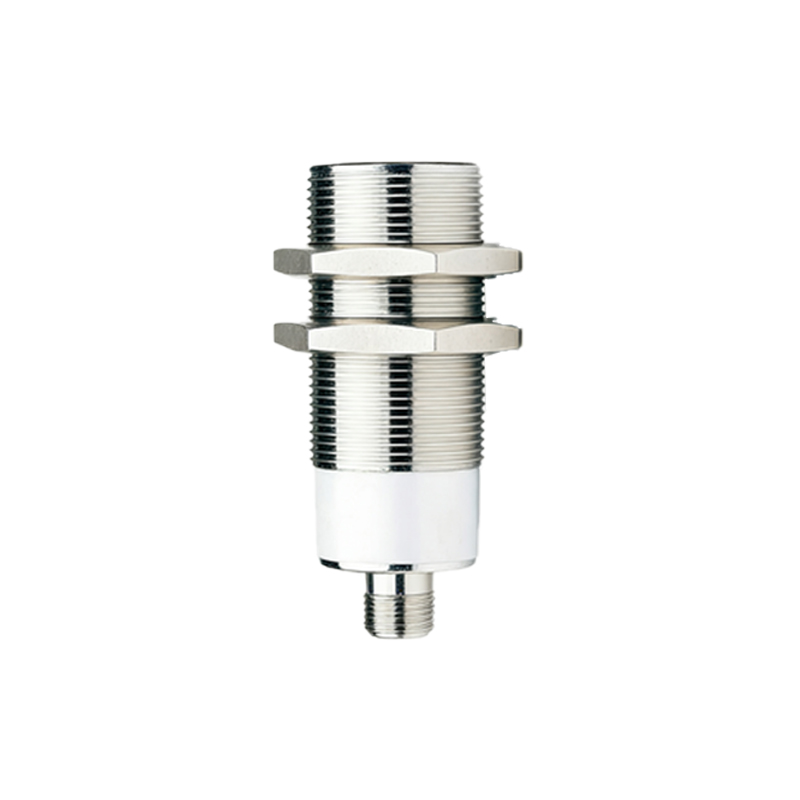
Looking ahead, the integration of smart features into compact housings is the clear trajectory. Sensors with built-in diagnostics can monitor their own health, alerting systems to contamination, temperature overload, or electrical faults. The convergence of sensing and communication via protocols like IO-Link transforms simple binary switches into intelligent data points within a networked factory. This intelligence, packaged in a rugged, miniature form factor, empowers engineers to design more flexible, efficient, and resilient automated systems. In essence, the humble proximity sensor, in its ever-shrinking and smarter incarnation, continues to be a foundational pillar enabling the precision, speed, and intelligence of modern industrial automation.