In industrial automation and control systems, proximity sensors play a critical role in detecting the presence or absence of objects without physical contact. With numerous models available on the market, distinguishing between them can be challenging for engineers and technicians. This guide provides a systematic approach to identifying and selecting the right proximity sensor model based on key technical parameters, ensuring optimal performance in various applications.
The first step in differentiating proximity sensor models is understanding their sensing technology. Inductive proximity sensors are designed to detect metallic objects using electromagnetic fields. They are commonly used in manufacturing environments for position sensing, counting, or speed monitoring of metal parts. Capacitive proximity sensors, on the other hand, can detect both metallic and non-metallic materials, including liquids, plastics, and wood, by measuring changes in capacitance. Ultrasonic sensors use sound waves to detect objects and are ideal for applications requiring longer sensing ranges or harsh conditions. Finally, photoelectric sensors employ light beams to sense objects and are suitable for precise detection over varying distances.
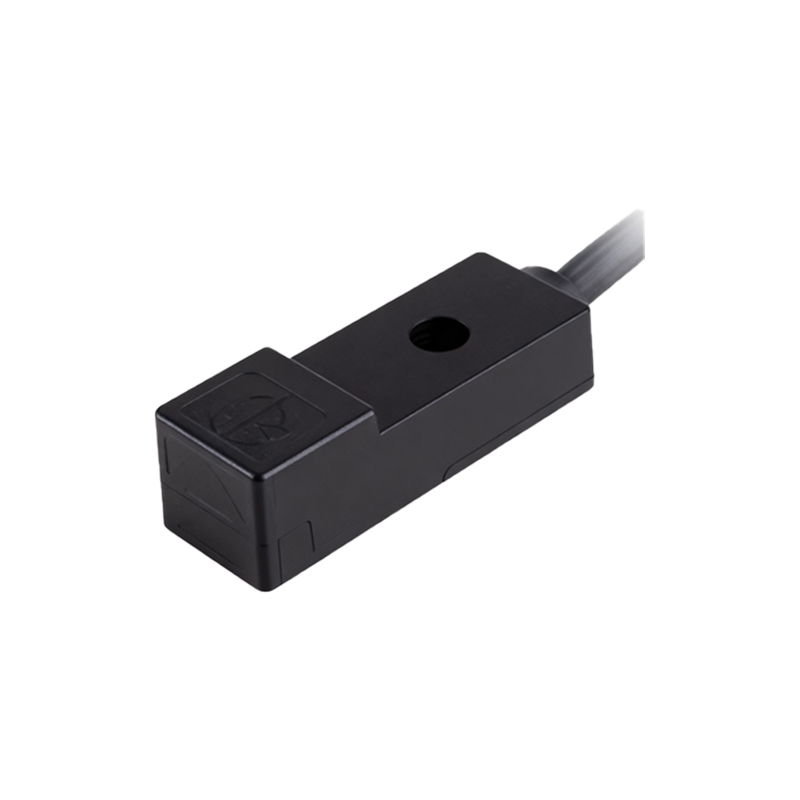
Another crucial factor is the sensor's output type. Proximity sensors typically offer digital outputs such as NPN (sinking) or PNP (sourcing) configurations, which determine how the sensor interfaces with control systems like PLCs. Some models also provide analog outputs (e.g., 4-20 mA or 0-10 V) for continuous measurement applications, such as monitoring distance or thickness. Engineers must match the output type with the input requirements of their control devices to avoid compatibility issues.
The sensing range and mounting style are also key differentiators. Sensing range varies significantly between models, from a few millimeters to several meters, depending on the technology and application. For instance, inductive sensors usually have shorter ranges (e.g., 2-40 mm), while ultrasonic sensors can detect objects up to 10 meters away. Mounting styles include flush-mounted, non-flush-mounted, or cylindrical designs, each affecting the sensor's performance in confined spaces or specific installations. Flush-mounted sensors are less susceptible to interference from surrounding metal, making them suitable for embedded applications.
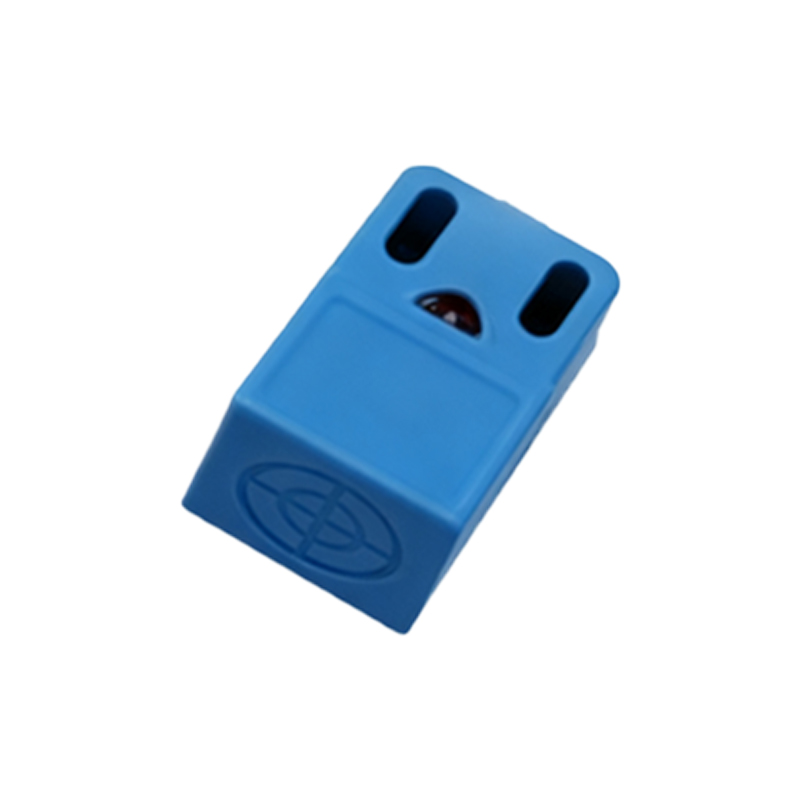
Environmental considerations, such as IP (Ingress Protection) ratings and temperature tolerance, further distinguish sensor models. Sensors used in wet, dusty, or corrosive environments require higher IP ratings (e.g., IP67 or IP69K) to ensure durability. Temperature ranges vary from standard industrial models (-25°C to 70°C) to high-temperature variants capable of withstanding up to 150°C for applications like metal casting or welding.
Additionally, connection methods and housing materials impact model selection. Sensors may feature cable connections, quick-disconnect connectors, or M12/M8 threaded connectors for easy installation and maintenance. Housing materials like stainless steel, nickel-plated brass, or PBT plastic offer different levels of resistance to mechanical stress, chemicals, and UV exposure.
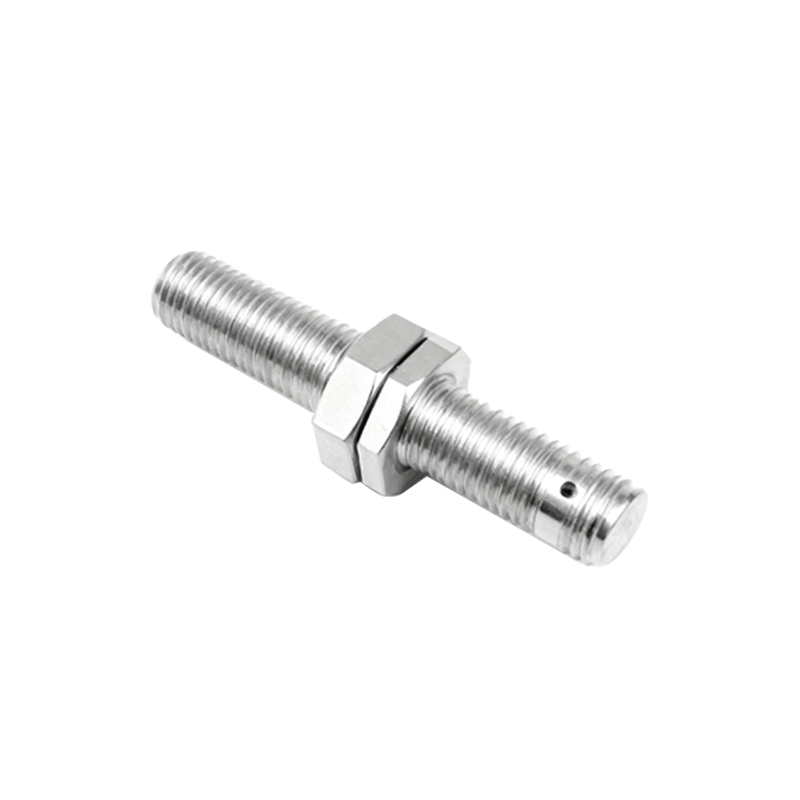
By analyzing these parameters—sensing technology, output type, range, mounting, environmental ratings, and construction—engineers can accurately distinguish between proximity sensor models. Always refer to manufacturer datasheets for detailed specifications and consult application notes to ensure the chosen sensor meets operational demands. Proper selection enhances system reliability, reduces downtime, and improves safety in automated processes.