Proximity switch sensors are fundamental components in modern industrial automation and electrical control systems. As an electrical engineer with extensive field experience, I aim to provide a clear, technical overview of these devices, focusing on their operational principles, types, applications, and key selection criteria. This guide is written to meet the needs of professionals seeking practical, actionable knowledge.
At its core, a proximity sensor is a non-contact device that detects the presence or absence of an object within its sensing range without any physical contact. It achieves this by emitting an electromagnetic field or a beam of electromagnetic radiation and looking for changes in the field or return signal. The primary advantage is the elimination of mechanical wear and tear associated with limit switches, leading to higher reliability and longer service life in demanding environments.
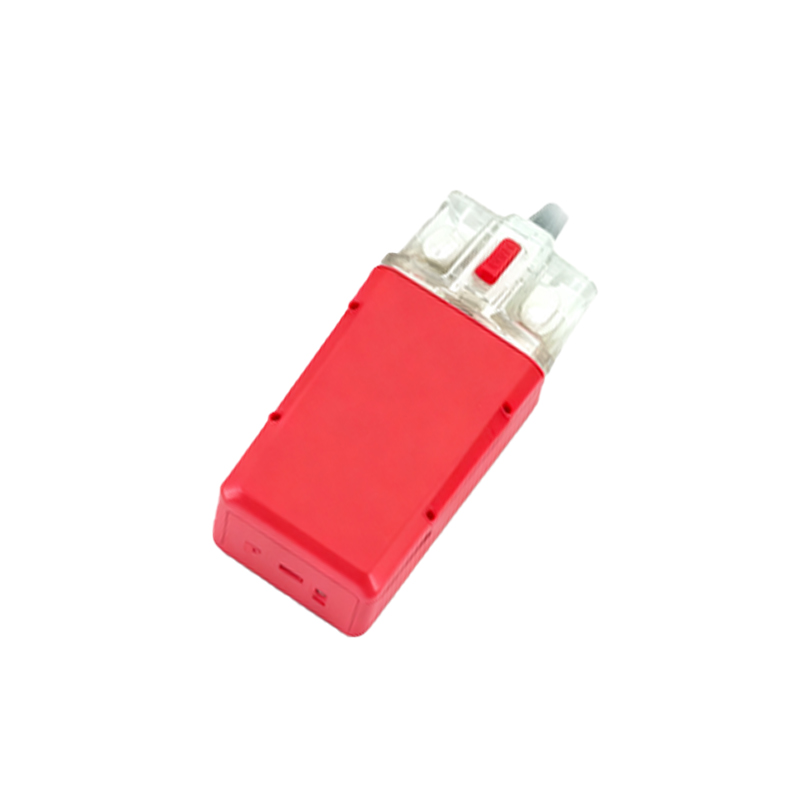
There are several main types of proximity sensors, each with distinct operating principles and ideal use cases. Inductive proximity sensors are the most common in industrial settings. They generate an oscillating electromagnetic field. When a metallic object (the target) enters this field, it induces eddy currents within the target, which causes a change in the oscillation amplitude. This change is detected by the sensor's circuitry, triggering a solid-state output switch. These sensors are excellent for detecting ferrous and non-ferrous metals but are ineffective for non-metallic materials.

Capacitive proximity sensors, on the other hand, can detect both metallic and non-metallic materials, including liquids, powders, and plastics. They function by generating an electrostatic field. The presence of any object with a dielectric constant different from air alters the capacitance of the circuit, which is then detected. This makes them versatile for applications like level detection in tanks or presence detection of glass or wood.
Photoelectric sensors use light, typically infrared or laser, to detect objects. They consist of an emitter and a receiver. In the through-beam (or direct-through) configuration, the emitter and receiver are separate units facing each other. The sensor detects an object when it interrupts the light beam between them. This type offers the longest sensing ranges and high precision. Retro-reflective and diffuse reflective models are other common photoelectric variants. For the purpose of this article, the "direct-through" or "through-beam" photoelectric sensor is a prime example of a highly reliable, long-range proximity solution, often used in packaging, material handling, and safety light curtains.
Ultrasonic sensors use sound waves beyond human hearing. They measure the time taken for an emitted sound pulse to bounce back from a target. They are suitable for detecting objects of virtually any material, as well as for distance measurement and level sensing in challenging conditions with dust or vapor.
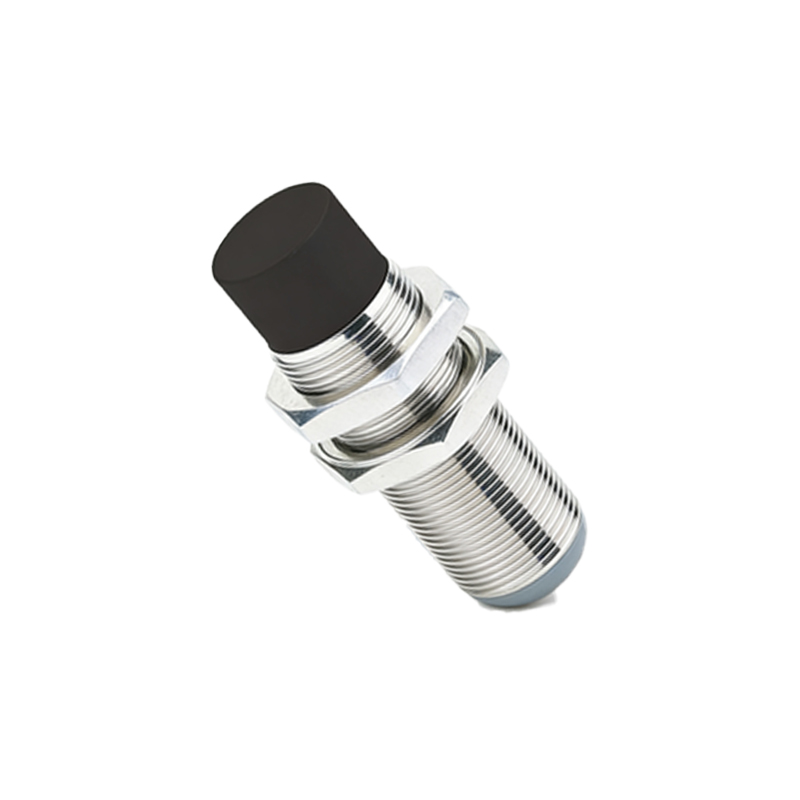
When selecting a proximity sensor for a specific application, engineers must consider several critical parameters. The sensing range, or the maximum distance at which the sensor can reliably detect a standard target, is paramount. The mounting style (flush or non-flush for inductive sensors) affects the sensing range and potential interference from surrounding metal. Environmental factors such as temperature, humidity, and the presence of chemicals or washdown requirements dictate the needed housing material and IP (Ingress Protection) rating. The output type is also crucial; most sensors provide a digital ON/OFF signal via PNP (sourcing) or NPN (sinking) transistor outputs, while some analog versions provide a continuous signal proportional to distance.
Electrical characteristics like operating voltage (commonly 10-30V DC or 90-250V AC) and load current capacity must match the control system's PLC or relay input module. Response time, the speed at which the sensor can react to a target's presence, is vital for high-speed automation. Finally, considerations like short-circuit protection, reverse polarity protection, and LED status indicators contribute to robust system design and ease of maintenance.
In practical application, proper installation is key to optimal performance. Engineers must ensure adequate clearance around the sensor face to prevent false triggers from surrounding metal (for inductive types). Correct wiring according to the datasheet is essential to avoid damage. For through-beam photoelectric sensors, precise alignment of the emitter and receiver is critical, and the lens must be kept clean from dust and debris. Regular functional testing should be part of preventative maintenance schedules.
The evolution of Industry 4.0 and IIoT (Industrial Internet of Things) is also influencing proximity sensor technology. Modern sensors increasingly feature IO-Link communication, enabling digital parameter setting, advanced diagnostics, and process data monitoring directly from the sensor to the control system, facilitating predictive maintenance and smarter factory operations.
In conclusion, proximity switch sensors are indispensable tools for automation. A deep understanding of their types, principles, and selection criteria enables electrical engineers to design more reliable, efficient, and intelligent control systems. Whether specifying a robust inductive sensor for a metal stamping press, a capacitive sensor for a liquid filling station, or a high-precision through-beam photoelectric sensor for a conveyor sorting system