In the intricate world of automation and electronic device design, proximity sensor jacks play a pivotal, yet often understated, role. These connectors serve as the critical interface between a proximity sensor and the broader control system, ensuring reliable signal transmission for detection, measurement, and control functions. Understanding their specifications, types, and proper implementation is essential for engineers, technicians, and hobbyists aiming to build robust and efficient systems.
A proximity sensor jack is essentially an electrical connector designed to mate with the plug or cable of a proximity sensor. These sensors themselves are devices that detect the presence or absence of an object within a certain range without physical contact, using technologies like inductive, capacitive, ultrasonic, or photoelectric principles. The jack is the point where the sensor's electrical signals—be it a simple digital on/off switch (PNP or NPN) or a more complex analog output—are channeled into the programmable logic controller (PLC), relay, or other processing unit.
The variety of proximity sensor jacks available reflects the diversity of sensor applications. Key types include:
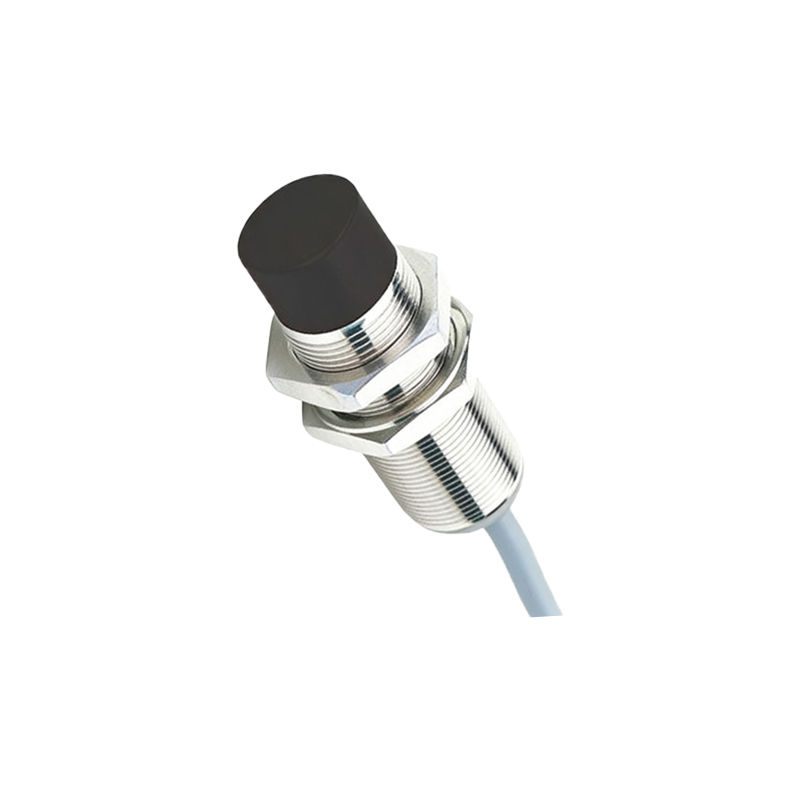
Cable Gland Connectors: Often used in industrial settings, these feature a threaded gland that secures and seals the sensor cable, providing excellent strain relief and protection against dust and moisture (commonly rated IP67 or higher). They are robust and ideal for harsh environments.
Quick-Disconnect (M8/M12) Connectors: These have become the industry standard for factory automation. The M8 (8mm diameter) and M12 (12mm diameter) circular connectors allow for fast sensor replacement and maintenance. They are typically coded (A-coded for sensors, B-coded for fieldbus, etc.) to prevent mismating and come in 3, 4, or 5-pin configurations to support different sensor wiring schemes (e.g., 3-pin for DC two-wire, 4-pin for dual-output or analog sensors).
Board-Mount Jacks: Found directly on circuit boards within equipment, these are used for connecting sensors that are integral to a machine's internal electronics. They are more compact but lack the environmental protection of their industrial counterparts.
Miniature Connectors: For space-constrained applications, smaller variants like M5 or micro connectors are available, though they offer slightly lower current ratings.
Selecting the correct jack is not a trivial task. Several factors must be considered to ensure compatibility and longevity:
1. Sensor Compatibility: The jack must match the sensor's plug type (M12, M8, etc.), pin count, and pinout configuration. Mismatching can damage the sensor or controller.
2. Electrical Specifications: The voltage rating, current-carrying capacity, and shielding (for noise immunity) of the jack must meet or exceed the sensor's requirements.
3. Environmental Rating: The Ingress Protection (IP) rating is crucial. An IP67-rated jack can withstand temporary immersion and dust ingress, making it suitable for washdown areas or outdoor use. Material choice (e.g., nickel-plated brass, stainless steel, PBT plastic) also affects corrosion resistance.
4. Mounting Style: Jacks can be panel-mounted, cable-mounted, or board-mounted. The choice depends on the enclosure design and installation method.
5. Wiring Scheme: Understanding whether the sensor is NPN (sinking) or PNP (sourcing) is vital, as this determines how the wires are connected to the jack's terminals for proper circuit completion with the PLC input.
Common applications span nearly every industry. On a packaging line, inductive sensor jacks connect sensors that detect metal cans. In automotive assembly, M12 jacks link photoelectric sensors for robotic guidance. Within consumer electronics, miniature jacks connect capacitive sensors for touchless interfaces. A frequent challenge is troubleshooting connection failures, which often stem from incorrect wiring, a damaged jack seal allowing moisture in, or connector corrosion.
In summary, the proximity sensor jack is far more than a simple port; it is a engineered component vital for system integrity. Its correct selection and installation ensure that the valuable data from the proximity sensor is transmitted reliably, enabling precise automation, enhancing safety, and preventing costly downtime. As sensor technology evolves towards IO-Link and smarter interfaces, the role of these connectors in facilitating communication will only grow in importance, making a solid grasp of their fundamentals indispensable for anyone working in modern electronic system design and maintenance.