In the world of industrial automation and machinery control, precision, reliability, and safety are non-negotiable. At the heart of countless automated systems, from conveyor belts and robotic arms to CNC machines and packaging lines, lie two critical components: proximity switches and limit sensors. While often mentioned together and sometimes used interchangeably in casual conversation, they serve distinct yet complementary roles in sensing and control applications. Understanding their function, types, and applications is key to designing efficient and fail-safe systems.
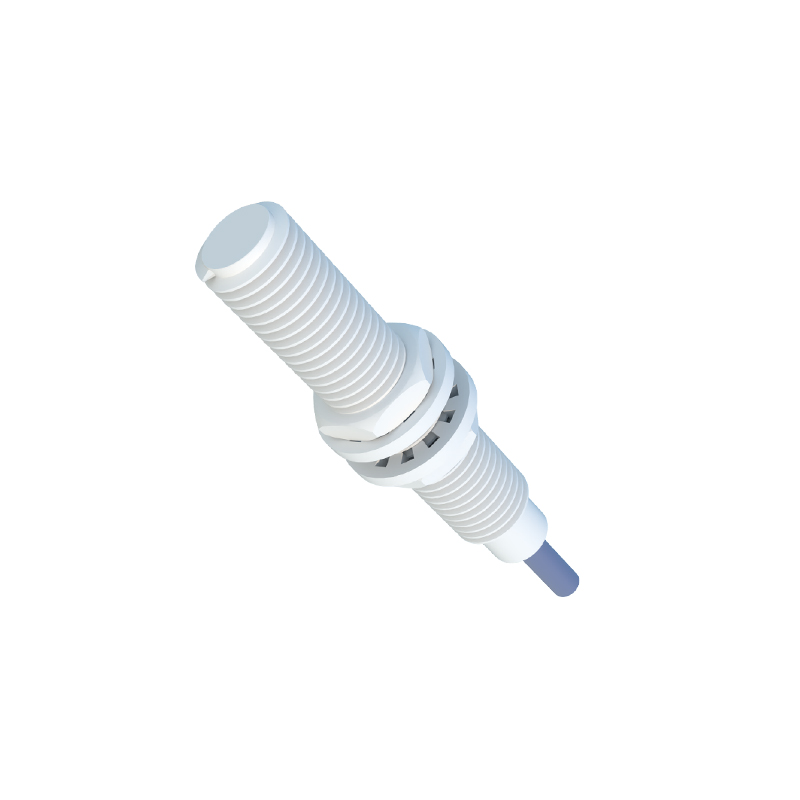
A proximity switch, or proximity sensor, is a non-contact device that detects the presence or absence of an object within its sensing range without any physical contact. It emits an electromagnetic field or a beam of electromagnetic radiation and looks for changes in the field or return signal. The primary advantage is the elimination of mechanical wear and tear, allowing for high-speed operation and longevity. Common types include inductive, capacitive, and photoelectric sensors. Inductive proximity sensors are widely used to detect metallic objects. They generate an oscillating electromagnetic field. When a metal object enters this field, it induces eddy currents in the target, causing a change in the sensor's oscillation amplitude, which triggers a switching signal. These are ideal for detecting parts on an assembly line or the position of a metal actuator. Capacitive proximity sensors can detect both metallic and non-metallic materials like plastic, wood, or liquids by measuring changes in capacitance. Photoelectric sensors use light beams, making them suitable for long-range detection and transparent object sensing.
A limit sensor, more precisely a limit switch, is typically a mechanical-electrical device. It consists of an actuator mechanically linked to a set of electrical contacts. When an object (or "target") makes physical contact with the actuator, it moves the contacts to either make or break an electrical connection. This provides a definitive, physical confirmation of an object's position. They are the workhorses for defining the endpoints of motion, such as the fully open or fully closed position of a gate, the travel limit of a linear actuator, or the home position of a machine carriage. Their design is straightforward and robust, offering a clear, hard-wired signal that is often used for critical safety interlocks. For instance, a limit switch on a safety guard door will cut power to a machine if the door is opened.
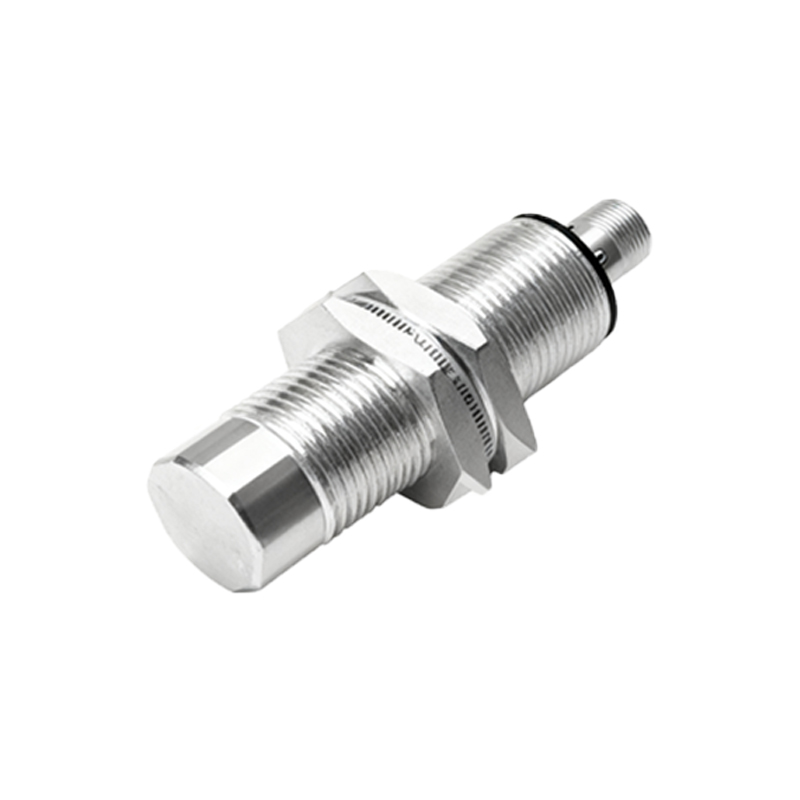
The line between the two blurs with non-contact limit sensing. Here, a proximity sensor is used to perform the function of a limit switch—detecting an object at a specific point to halt or initiate a sequence—but without physical contact. This is often referred to as a "proximity limit sensor" or an electronic limit switch. This application combines the durability of non-contact sensing with the positional certainty of a limit function. For example, in a high-speed bottling plant, an inductive proximity sensor might be used to detect each bottle and count them, while another is positioned as a limit sensor to confirm the filler head is in the correct "home" position before starting a cycle.
Selecting the right sensor depends on the application's specific demands. Consider the target material: Is it metal, plastic, or liquid? For ferrous metals, an inductive sensor is often the best choice. For other materials, capacitive or photoelectric sensors are needed. Evaluate the required sensing distance. Proximity sensors have defined ranges, while mechanical limit switches require direct contact. The operating environment is crucial. Mechanical limit switches can be susceptible to contamination, wear, and physical damage from repeated impact. Proximity sensors, especially those with high IP ratings, can perform well in dusty, wet, or oily environments where mechanical switches might fail. Finally, consider speed and reliability. For high-cycle applications, the non-contact nature of proximity sensors provides a significant advantage in lifespan and maintenance reduction.
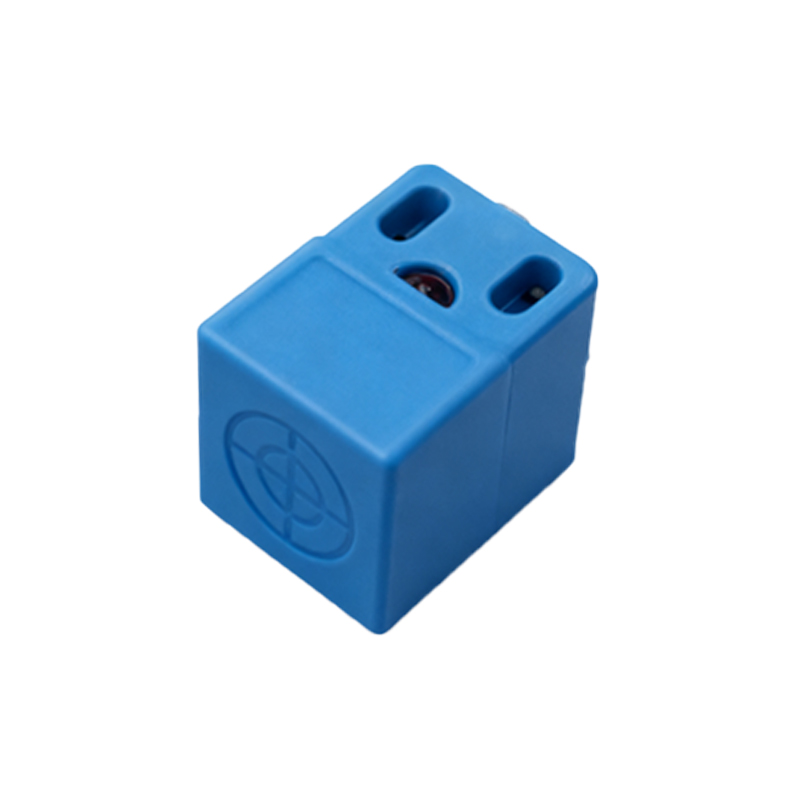
In modern programmable logic controller (PLC) based systems, the signals from both proximity switches and limit sensors are integral inputs. A proximity sensor might provide a continuous stream of data for process monitoring, while a limit sensor's signal often acts as a definitive program step trigger or a safety-critical input within the ladder logic. Their integration allows for complex sequences where a machine moves until a limit is reached, verified by a sensor, before the next automated step begins.
Ultimately, proximity switches and limit sensors are foundational elements of control logic. Proximity switches offer versatile, non-contact detection for process control and feedback. Limit switches provide robust, physical confirmation of position for safety and sequence control. By leveraging the strengths of each—or utilizing proximity technology for limit functions—engineers and technicians can build automated systems that are not only intelligent and efficient but also durable and safe. Their proper selection, installation, and maintenance are simple yet vital steps in ensuring the smooth and uninterrupted operation of the automated industrial world.