In the rapidly evolving landscape of industrial automation, precision, reliability, and efficiency are non-negotiable. Photoelectric proximity sensors stand as critical components in this ecosystem, enabling non-contact detection of objects with high accuracy. As a seasoned electrical engineer with decades of field experience, I have witnessed firsthand the transformative impact of selecting the right sensor. This article distills that expertise into a curated recommendation of five exceptional photoelectric proximity sensors, evaluated based on sensing range, environmental robustness, response time, and integration capabilities.
First on the list is the Omron E3Z Series. Renowned for its exceptional durability and consistent performance, this series excels in harsh industrial environments. Featuring a sensing range of up to 4 meters, it offers both diffuse and retro-reflective models. Its IP67 rating ensures resistance against dust and water ingress, making it ideal for packaging, material handling, and automotive assembly lines. The built-in sensitivity adjustment potentiometer allows for fine-tuning on-site, reducing downtime during installation.
Next, the Sick WTT Series deserves attention for its advanced background suppression technology. This sensor effectively ignores distant objects and reflective surfaces, focusing solely on the target. With a precise range of up to 300 mm, it is perfect for applications requiring high positional accuracy, such as robotic pick-and-place systems and electronic component verification. Its compact design and IO-Link compatibility facilitate seamless integration into smart factory networks, enabling predictive maintenance and data logging.
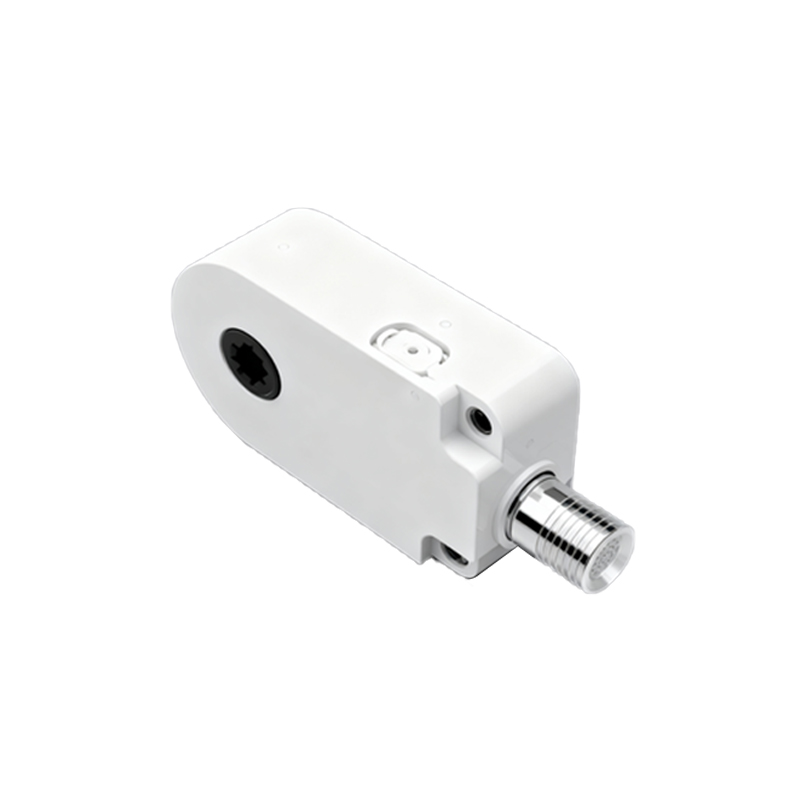
For long-range detection needs, the Banner Q45 Series is a standout. Capable of detecting objects up to 60 meters away, this sensor utilizes modulated infrared light to minimize interference from ambient light. Its robust aluminum housing withstands mechanical stress and temperature fluctuations from -40°C to 70°C. Industries like lumber processing, warehouse logistics, and large-scale conveyor systems benefit immensely from its reliability and extended range. The optional teach-in function simplifies setup, allowing operators to program detection parameters quickly.
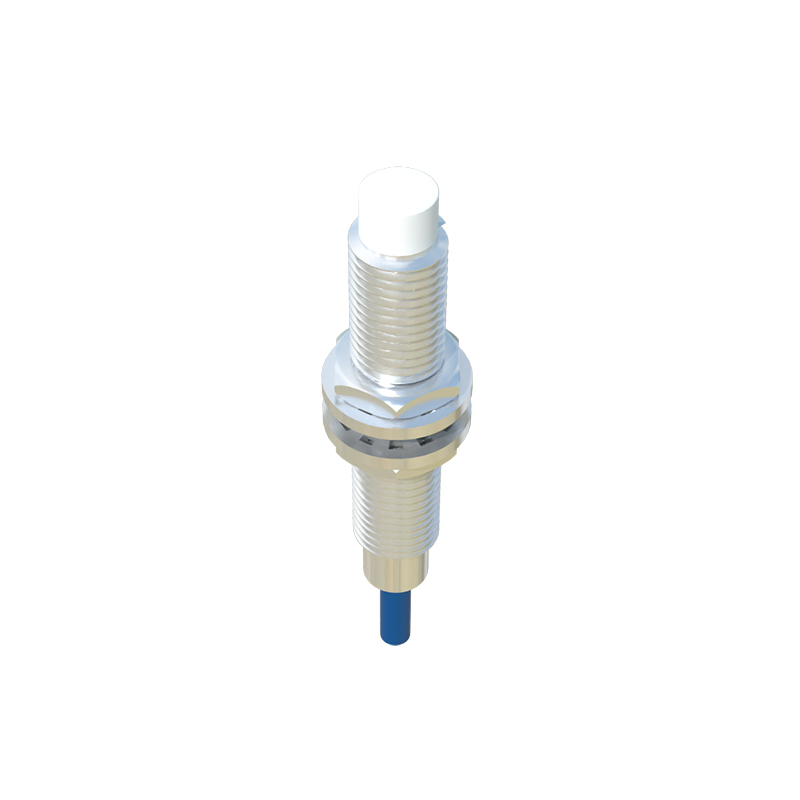
The Keyence FX-500 Series introduces cutting-edge digital processing. It boasts ultra-high-speed response times of 50 microseconds, making it suitable for high-speed production lines, such as bottling or semiconductor manufacturing. Its multi-point teaching function and automatic sensitivity adjustment adapt to varying target colors and surface finishes, reducing calibration efforts. The intuitive status indicators and diagnostic outputs preempt potential failures, enhancing overall system uptime.
Finally, the Pepperl+Fuchs ML100 Series offers remarkable versatility. Available in diffuse, retro-reflective, and through-beam variants, it caters to diverse application scenarios. The patented "Auto-Teach" feature enables one-button configuration, ideal for dynamic environments where object properties change frequently. With an IP69K rating, it can endure high-pressure washdowns, making it a prime choice for food and beverage or pharmaceutical industries where hygiene is paramount. Its robust M18 housing ensures longevity even in corrosive atmospheres.
When selecting a photoelectric proximity sensor, engineers must consider specific application parameters: target material, color, size, environmental conditions, and required response speed. Each recommended series here addresses distinct operational challenges. For instance, the Omron E3Z is a workhorse for general-purpose durability, while the Keyence FX-500 pushes the boundaries of speed and precision. Integrating these sensors into a controlled network via IO-Link or Ethernet/IP can unlock additional value through real-time monitoring and analytics.
Regular maintenance, such as lens cleaning and alignment checks, prolongs sensor life and ensures consistent detection. As Industry 4.0 advances, the convergence of robust hardware like these sensors with intelligent software platforms will continue to drive automation efficiency. Investing in high-quality photoelectric sensors not only optimizes current processes but also future-proofs operations against evolving technological demands.