In the intricate and safety-critical world of aviation, proximity sensors are indispensable components, acting as the "eyes" of various aircraft systems. These non-contact devices detect the presence or absence of an object within a defined range, providing crucial data for flight control, landing, engine management, and overall system health. Their reliability, precision, and durability are paramount, given the extreme operational environments. This article delves into the primary types of proximity sensors employed in modern aircraft, exploring their operating principles and key applications.
Inductive Proximity Sensors
Inductive sensors are fundamental for detecting metallic objects. They operate by generating an electromagnetic field from a coil in the sensor head. When a ferrous or non-ferrous metal target enters this field, it induces eddy currents, causing a change in the oscillation amplitude. This change is detected by the sensor's circuitry, triggering an output signal. In aviation, their robustness makes them ideal for:
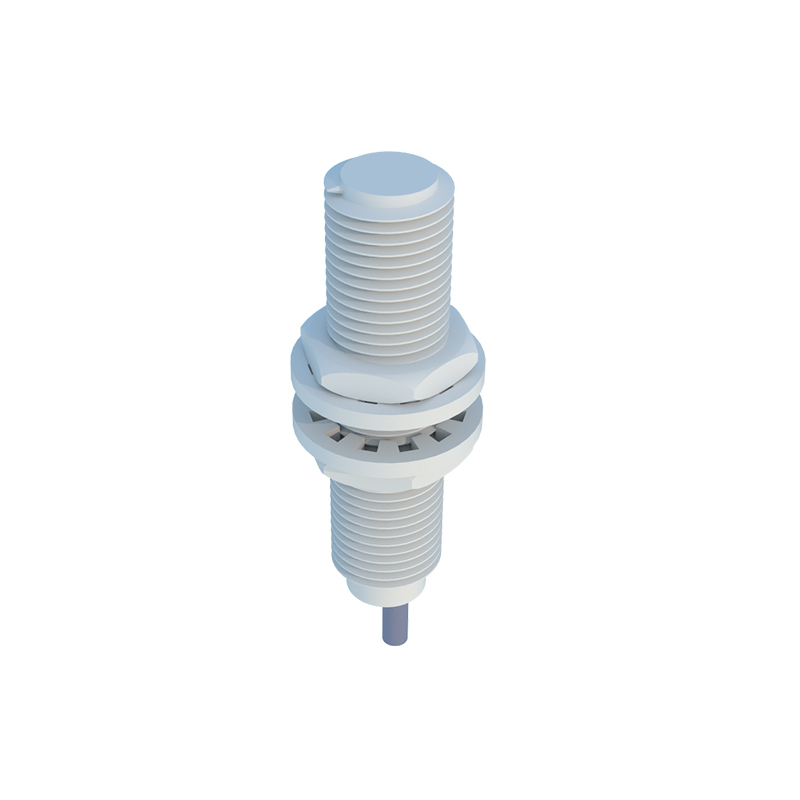
Landing Gear Systems: Monitoring the "up-and-locked" or "down-and-locked" position of landing gear. Sensors confirm the physical position of gears and doors, providing vital inputs to the cockpit indication systems.
Engine Health Monitoring: Detecting the speed and position of compressor and turbine blades (blade tip timing/clearance monitoring) to assess engine efficiency and prevent dangerous blade rubs.
Door and Hatch Sensing: Ensuring cargo doors, access panels, and emergency exits are securely closed and latched before flight.
Capacitive Proximity Sensors
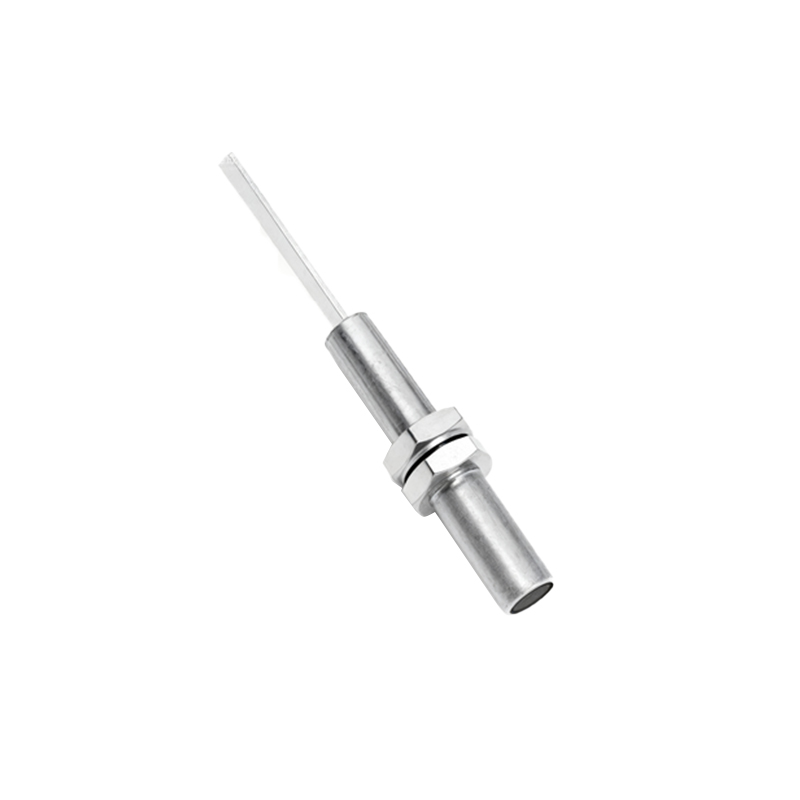
Capacitive sensors can detect both metallic and non-metallic materials (liquids, plastics, etc.) by measuring changes in capacitance. The sensor and the target act as two plates of a capacitor. As a target approaches, it alters the dielectric constant of the space between them, changing the capacitance and triggering detection. Aircraft applications include:
Fuel Level and Content Sensing: Used in fuel tanks to measure fuel quantity and detect the presence of water or other contaminants in fuel lines.
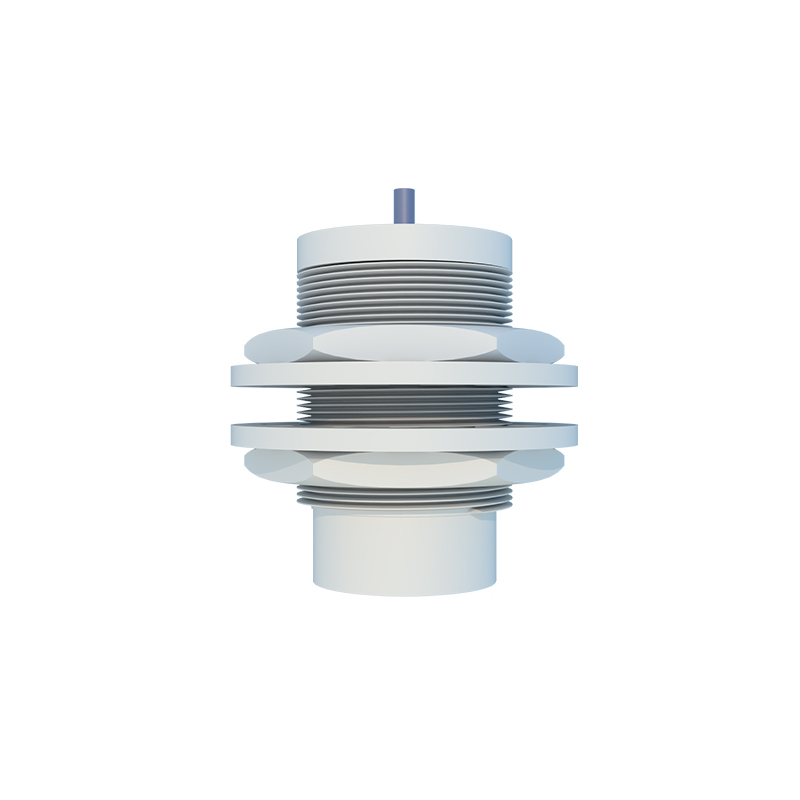
Ice Detection: Certain systems use capacitive principles to sense ice accretion on wings or engine inlets by detecting the change in dielectric material on the sensor surface.
Liquid Presence in Bilges: Monitoring for fluid leaks (hydraulic, fuel, water) in aircraft bilge areas.
Ultrasonic Proximity Sensors
These sensors emit high-frequency sound waves (ultrasound) and evaluate the echo reflected back from a target. The time interval between sending the signal and receiving the echo is used to calculate the distance to the object. They are effective for both solid and liquid targets over longer ranges than inductive or capacitive sensors.
Terrain Proximity Warning: While primary systems like Radar Altimeters are used, ultrasonic principles can be part of secondary or backup systems for low-altitude operations.
Docking Systems: Assisting in precise positioning of large aircraft at gates, especially in automated docking guidance systems.
Liquid Level Sensing in Reservoirs: For non-fuel liquids like hydraulic fluid or water in auxiliary tanks.
Optical Proximity Sensors (Photoelectric)
Optical sensors use light beams (visible, infrared, laser) to detect objects. They consist of an emitter and a receiver. The detection occurs when the target interrupts (through-beam) or reflects (retro-reflective, diffuse) the light beam. Their high precision is leveraged in:
Thrust Reverser Position: Monitoring the deployment and stowage status of engine thrust reversers.
Cargo Handling Systems: Detecting the position of cargo containers and pallets within the hold.
Smoke Detection: Some smoke detectors in cargo bays and lavatories operate on optical principles, detecting light scattered by smoke particles.
Eddy-Current Sensors
A highly precise subtype of non-contact sensing, eddy-current sensors are used for exact displacement and position measurement of conductive targets. They generate a high-frequency electromagnetic field, and the interaction with the target provides extremely accurate gap measurements.
Engine Vibration Monitoring: Precisely measuring shaft radial and axial displacement to monitor bearing health and rotor dynamics.
Active Clearance Control: In advanced jet engines, these sensors provide real-time data to actively manage the tip clearance between rotating blades and the engine casing for optimal performance.
Hall Effect Sensors
These sensors detect the presence and strength of a magnetic field. When a magnetic target (e.g., a gear tooth or a magnet) passes near the sensor, it outputs a proportional voltage. They are solid-state and highly reliable.
Engine and Auxiliary Power Unit (APU) Speed Sensing (Tachometry): Measuring the rotational speed (RPM) of shafts by detecting passing gear teeth or magnetic encoder pulses.
Flap and Slat Position Sensing: