In the realm of industrial automation and precision control, the laser sensor proximity switch stands as a pivotal component, enabling non-contact detection with exceptional accuracy. Unlike traditional mechanical limit switches or inductive/capacitive proximity sensors, laser-based variants utilize a focused beam of light to determine the presence, absence, or position of an object. This technology offers distinct advantages in scenarios demanding high precision, long sensing ranges, or the detection of very small or specific targets.
The fundamental operating principle is straightforward yet sophisticated. A laser diode emits a coherent, monochromatic light beam toward a target. When this beam strikes an object, it is reflected back to a receiver element within the sensor. The internal electronics then analyze the reflected signal. In a typical diffuse reflection model, the sensor detects the intensity of the light returning from the target. Once this intensity surpasses a pre-set threshold—indicating an object is within the defined sensing range—the sensor's output switch changes state, sending a signal to a controller like a PLC. More advanced versions use time-of-flight or triangulation principles to not only detect presence but also precisely measure distance.
The benefits of choosing a laser proximity switch are compelling. First and foremost is precision. The extremely small spot size of the laser beam allows for the detection of minute objects, such as tiny electronic components or fine wires, that other sensors might miss. It also enables precise edge detection or positioning. Second is the long sensing range. Depending on the model, laser sensors can reliably detect objects from a few centimeters up to several meters away, far exceeding the capabilities of standard photoelectric or inductive sensors. Third is versatility. They are largely unaffected by the target material's color, reflectivity (within limits), or surface characteristics, unlike standard photoelectric sensors which can struggle with dark or absorbent materials. This makes them suitable for detecting a wide array of objects, from transparent glass and shiny metals to matte plastics.
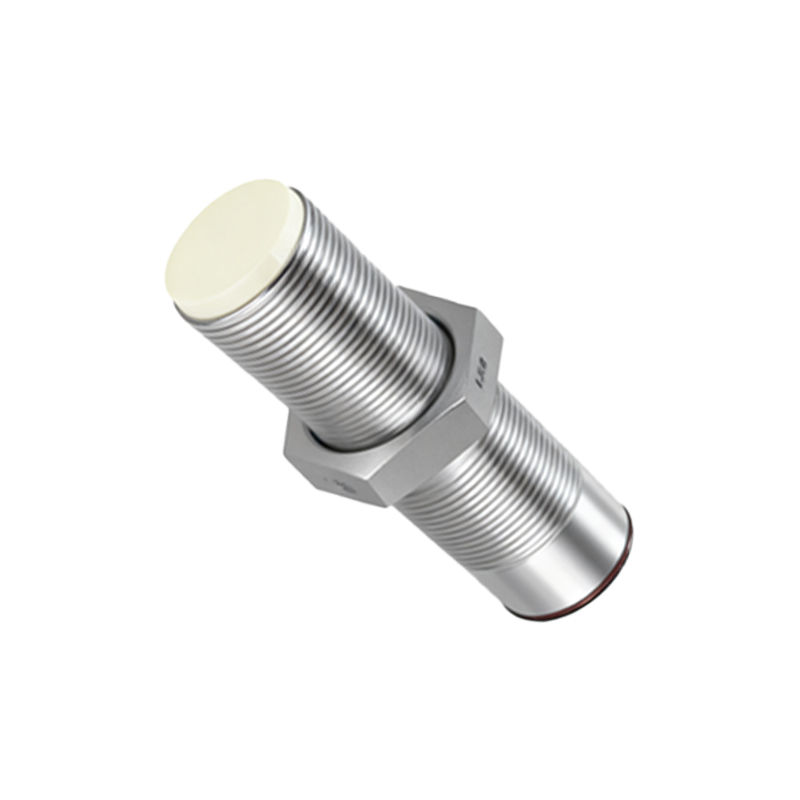
Applications for laser sensor proximity switches are vast and varied across industries. In the electronics manufacturing sector, they are indispensable for verifying the placement of microchips on circuit boards, counting thin wafers, or ensuring the precise alignment of components. Within automated packaging lines, they control fill levels by detecting the position of products inside boxes or verify the presence of labels on bottles. In material handling and logistics, they are used for palletizing, detecting objects on high-speed conveyors, and ensuring robot grippers have correctly picked up an item. Furthermore, they play a critical role in safety systems, such as forming light curtains to protect hazardous areas on machinery.
Selecting the right laser proximity switch requires careful consideration of several parameters. The key specification is the sensing range, which must accommodate the maximum distance at which the target will be detected. The required resolution or spot size is equally crucial for detecting small features. The response time, or how quickly the sensor can switch its output after detection, is vital for high-speed applications. Environmental factors cannot be ignored; one must consider potential exposure to dust, moisture (look for IP ratings), ambient light interference, and vibration. Finally, the output type (e.g., NPN, PNP, analog, or IO-Link) must be compatible with the existing control system.
Installation and maintenance are generally simple but require attention to detail. Ensuring the sensor is securely mounted and correctly aligned with the target path is fundamental. Regular cleaning of the lens is necessary to prevent dust or grime from attenuating the laser beam and causing false readings. Most modern sensors feature built-in indicators for alignment aids and operational status, simplifying setup and troubleshooting.
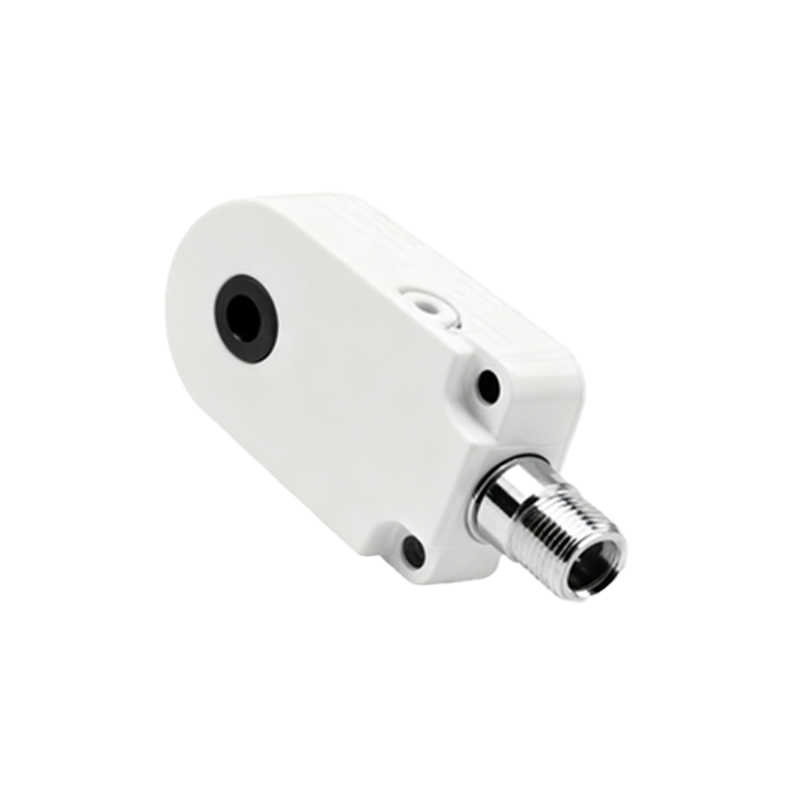
In conclusion, laser sensor proximity switches represent a powerful fusion of optical precision and robust switching functionality. They solve complex detection challenges where other sensor technologies fall short, providing reliability, accuracy, and flexibility. As automation demands continue to evolve toward greater precision and speed, the role of the laser proximity switch will only become more central, driving efficiency and innovation on the factory floor and beyond.