In the realm of industrial automation, Omron proximity sensors stand as a cornerstone technology, enabling precise, non-contact detection of objects across diverse manufacturing and processing environments. These sensors, renowned for their robustness and accuracy, play a pivotal role in enhancing operational efficiency, ensuring safety, and facilitating complex control systems without physical interaction with target objects.
Omron's extensive portfolio encompasses various sensing technologies, primarily inductive, capacitive, and magnetic types, each tailored to specific application needs. Inductive proximity sensors are the most prevalent, designed to detect metallic objects. They generate an electromagnetic field and react to eddy current losses induced in the target metal. Omron's inductive sensors, such as the E2E and E2A series, are celebrated for their long sensing distances, high-speed response, and exceptional resistance to environmental factors like oil, water, and dust, often conforming to IP67 or higher protection ratings. This makes them ideal for harsh settings in automotive assembly, metalworking, and packaging machinery.
Capacitive proximity sensors, on the other hand, can detect a wider range of materials, including metals, plastics, liquids, and granular substances. They operate by sensing changes in capacitance caused by the presence of a target object within an electrostatic field. Omron's capacitive models, like the E2K series, offer stable detection even for non-metallic objects and are frequently employed in level control, material handling, and food processing industries where versatility is paramount.
For applications requiring detection through non-ferrous metals or where space constraints are severe, Omron provides magnetic proximity sensors (often called reed switches or magnet sensors). These devices activate in the presence of a magnetic field, commonly from a permanent magnet attached to a moving part. They are integral in position detection for cylinders, doors, and safety interlocks, offering a simple, cost-effective, and highly reliable solution.
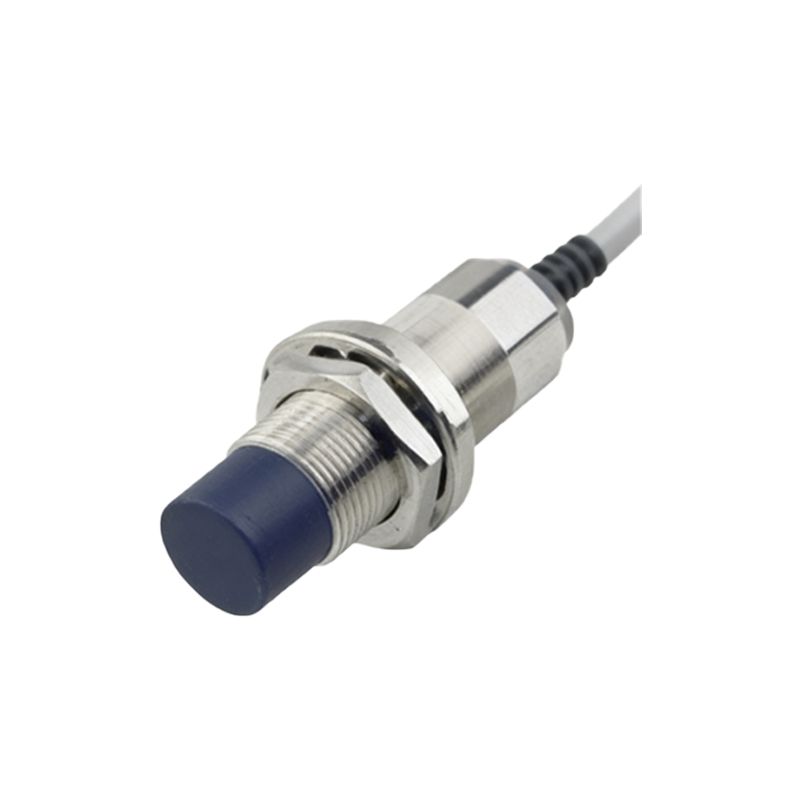
A key strength of Omron proximity sensors lies in their advanced design features. Many models incorporate built-in diagnostics, such as operation indicators and output status LEDs, which simplify installation, troubleshooting, and maintenance. The development of miniaturized sensors, like the ultra-compact E2E Slim series, addresses the growing demand for space-saving components in modern, dense machinery layouts. Furthermore, Omron has made significant strides in enhancing noise immunity and temperature tolerance, ensuring stable performance in electrically noisy environments and extreme thermal conditions ranging from -25°C to 70°C or beyond.
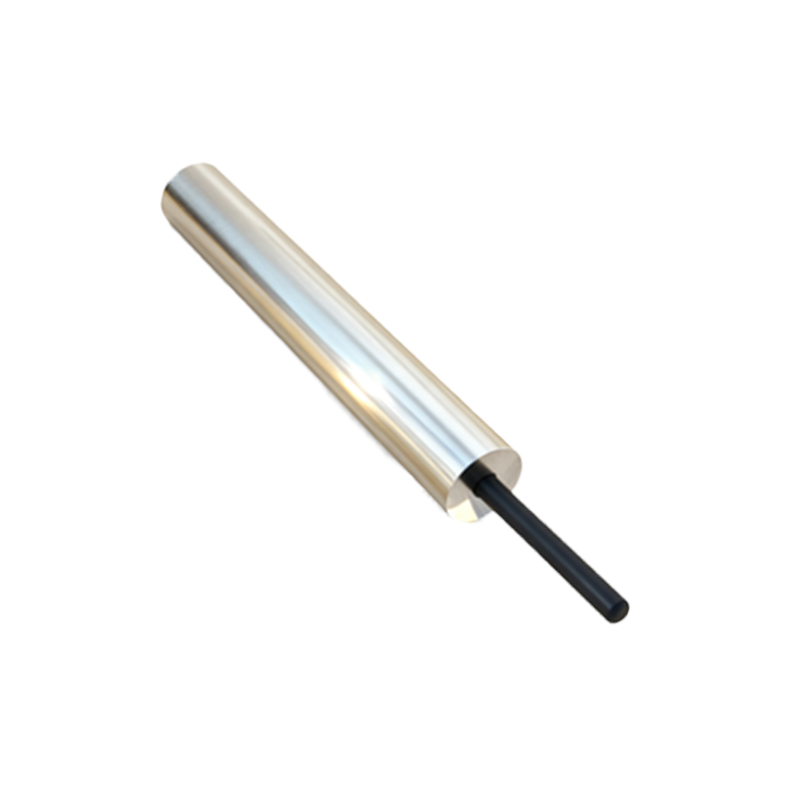
Integration into broader control systems is seamless, thanks to compatibility with Programmable Logic Controllers (PLCs) and network protocols. Omron sensors often feature standardized output types (NPN/PNP) and connection methods (pre-wired connectors or quick-disconnect terminals), reducing wiring complexity and downtime during replacement. The emphasis on durability is evident, with housings typically constructed from stainless steel or nickel-plated brass, safeguarding against mechanical impact and chemical corrosion.
In practical applications, Omron proximity sensors contribute to numerous automated processes. On assembly lines, they precisely count parts, detect presence/absence, and control robotic arm positioning. In conveyor systems, they monitor object passage and trigger sorting mechanisms. Within automated storage and retrieval systems (AS/RS), they ensure accurate pallet positioning. Their role in safety is equally critical, often serving as non-contact interlocks to prevent machine operation when guards are open or personnel are in hazardous zones.
Looking ahead, trends like Industry 4.0 and the Industrial Internet of Things (IIoT) are shaping the next generation of Omron sensors. Enhanced models now offer IO-Link communication capabilities, enabling detailed parameter setting, real-time monitoring of sensor health, and predictive maintenance data collection. This digital transformation allows sensors to transmit not just simple on/off signals but also valuable process data, such as sensing distance variations or temperature readings, directly to higher-level control systems for analytics and optimization.
In conclusion, Omron proximity sensors represent a blend of precision engineering, reliability, and innovation. By providing dependable non-contact detection across countless industrial scenarios, they form an indispensable component in the automation ecosystem. Their continuous evolution—driven by demands for miniaturization, smarter connectivity, and greater resilience—ensures they will remain at the forefront of enhancing productivity and safety in the automated factories of today and tomorrow.