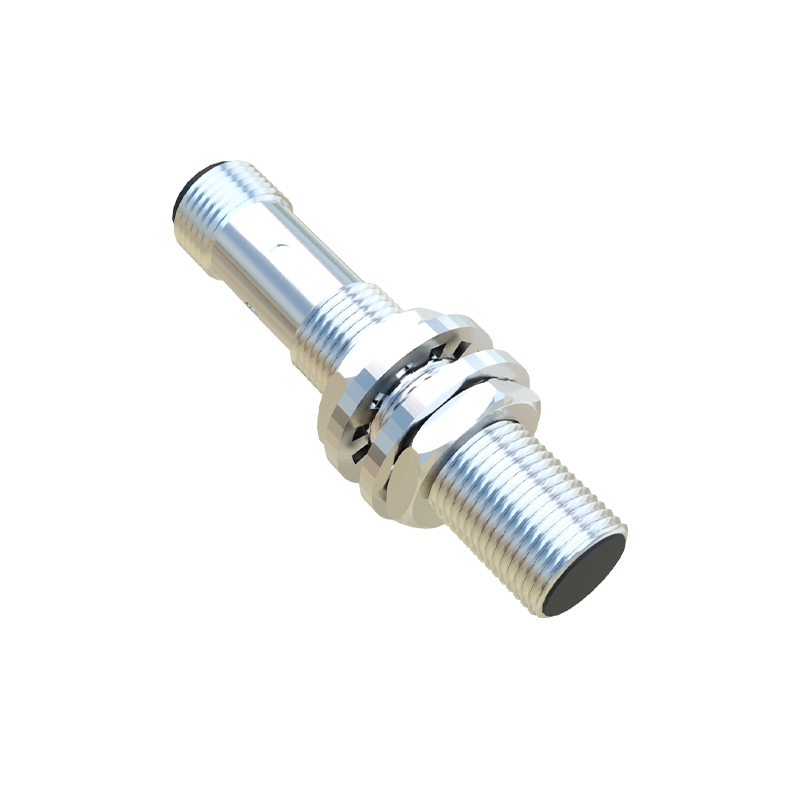
As a seasoned electrical engineer specializing in aviation systems, I have encountered numerous cases where proximity sensor failures in remote control (RC) aircraft lead to avoidable accidents. Proximity sensors are critical components that enable RC aircraft to detect obstacles, maintain safe distances, and execute automated maneuvers. This article provides a comprehensive guide to inspecting and maintaining these sensors, ensuring optimal performance and safety.
Proximity sensors in RC aircraft typically utilize infrared (IR), ultrasonic, or LiDAR technology. Each type has distinct inspection protocols. For IR sensors, begin by checking the emitter and receiver lenses for dirt, scratches, or misalignment. Even minor obstructions can scatter IR signals, causing false readings. Use a soft, lint-free cloth and isopropyl alcohol for cleaning. Next, verify the sensor’s output using a multimeter or oscilloscope. A stable voltage output within the manufacturer’s specified range indicates proper function. Fluctuations or zero output suggest internal damage, often due to voltage spikes or physical impact.
Ultrasonic sensors require attention to the transducer membrane. Inspect for cracks or deformities that could dampen sound waves. Test responsiveness by placing an object at a known distance (e.g., 50 cm) and monitoring the sensor’s feedback via a flight controller interface. Inconsistent readings may point to faulty signal processing circuits. Additionally, ensure the sensor is mounted securely, as vibrations from motors can loosen connections, leading to erratic behavior.
LiDAR sensors, common in advanced RC models, demand meticulous care. Dust on optical components can severely degrade accuracy. Inspect lenses with a magnifying tool and clean them using specialized optical wipes. Calibration is crucial; follow the manufacturer’s guidelines to align scanning angles. Use diagnostic software to check for anomalies in point cloud data, which might indicate laser diode degradation.
Environmental factors significantly impact sensor reliability. Moisture ingress is a common issue—apply conformal coating to circuit boards if operating in humid conditions. Extreme temperatures can also affect sensitivity; store RC aircraft in controlled environments when not in use. Regularly update firmware, as manufacturers often release patches to improve sensor algorithms and noise filtering.
Preventive maintenance includes periodic bench testing. Disconnect sensors from the flight controller and simulate detection scenarios using calibrated tools. Document performance metrics over time to identify gradual degradation. For instance, a gradual increase in response latency might precede total failure. Replace sensors showing signs of wear rather than waiting for complete breakdowns.
In summary, proactive inspection and maintenance of proximity sensors are non-negotiable for safe RC aircraft operation. By adhering to these technical protocols, enthusiasts and professionals can minimize risks and extend the lifespan of their equipment. Always prioritize manufacturer specifications and industry best practices to ensure precision and reliability.