In the realm of industrial automation, precision, reliability, and safety are paramount. Among the myriad components that ensure these standards, cylinder proximity sensors stand out as critical devices for monitoring and controlling pneumatic and hydraulic cylinder positions. These sensors are non-contact detection tools that play a vital role in enhancing system efficiency, preventing equipment damage, and facilitating seamless operations in manufacturing, packaging, automotive, and other sectors.
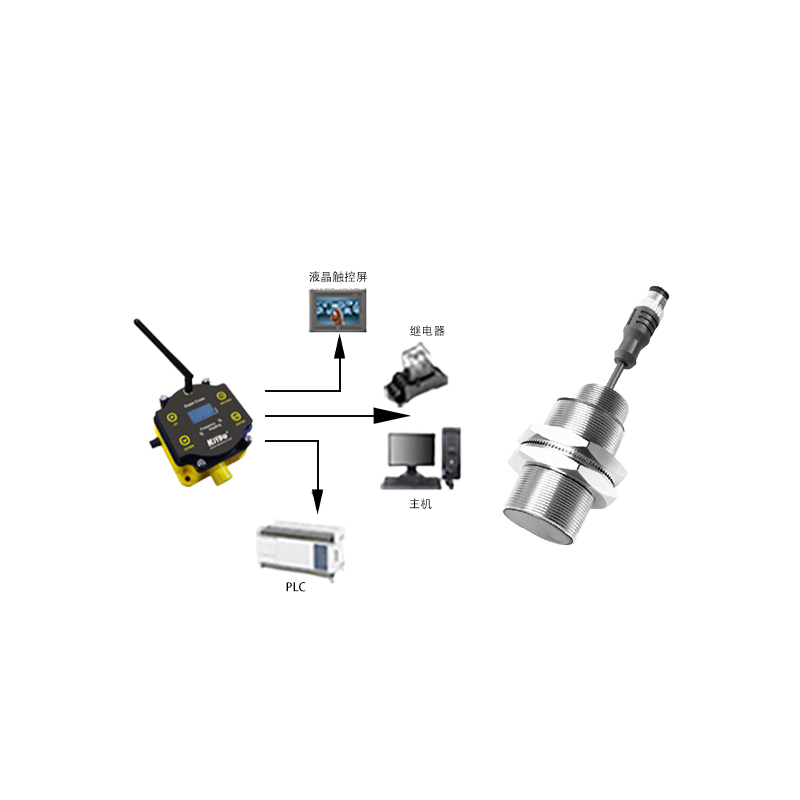
Cylinder proximity sensors function by detecting the presence or absence of a cylinder's piston or magnetic field without physical contact. Typically, they are mounted on the cylinder body and interact with a magnet integrated into the piston. When the piston moves to a specific position, the sensor detects the magnetic field change and sends an electrical signal to the control system, such as a PLC (Programmable Logic Controller). This signal confirms the cylinder's status—whether it is extended, retracted, or at an intermediate point—enabling precise control over machine sequences.
The primary types of cylinder proximity sensors include inductive, magnetic, and Hall-effect sensors. Inductive sensors detect metallic objects and are suitable for non-magnetic cylinders, while magnetic sensors, often reed switches or magnetoresistive types, respond to magnetic fields from piston magnets. Hall-effect sensors offer high accuracy and speed by measuring voltage changes in a magnetic field, making them ideal for demanding applications. Each type has distinct advantages: inductive sensors are durable in harsh environments, magnetic sensors are cost-effective and simple, and Hall-effect sensors provide superior performance in high-speed operations.
The importance of these sensors cannot be overstated. They contribute to operational efficiency by ensuring cylinders actuate correctly, reducing cycle times and minimizing downtime. For instance, in an assembly line, a sensor confirming a cylinder's retracted position allows the next process to begin, preventing collisions and jams. Safety is another critical aspect; sensors can trigger emergency stops if a cylinder fails to reach its intended position, protecting both machinery and personnel. Moreover, they aid in predictive maintenance by monitoring cylinder performance trends, alerting operators to potential issues like wear or misalignment before failures occur.
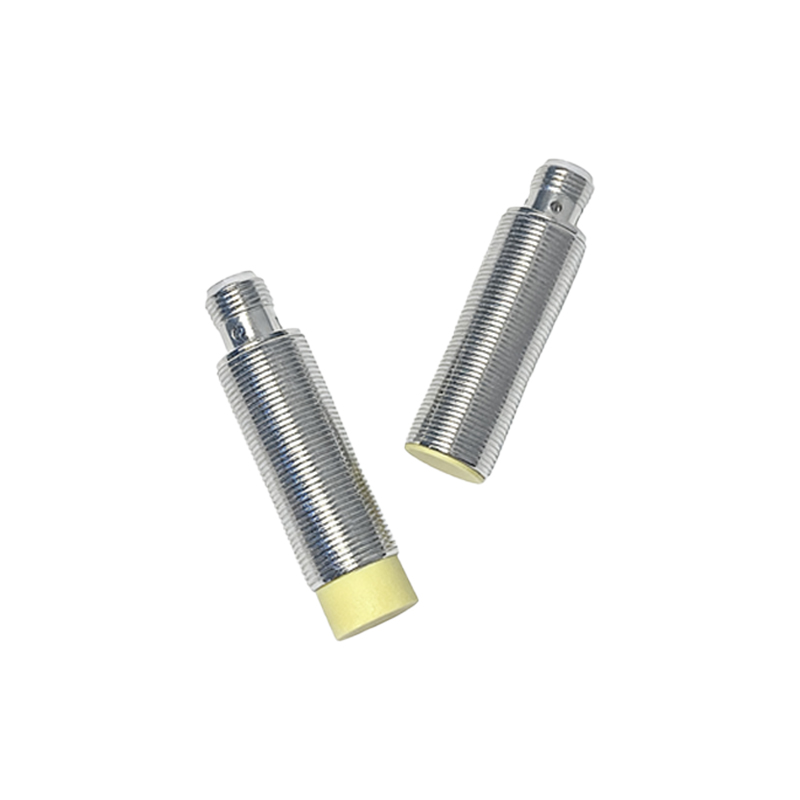
Installation and integration require careful consideration. Sensors must be correctly aligned with the piston magnet, and environmental factors like temperature, vibration, and exposure to chemicals should be accounted for. Modern sensors often feature robust housings, LED indicators for status, and adjustable sensitivity to adapt to various conditions. Integration with IoT (Internet of Things) systems is also becoming common, allowing for real-time data collection and remote monitoring, which aligns with Industry 4.0 initiatives for smarter factories.
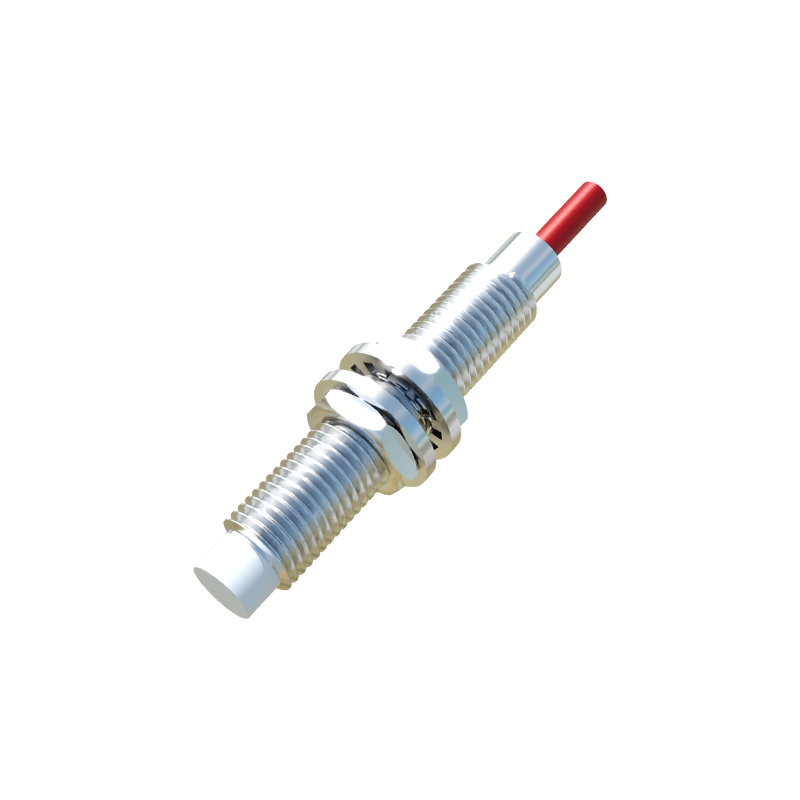
In practice, cylinder proximity sensors are ubiquitous. In automotive manufacturing, they control robotic arms that weld or paint car parts. In packaging machinery, they regulate the movement of cylinders that seal or fill containers. Even in complex hydraulic systems for construction equipment, sensors ensure cylinders operate within safe limits. Their versatility and reliability make them indispensable for achieving high levels of automation.
Looking ahead, advancements in sensor technology continue to evolve. Miniaturization allows for compact designs in space-constrained applications, while enhanced materials improve resistance to extreme conditions. Wireless and smart sensors are gaining traction, offering easier installation and advanced diagnostics. As industries strive for greater efficiency and connectivity, the role of cylinder proximity sensors will only expand, driving innovation in automation landscapes.
Ultimately, understanding and leveraging cylinder proximity sensors is essential for engineers and technicians. By selecting the right sensor type, ensuring proper installation, and integrating them effectively into control systems, businesses can optimize performance, enhance safety, and reduce operational costs. These small yet powerful components are the unsung heroes of industrial automation, quietly enabling the precision that modern manufacturing demands.