Inductive proximity sensors are essential components in modern industrial automation, offering non-contact detection of metallic objects. Among the various models available, the NBB3 series stands out as a reliable and widely used solution for diverse applications. This article delves into the technical specifications, operational principles, and practical uses of NBB3 proximity sensors, providing insights for engineers and technicians in the electrical and automation fields.
The NBB3 sensor operates on the principle of electromagnetic induction. It generates an oscillating electromagnetic field from its active face. When a metallic object enters this field, eddy currents are induced on the object's surface, causing a change in the oscillation amplitude within the sensor. This change is detected by the internal circuitry, which then triggers a switching signal. A key advantage of this technology is its ability to detect objects without physical contact, thereby minimizing wear and tear and ensuring long-term reliability. The sensor is specifically designed for ferrous metals, offering a stable sensing range typically up to 3 mm, though exact specifications can vary by model.
Constructed with a robust housing, often made of nickel-plated brass or stainless steel, the NBB3 is built to withstand harsh industrial environments. It features high protection ratings, such as IP67, making it resistant to dust, water jets, and temporary immersion. This durability is crucial for applications in manufacturing, packaging, and material handling where exposure to coolants, oils, or vibrations is common. The sensor is available in both normally open (NO) and normally closed (NC) configurations, providing flexibility in control system design. Its compact, cylindrical M12 or M18 form factor allows for easy integration into machinery and tight spaces.
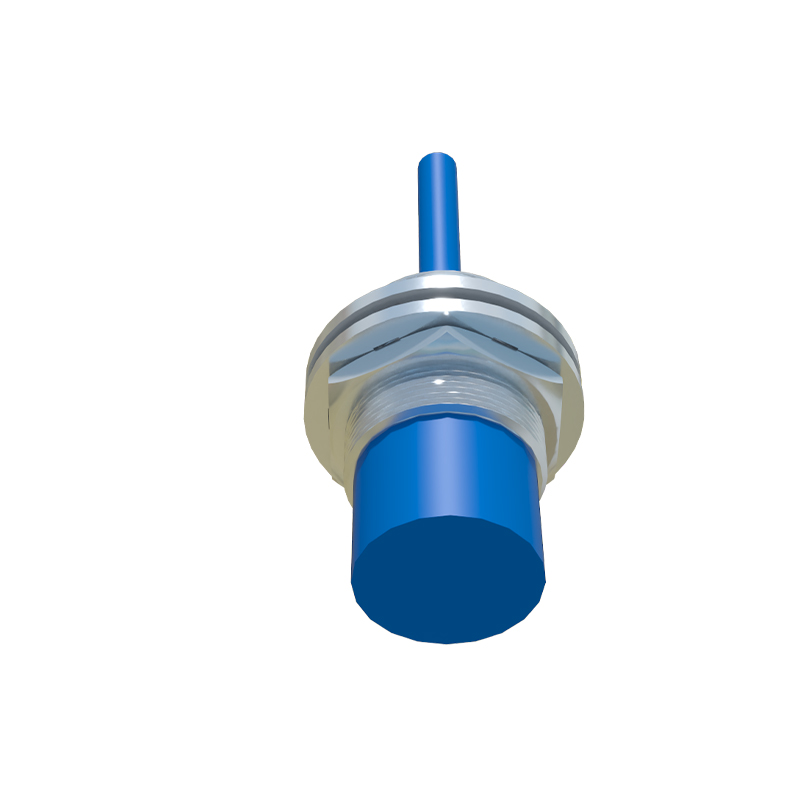
Electrical characteristics of the NBB3 series include a wide operating voltage range, commonly from 10 to 30 V DC, ensuring compatibility with standard industrial power supplies. It offers a short-circuit and reverse polarity protection, safeguarding connected circuits from damage. The output is typically a solid-state switch, either PNP (sourcing) or NPN (sinking), which interfaces seamlessly with programmable logic controllers (PLCs), relays, and other control devices. The switching frequency is sufficiently high for high-speed applications, such as counting parts on a conveyor belt or detecting positions in rapid assembly lines.
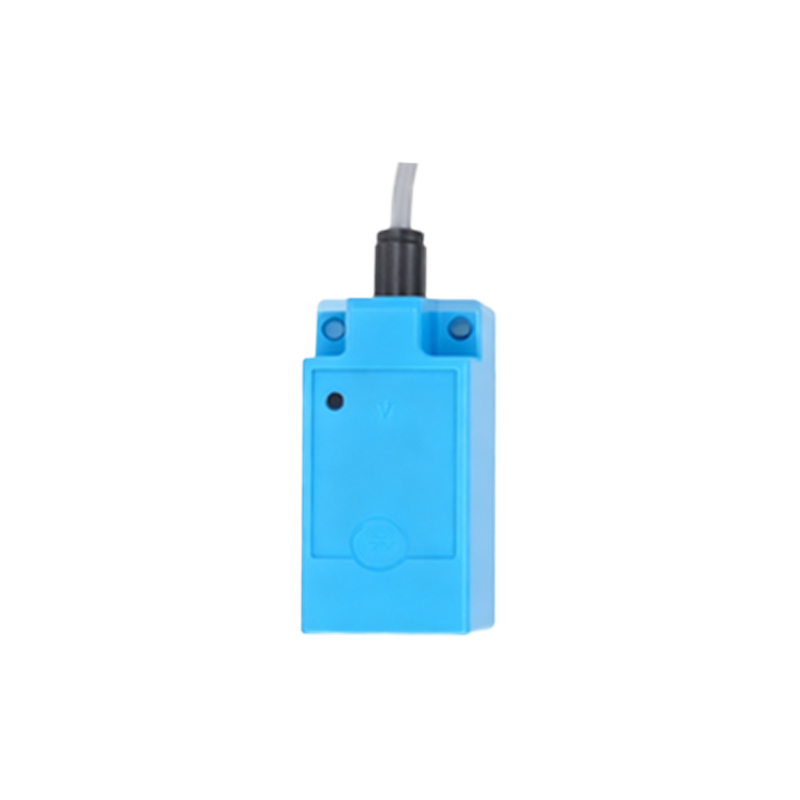
In practice, NBB3 sensors are deployed across numerous sectors. In automotive manufacturing, they detect the presence of metal components like engine blocks or pistons, ensuring precise positioning for robotic arms. In the packaging industry, they monitor fill levels by sensing metal lids or containers. They are also integral to material handling systems, where they confirm the passage of metal pallets or act as end-position detectors on linear actuators. Their immunity to non-metallic materials, such as plastics or wood, prevents false triggers, enhancing system accuracy.
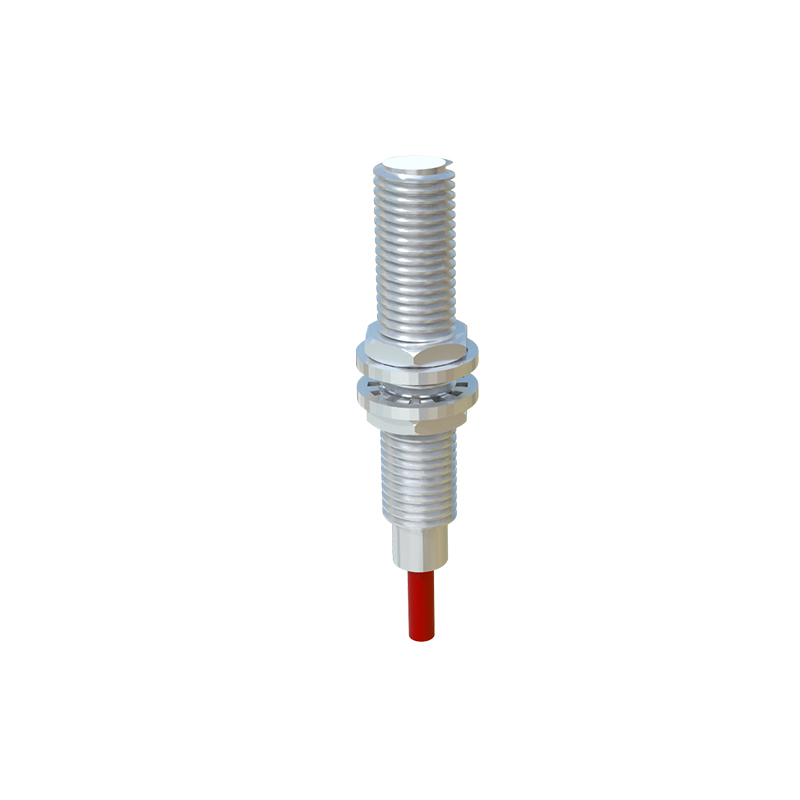
Installation and maintenance are straightforward. Proper mounting involves ensuring the correct sensing distance and avoiding interference from adjacent metal surfaces. Regular checks should focus on cleaning the active face from debris and verifying the electrical connections. While highly reliable, performance can be affected by extreme temperatures or strong electromagnetic interference, so environmental factors should be considered during selection.
Overall, the NBB3 inductive proximity sensor exemplifies efficiency and resilience in industrial sensing. Its combination of precise detection, rugged design, and ease of use makes it a preferred choice for engineers seeking to optimize automation processes. As industries evolve toward smarter manufacturing, such sensors remain foundational for enabling seamless, reliable operations.