In the modern agricultural and grain handling industries, the efficiency and safety of material transfer processes are paramount. Among the critical components in these systems, particularly within grain unloading operations such as those involving grain augers or pneumatic unloaders, proximity sensors play an indispensable role. These electronic devices are engineered to detect the presence or absence of an object within a specific sensing range without any physical contact. Their application in monitoring the position of a retractable unloading spout, commonly known as a grain unloading tube or卸粮筒, is a prime example of precision automation in harsh industrial environments.
The core function of a proximity sensor in this context is to provide real-time positional feedback. As the unloading tube extends or retracts to align with a truck bed, railcar, or storage bin inlet, the sensor ensures the spout is correctly positioned before grain flow commences. This prevents costly spills, reduces grain dust generation—a significant safety and health hazard—and minimizes mechanical strain on the equipment. The most commonly deployed types are inductive proximity sensors, renowned for their robustness. They detect metallic targets, such as the metal components of the tube's actuation mechanism or dedicated metal flags. In environments where non-metallic components are involved, capacitive sensors may be employed.
Key operational advantages are substantial. First, automation integration is seamless. The sensor's signal is fed into a Programmable Logic Controller (PLC) or a dedicated control unit, enabling fully automated or semi-automated sequencing of the unloading cycle. This reduces operator workload and human error. Second, reliability under duress is critical. High-quality proximity sensors are built to withstand the grueling conditions of grain handling: pervasive dust, moisture, mechanical vibrations, and wide temperature fluctuations. Enclosures with high Ingress Protection (IP) ratings, such as IP67 or IP69K, are standard to ensure longevity. Third, maintenance demands are low. Being non-contact, they avoid the wear and tear associated with mechanical limit switches, leading to less downtime and lower lifecycle costs.
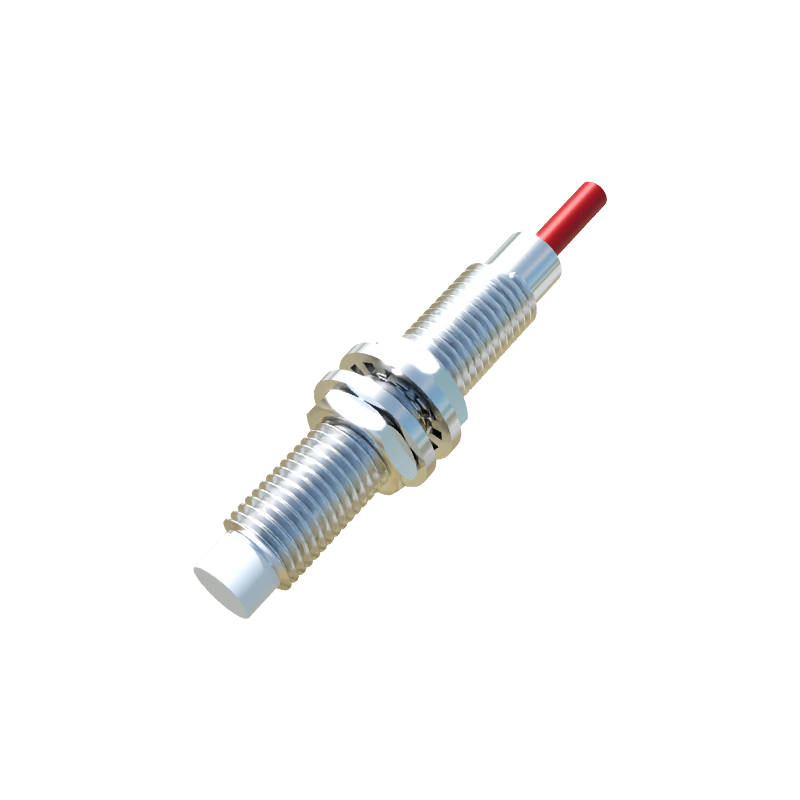
From a safety perspective, these sensors are vital. They can be integrated into safety interlock circuits. For instance, a sensor can confirm the unloading tube is fully retracted and locked before allowing the vehicle to move, preventing catastrophic collisions or damage. Furthermore, by ensuring precise operation, they contribute to reducing the risk of grain entrapment or engulfment scenarios around the unloading area, a serious occupational hazard.
When selecting a proximity sensor for a grain unloading tube, several technical parameters must be carefully evaluated. Sensing distance, or the nominal range at which the sensor can reliably detect the target, must be chosen with a safety margin to account for mechanical tolerances and vibration. The housing material, typically stainless steel or nickel-plated brass, must resist corrosion from fertilizers or cleaning agents. Output type (e.g., NPN or PNP transistor, Normally Open or Normally Closed) must be compatible with the existing control system's input card. Finally, factors like switching frequency and temperature range must align with the operational speed and environmental conditions of the specific facility.
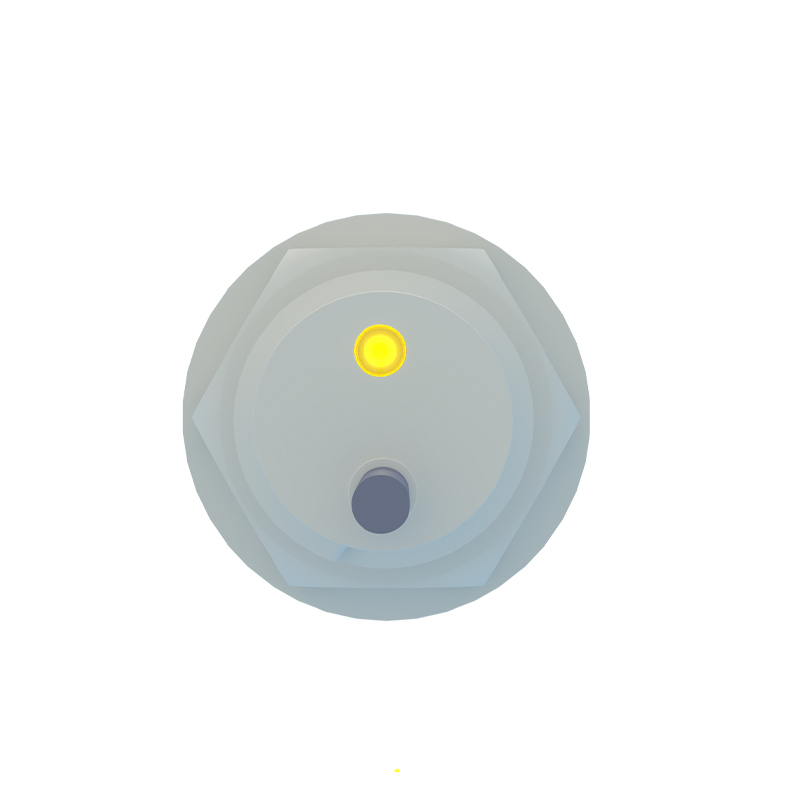
Installation and alignment are straightforward but crucial for optimal performance. The sensor must be securely mounted to avoid movement from vibration. The target's approach path relative to the sensor's sensing face must be consistent. Regular preventative maintenance, including visual inspection for physical damage and cleaning of the sensing face from dust or debris buildup, is recommended to ensure continuous reliability. A simple functional check during system startup can verify the sensor's operation.
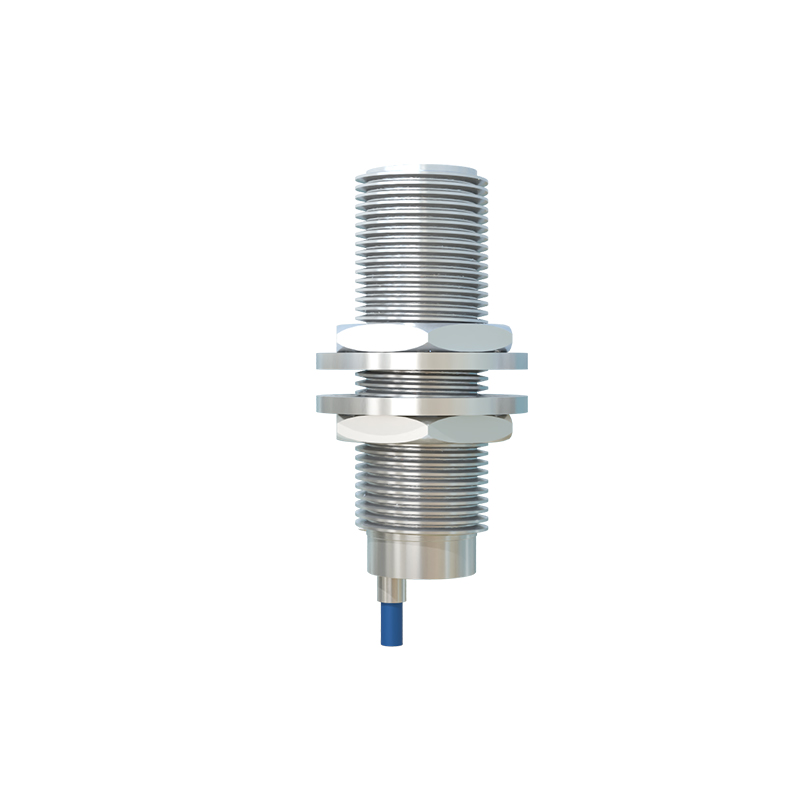
In conclusion, the integration of proximity sensors into grain unloading tube systems represents a smart investment in operational excellence. They are not merely components but enablers of automation, guardians of safety, and protectors of valuable assets. By providing accurate, non-contact detection, they ensure that the critical link between storage and transportation is executed with precision, enhancing throughput, protecting worker safety, and safeguarding the quality of the grain being handled. As technology advances, we see the integration of more sophisticated sensors with IO-Link communication, providing not just a binary signal but diagnostic data, paving the way for predictive maintenance and even greater system intelligence in the grain handling industry.