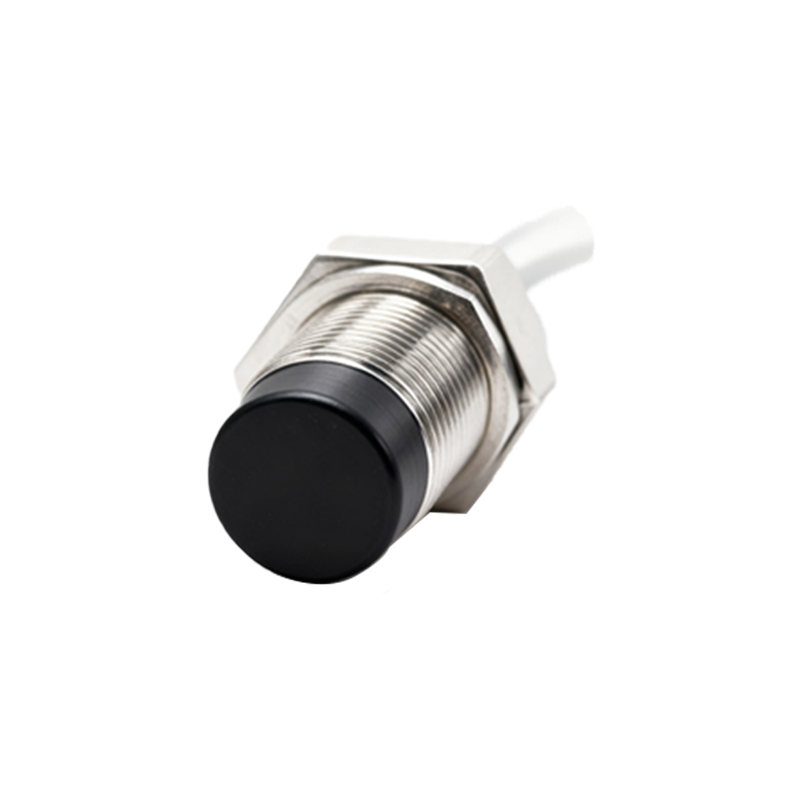
In the realm of industrial automation, proximity sensors stand as indispensable components, often referred to as universal switches due to their versatility and reliability. These non-contact sensing devices detect the presence or absence of objects within a specified range, triggering electrical signals without physical contact. This fundamental capability makes them critical in countless applications, from assembly lines and robotic systems to material handling and safety interlocks.
Proximity sensors primarily operate on electromagnetic, capacitive, or inductive principles. Inductive sensors, the most common type, generate an oscillating electromagnetic field. When a metallic object enters this field, it induces eddy currents, causing a change in oscillation amplitude. This change is detected by the sensor's circuitry, which then switches the output state. These sensors are highly valued for their durability, as the absence of moving parts minimizes wear and tear, ensuring long service life even in harsh industrial environments filled with dust, oil, or vibrations. Capacitive sensors function similarly but can detect both metallic and non-metallic materials (like plastics, liquids, or wood) by sensing changes in capacitance. Ultrasonic and photoelectric sensors also fall under the broad proximity category, using sound waves or light beams respectively, offering solutions for longer ranges or specific material challenges.
The designation "universal switch" stems from their ability to replace traditional mechanical limit switches. Unlike mechanical switches that require physical actuation and are prone to mechanical failure, proximity sensors offer solid-state reliability. They provide faster response times, often in microseconds, which is crucial for high-speed automation processes. Their installation flexibility is another key advantage; they can be embedded into machinery with minimal space requirements and are available in diverse form factors—cylindrical, rectangular, or ring-shaped—to suit various mounting configurations.
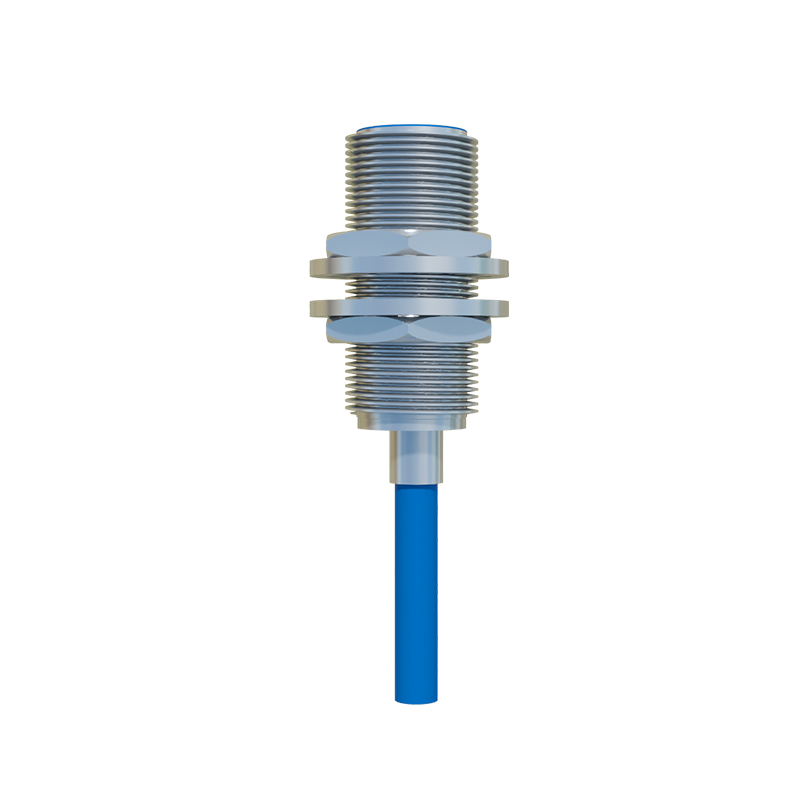
Selecting the right industrial proximity sensor involves several technical considerations. Sensing range, typically a few millimeters to several tens of millimeters, must be matched to the application. The choice of housing material, such as nickel-plated brass or stainless steel, determines resistance to chemicals, temperature extremes, and physical impact. Output types are also critical: PNP (sourcing) and NPN (sinking) transistor outputs are standard for programmable logic controller (PLC) interfaces, while some models offer analog outputs for distance measurement or digital outputs with IO-Link capability for advanced diagnostics and parameter setting.
In practical application, these sensors perform myriad tasks. They count objects on a conveyor, verify part positioning before a machining operation, detect the end of a roll in packaging machinery, or ensure a robotic gripper has successfully picked up a component. In safety systems, they can act as non-contact interlock switches to guard hazardous areas. Their robustness allows them to function reliably near welding equipment, in washdown areas, or under continuous operational stress.
Maintenance of industrial proximity sensors is generally minimal. However, environmental factors like excessive buildup of metallic swarf, strong electromagnetic interference from nearby motors, or misalignment can affect performance. Regular checks for mounting integrity, cleanliness of the sensing face, and verification of output signals are recommended as part of preventive maintenance routines.
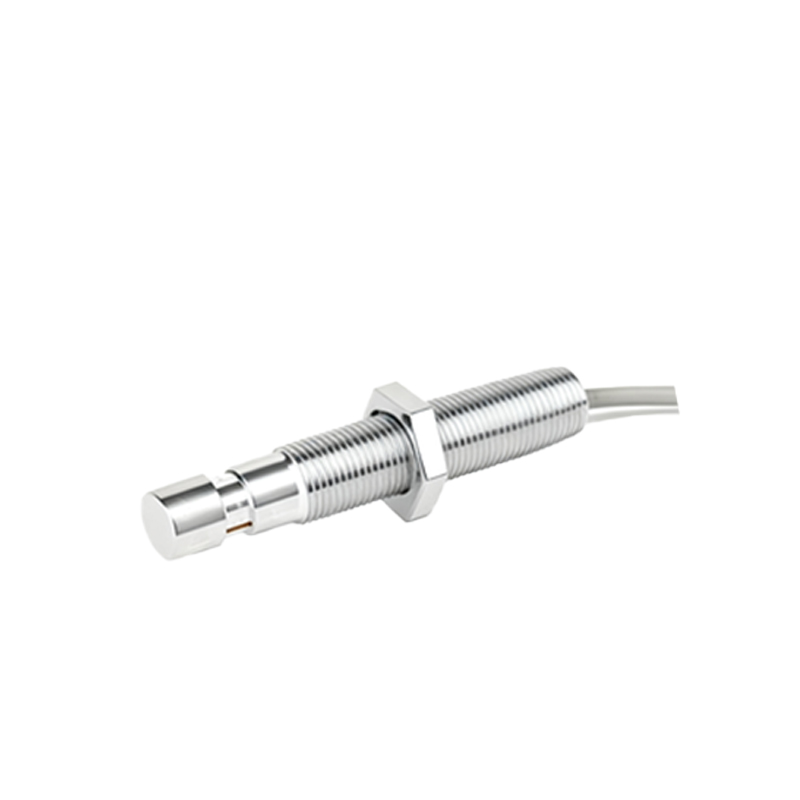
The evolution of Industry 4.0 and smart manufacturing has further elevated their role. Modern "smart" proximity sensors with integrated intelligence can communicate detailed status information, such as operating hours, temperature data, or signal strength, directly to higher-level control systems. This facilitates predictive maintenance, reduces downtime, and enhances overall equipment effectiveness (OEE).
In conclusion, the industrial proximity sensor, as a universal switching solution, is a cornerstone of automated systems. Its non-contact operation, environmental resilience, and adaptability make it a preferred choice for engineers seeking to enhance efficiency, safety, and reliability in modern industrial operations. As technology advances, these sensors will continue to evolve, integrating more connectivity and diagnostic features to meet the demands of increasingly intelligent factories.