Proximity sensors have become indispensable components in modern industrial automation, offering precise detection capabilities without physical contact. These devices, which detect the presence or absence of objects within a specified range, are widely utilized across various sectors including manufacturing, automotive, and robotics. Their ability to enhance safety, efficiency, and reliability makes them critical for advanced engineering applications.
In industrial settings, proximity sensors are primarily employed for object detection, positioning, and counting. For instance, in assembly lines, inductive proximity sensors detect metallic parts to ensure proper alignment and sequencing, while capacitive sensors identify non-metallic materials such as plastics or liquids. This versatility allows for seamless integration into complex systems, reducing manual intervention and minimizing errors. Additionally, in hazardous environments, these sensors contribute to safety by triggering alarms or shutting down machinery when human presence is detected within danger zones.
The automotive industry leverages proximity sensors for parking assistance, collision avoidance, and automated braking systems. Ultrasonic and infrared sensors measure distances between vehicles and obstacles, providing real-time data to control units. This technology not only improves driver convenience but also significantly reduces accident rates. Similarly, in robotics, proximity sensors enable precise movement and object manipulation, allowing robots to navigate dynamically and interact safely with human operators in collaborative workspaces.
Recent advancements in sensor technology have introduced enhanced features such as longer detection ranges, higher accuracy, and improved resistance to environmental factors like dust, moisture, and temperature fluctuations. The integration of IoT connectivity has further expanded their functionality, enabling remote monitoring and predictive maintenance. For example, smart factories use networked proximity sensors to collect data on equipment performance, facilitating proactive repairs and reducing downtime.
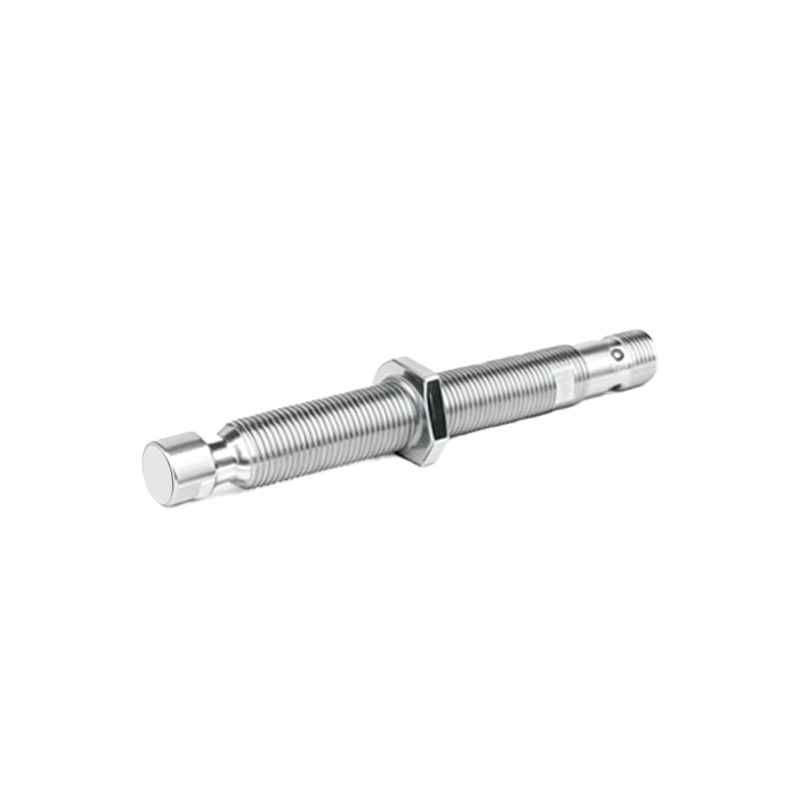
Despite their benefits, selecting the appropriate proximity sensor requires careful consideration of factors like target material, operating range, and environmental conditions. Engineers must evaluate specifications such as response time, output type (e.g., digital or analog), and housing durability to ensure optimal performance. Regular calibration and maintenance are also essential to sustain accuracy over time.
Looking ahead, the evolution of proximity sensors is poised to drive innovation in areas like autonomous systems and smart infrastructure. With ongoing research in miniaturization and energy efficiency, these sensors will continue to play a pivotal role in shaping the future of industrial automation. By understanding their applications and technological progress, professionals can harness their full potential to create safer, more efficient, and intelligent operational environments.