Proximity sensor technology has become a cornerstone of modern industrial automation, enabling machines to detect the presence or absence of objects without physical contact. These sensors, utilizing electromagnetic fields, infrared light, or ultrasonic waves, are critical for applications ranging from automotive assembly lines and packaging machinery to consumer electronics and safety systems. As industries increasingly adopt smart manufacturing and the Internet of Things (IoT), the demand for advanced, reliable proximity sensors continues to grow. This article explores the key innovations driving the sector and highlights leading companies at the forefront of this technology.
The evolution of proximity sensors has been marked by significant advancements in precision, durability, and connectivity. Early models were limited in range and susceptible to environmental interference, but today's sensors offer enhanced sensitivity, longer detection distances, and robust designs capable of withstanding harsh conditions like extreme temperatures, dust, and moisture. Innovations such as miniaturization have allowed for integration into compact devices, while smart sensors with embedded diagnostics and IoT compatibility provide real-time data for predictive maintenance and process optimization. For instance, inductive sensors now feature improved noise immunity, and capacitive sensors can detect non-metallic materials with greater accuracy, expanding their use in diverse industries.
Several companies stand out as industry leaders, each contributing unique expertise to the proximity sensor market. Omron Corporation, a Japanese multinational, is renowned for its extensive portfolio of high-performance sensors, including inductive, capacitive, and photoelectric types. Omron's sensors are praised for their reliability in automotive and factory automation, often incorporating self-diagnostic functions to reduce downtime. Another key player, Pepperl+Fuchs, a German specialist in industrial sensor technology, excels in developing explosion-proof sensors for hazardous environments, such as chemical plants and oil refineries. Their products emphasize safety and longevity, with innovations like modular designs that simplify installation and maintenance.
In the United States, companies like Banner Engineering and Rockwell Automation have made substantial impacts. Banner Engineering is known for its innovative photoelectric and ultrasonic sensors, which are widely used in material handling and packaging due to their versatility and ease of use. Rockwell Automation, through its Allen-Bradley brand, offers integrated sensor solutions that seamlessly connect with broader control systems, supporting Industry 4.0 initiatives. Meanwhile, SICK AG, a German sensor manufacturer, leads in laser-based and ultrasonic proximity sensors, catering to logistics and robotics with high-precision detection capabilities. These companies invest heavily in research and development, focusing on trends like wireless connectivity, energy efficiency, and enhanced data analytics to meet evolving industry needs.
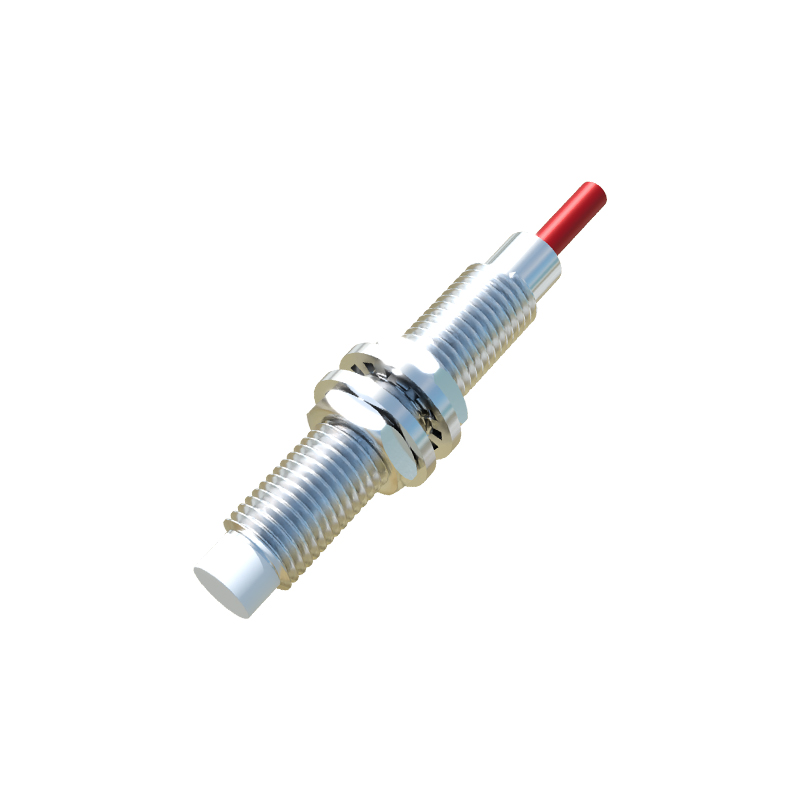
The future of proximity sensor technology is closely tied to emerging trends such as artificial intelligence (AI) and machine learning. By integrating AI algorithms, sensors can learn from operational data to improve detection accuracy and adapt to changing conditions autonomously. Additionally, the rise of collaborative robots (cobots) in manufacturing relies on advanced proximity sensors for safe human-machine interaction, requiring sensors that can detect subtle movements and respond instantly. Environmental sustainability is also driving innovation, with companies developing energy-efficient sensors that reduce power consumption in large-scale installations. As global industries push toward greater automation and digitalization, proximity sensor technology companies will continue to play a vital role in shaping efficient, safe, and intelligent systems.
In conclusion, proximity sensor technology is a dynamic field fueled by continuous innovation and the expertise of leading companies worldwide. From enhancing industrial safety to enabling smart factories, these sensors are indispensable in today's automated landscape. By staying at the cutting edge of research and adapting to market demands, companies like Omron, Pepperl+Fuchs, Banner Engineering, Rockwell Automation, and SICK AG are setting the standard for reliability and performance. As technology advances, we can expect even more sophisticated sensors that further blur the lines between the physical and digital worlds, driving progress across countless applications.
