Flat capacitive proximity sensors represent a significant advancement in non-contact detection technology, widely utilized across automation, manufacturing, and consumer electronics. Unlike traditional mechanical switches or larger cylindrical sensors, these low-profile devices offer precise detection of both metallic and non-metallic objects through capacitive coupling, making them indispensable in modern industrial systems.
The operating principle hinges on capacitance change. The sensor's active surface forms one plate of a capacitor, with the target object acting as the other. An internal oscillator generates an electromagnetic field. When an object enters this field, it alters the dielectric properties, causing a measurable change in capacitance. This change triggers the sensor's output circuit, signaling the presence or absence of the target. Key to their functionality is the ability to detect materials regardless of conductivity—from metals and plastics to liquids, powders, and even biological substances—provided they have a dielectric constant different from air.
Design and construction of flat capacitive sensors prioritize minimal installation depth and robust performance. Typically housed in compact, rectangular enclosures made of PBT or similar engineering plastics, they feature a flush-mounted front face that can be installed without a recess in the mounting surface. This design prevents physical damage and reduces blind zones. The sensing face is often coated with a protective epoxy resin to withstand harsh environments involving dust, moisture, or chemical exposure. Internally, advanced models incorporate compensation electrodes to mitigate effects from background materials or environmental humidity, ensuring stable operation.
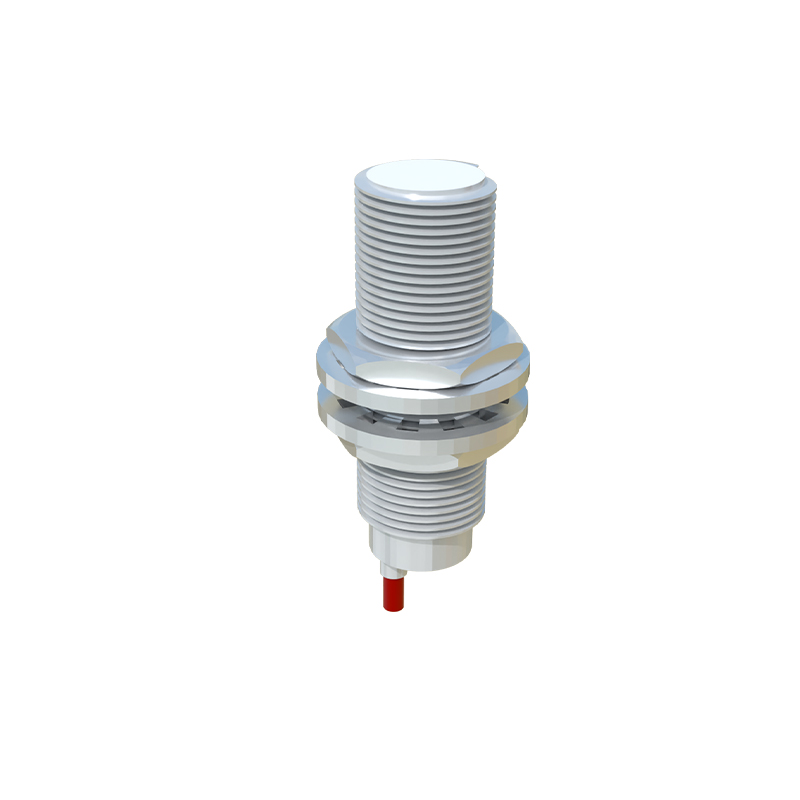
Applications are diverse and critical. In packaging machinery, they detect the presence of cardboard, plastic films, or glass containers on conveyor belts. Automotive assembly lines use them for verifying component placement, such as gaskets or rubber seals. In liquid level control, they monitor fill levels through tank walls made of glass or plastic without direct contact. Consumer electronics employ miniature versions for touch interfaces or cover detection. A notable advantage is their insensitivity to color, transparency, or surface finish, solving challenges where optical sensors fail.
When selecting a flat capacitive sensor, engineers must consider several parameters. Sensing range, typically from a few millimeters up to 25mm, must match the application's distance requirements. The sensor's nominal sensing distance (Sn) is specified for a standard metal target; for non-metals, an adjustment factor based on the material's dielectric constant is applied. Output types include analog (current or voltage proportional to distance) for continuous monitoring, or discrete (PNP/NPN) for simple presence detection. Environmental ratings like IP67 or IP69K are crucial for washdown or outdoor use. Temperature stability, response frequency, and housing material also influence suitability.
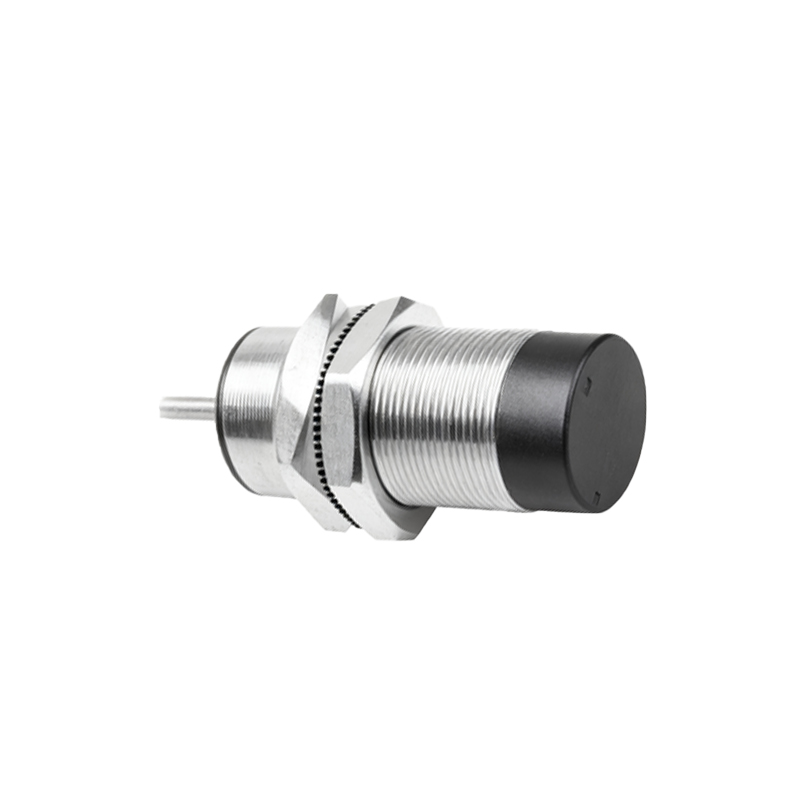
Installation and tuning require attention. Mounting must avoid conductive or grounded backgrounds that could cause false triggering; non-metallic brackets are preferred. Potentiometers or teach-in buttons allow adjustment of sensitivity to ignore interfering substances. Regular maintenance involves cleaning the sensing face from contaminant buildup, which can affect performance.
Compared to inductive or ultrasonic sensors, flat capacitive variants excel in material versatility but may have shorter ranges and higher sensitivity to environmental changes. Future trends point toward miniaturization, integration with IO-Link for digital communication, and enhanced EMI immunity. As Industry 4.0 evolves, these sensors will play a pivotal role in smart, adaptive manufacturing systems, providing reliable data for process optimization.
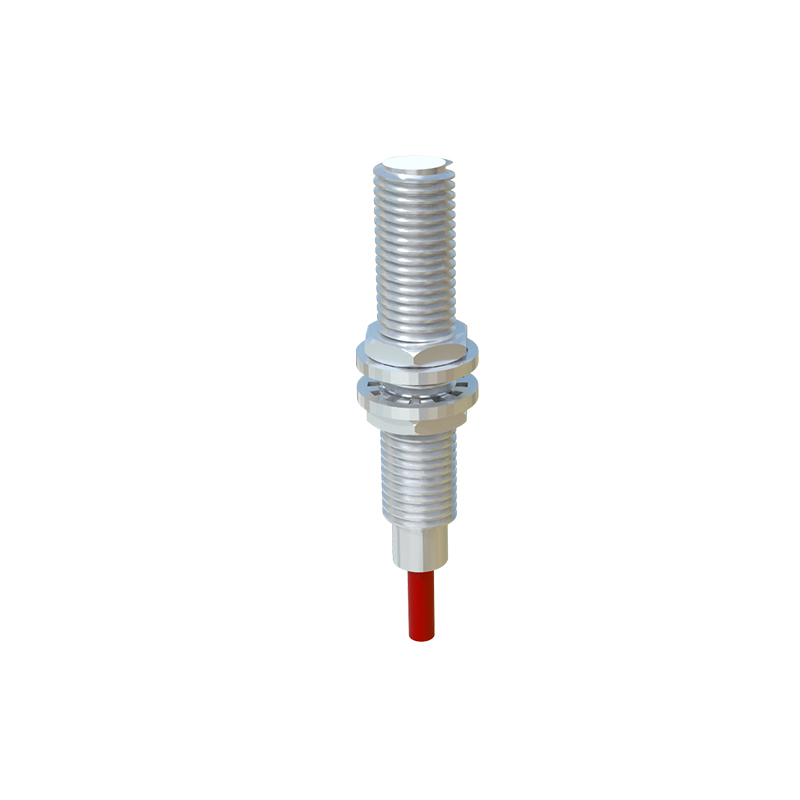
In summary, flat capacitive proximity sensors offer a unique blend of versatility, durability, and compact design. Their ability to interact with a broad spectrum of materials ensures they remain a cornerstone of automated detection, driving efficiency and innovation across industries. Proper selection, installation, and understanding of their operational limits are key to leveraging their full potential in complex applications.