In the realm of industrial automation and control systems, proximity sensors stand as fundamental components, enabling non-contact detection of objects with precision and reliability. As an electrical engineer with extensive field experience, I aim to elucidate the core principles, various types, practical applications, and critical selection factors for these indispensable devices. Unlike limit switches that require physical contact, proximity sensors detect the presence or absence of an object within a specified range without any mechanical interaction, thereby reducing wear and tear and enhancing system longevity.
The operational principle of most proximity sensors is based on generating an electromagnetic field or a beam of radiation. When a target object enters this field, it causes a change in the field's state—such as eddy currents in inductive sensors or capacitance changes in capacitive sensors. This alteration is then converted by the sensor's internal circuitry into a clean, usable electrical output signal, typically a solid-state ON/OFF switch. This output is crucial for interfacing with Programmable Logic Controllers (PLCs), motor starters, or other control units.
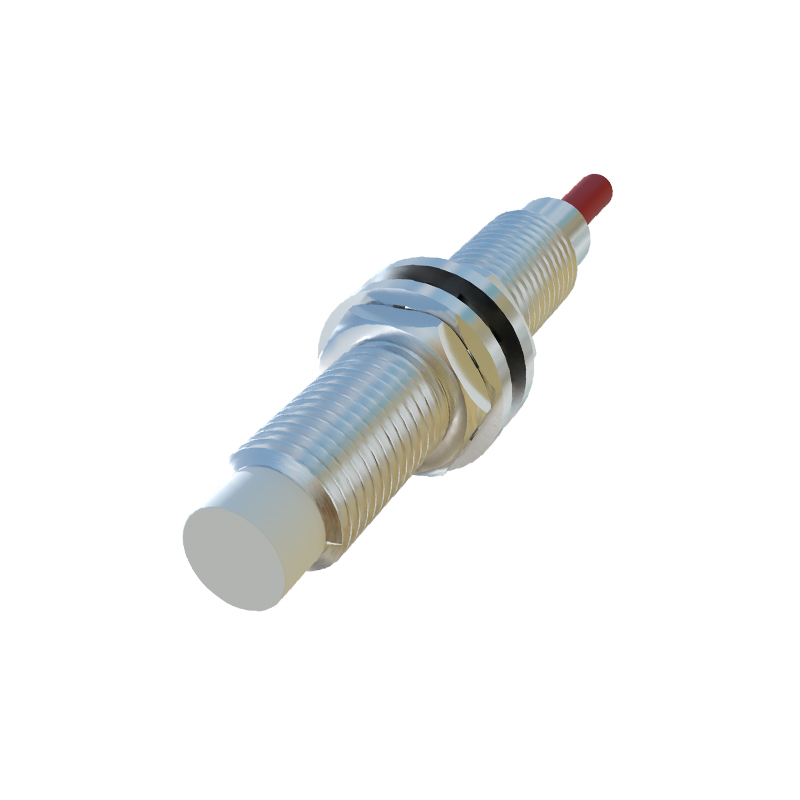
Several primary types of proximity sensors dominate industrial applications, each suited to specific material detection. Inductive proximity sensors are the workhorses for detecting metallic objects, primarily ferrous metals like steel and iron. They generate an oscillating electromagnetic field. When a metal target enters this field, it induces eddy currents, dampening the oscillation and triggering the sensor's output. Their robustness, high switching frequency, and immunity to environmental factors like dust or oil make them ideal for machine automation, position sensing, and part counting in metalworking.
Capacitive proximity sensors, on the other hand, can detect both metallic and non-metallic materials, including liquids, plastics, wood, and granules. They function by measuring changes in capacitance between the sensor's active face and the ground. The presence of any material with a different dielectric constant than air alters this capacitance, triggering detection. This versatility makes them perfect for level detection in silos or tanks, material handling of non-metals, and detecting filled containers on a conveyor line.
Ultrasonic proximity sensors employ sound waves beyond the human hearing range. They emit high-frequency acoustic pulses and measure the time taken for the echo to return from a target. This time-of-flight principle allows them to detect objects of virtually any material, shape, or color, and they can also measure distance. Applications include precise distance measurement, transparent object detection (like glass bottles), and level sensing in challenging environments with vapor or dust.
Photoelectric sensors, while sometimes categorized separately, function as proximity devices using light beams. They consist of an emitter (usually an LED) and a receiver. The presence of an object is detected by either interrupting the beam (through-beam), reflecting it back to a receiver housed in the same unit (retro-reflective), or diffusing the light (diffuse reflective). They offer very long sensing ranges and are excellent for detecting small objects, transparent materials, or for use in clean environments.
Selecting the appropriate proximity sensor requires a meticulous analysis of the application parameters. Key factors include: the material composition of the target object (metal, plastic, liquid); the required sensing distance or range, noting that the rated operating distance is typically 70-80% of the nominal sensing distance for reliability; the environmental conditions (temperature, humidity, presence of chemicals, washdown requirements); the output configuration needed (NPN sinking, PNP sourcing, analog, or IO-Link for smart sensors); the supply voltage (commonly 10-30V DC or 20-250V AC); and the required switching frequency for high-speed applications.
Installation and wiring are equally critical. Engineers must ensure proper mounting, considering factors like flush or non-flush mounting for inductive sensors, which affects the sensing range. Adequate clearance from other metal objects (the "mounting zone") is necessary to prevent false triggering. Shielding and proper cable routing are essential in electrically noisy environments to ensure signal integrity.
In conclusion, proximity sensors are the silent sentinels of modern automation. A deep understanding of their operating principles, types, and application nuances is paramount for designing robust, efficient, and reliable control systems. The correct selection and implementation directly impact machine uptime, product quality, and overall operational safety. As technology advances, we see the integration of more intelligent features like diagnostic capabilities via IO-Link, further solidifying their role in the evolving landscape of Industry 4.0 and smart manufacturing.