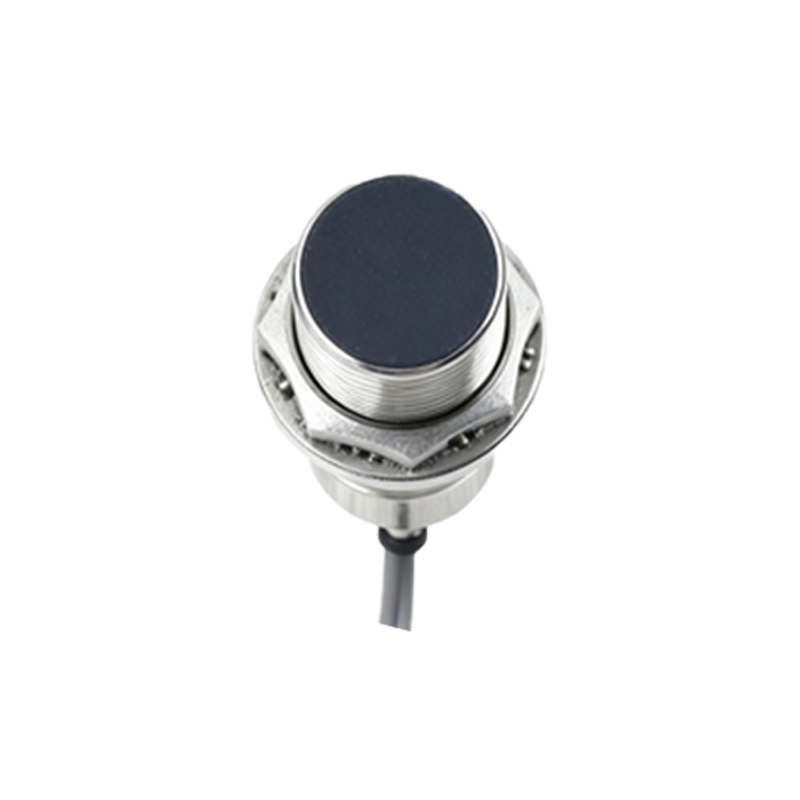
In the world of industrial automation, proximity sensors play a critical role in ensuring efficiency, safety, and precision. These non-contact devices detect the presence or absence of objects within a specified range, making them indispensable for applications like object counting, position verification, and machine safety. With various technologies available, selecting the right sensor can significantly impact system performance. This article provides expert recommendations on proximity sensors, focusing on key types, features, and top models suited for diverse industrial environments.
Inductive proximity sensors are ideal for detecting metallic objects. They generate an electromagnetic field and react to changes caused by ferrous or non-ferrous metals. For general-purpose applications, the Omron E2E-X series offers reliable performance with sensing distances up to 15 mm. These sensors are known for their durability in harsh conditions, featuring IP67-rated housings that resist dust, oil, and water. In high-precision tasks, such as robotic assembly, the Sick IME series provides exceptional accuracy with resolutions down to micrometers, ensuring minimal error in positioning.
For non-metallic object detection, capacitive proximity sensors are the go-to choice. They can sense materials like plastics, glass, and liquids by measuring changes in capacitance. The Pepperl+Fuchs C series stands out for its versatility, with adjustable sensitivity to handle varying material densities. In packaging industries, where detecting filled containers is crucial, these sensors prevent jams and optimize throughput. Another notable model is the Balluff BCS series, which offers compact designs for space-constrained installations, along with temperature stability from -25°C to 70°C.
Magnetic proximity sensors, or reed switches, are specialized for detecting permanent magnets. They are commonly used in safety systems, such as door position monitoring in machinery guards. The Honeywell SR series provides robust performance with long operational life, exceeding 10 million cycles. For automotive manufacturing, where reliability is paramount, these sensors ensure precise detection of moving parts without physical contact, reducing wear and maintenance costs.
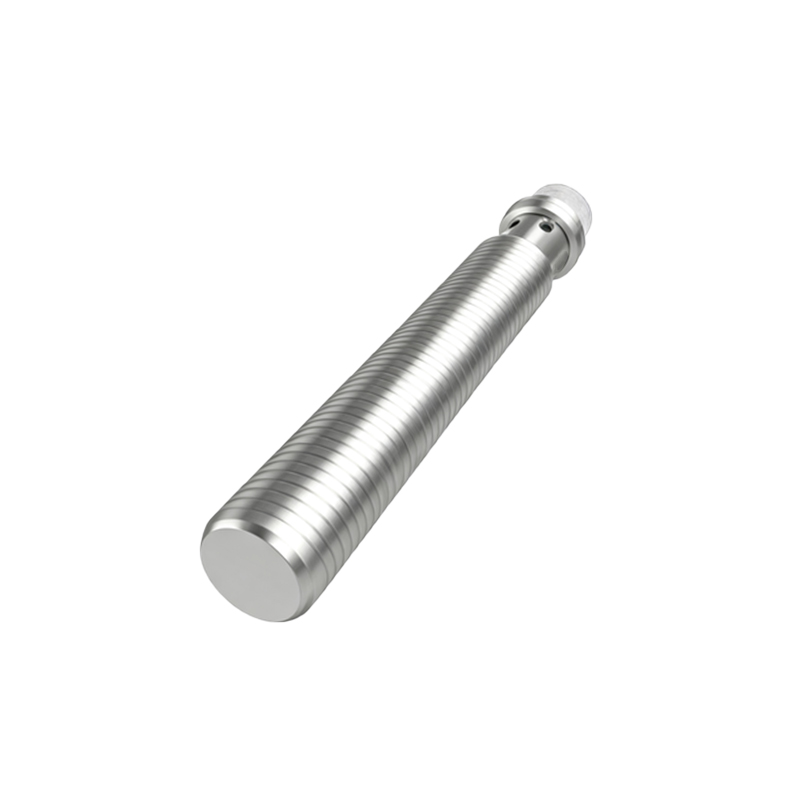
Ultrasonic proximity sensors use sound waves to detect objects, regardless of material composition. They excel in challenging environments with dust, smoke, or varying light conditions. The Siemens SIMATIC ultrasonic sensors offer ranges up to 6 meters, making them suitable for bulk material level monitoring in silos or tanks. Their analog outputs allow for continuous distance measurement, enhancing process control in industries like agriculture or wastewater management.
When selecting a proximity sensor, consider factors like sensing distance, environmental resistance, and output type. For instance, in food processing, stainless steel housings and washdown capabilities (e.g., IP69K rating) are essential to withstand frequent cleaning. Models like the ifm efector series meet these demands with hygienic designs. Additionally, IO-Link communication-enabled sensors, such as the Turck Q series, facilitate smart factory integration by providing diagnostic data and remote configuration, aligning with Industry 4.0 trends.
In summary, the best proximity sensor depends on specific application needs. Inductive sensors suit metal detection, capacitive sensors handle diverse materials, magnetic sensors offer reliability in safety roles, and ultrasonic sensors adapt to complex settings. By choosing reputable brands like Omron, Sick, or Pepperl+Fuchs, engineers can enhance automation systems with sensors that deliver accuracy, durability, and seamless integration. Always verify technical specifications and consult manufacturer guidelines to ensure optimal performance in your operational context.